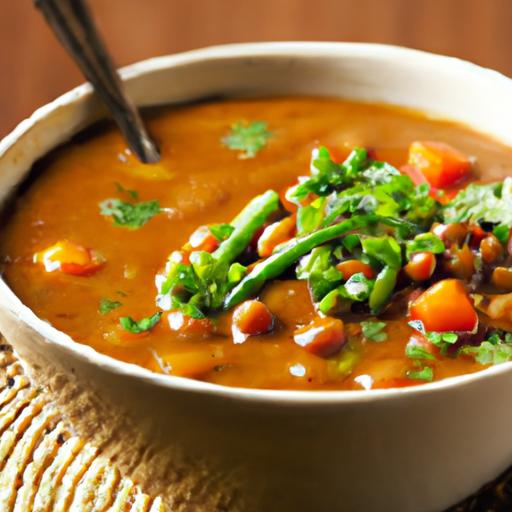

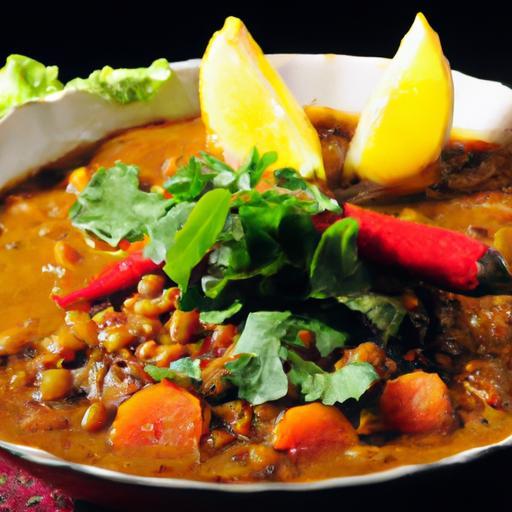
In the vibrant tapestry of South Indian cuisine, few dishes capture the heart and soul of the region quite like sambar. This aromatic, spicy lentil stew is more than just a meal-it’s a cultural emblem, simmering with flavors that tell stories of tradition, locality, and love. From bustling city eateries to humble village kitchens, sambar weaves its way into daily life, offering comfort and zest in equal measure. Join us as we uncover the secrets behind this beloved dish-exploring its rich history, the delicate balance of spices, and the regional variations that make every spoonful a unique party of South India’s culinary heritage.
Sambar Secrets: Exploring South India’s Spicy Lentil Delight
Sambar Secrets unlock the soulful essence of South Indian cuisine, bringing together a symphony of spices, lentils, and fresh vegetables infused with tradition and warmth. This iconic dish, cherished in households and temples alike, carries a rich history that transcends generations. From the bustling streets of Chennai to the serene homes across Tamil Nadu and Karnataka, sambar serves not just as a meal but as a cultural emblem reminding us of togetherness and heritage.
Prep and Cook Time
- Planning: 15 minutes
- Cooking: 40 minutes
- Total Time: 55 minutes
Yield
Serves 4 generous bowls
Difficulty Level
Medium: Requires attention to spice blending and cooking lentils just right.
Ingredients
- 1 cup toor dal (pigeon peas/lentils), rinsed and soaked for 30 minutes
- 2 cups mixed vegetables (drumsticks, carrots, ladyfinger, pumpkin), chopped into 1-inch pieces
- 2 medium-sized tamarind balls or 3 tablespoons tamarind paste, soaked in warm water
- 2 tbsp sambar powder (preferably fresh roasted – see spice blend section)
- 1/2 tsp turmeric powder
- 2 dried red chilies
- 1 tsp mustard seeds
- 1/2 tsp fenugreek seeds
- 2 tbsp cooking oil (preferably sesame or coconut oil for authenticity)
- 1 sprig curry leaves
- 1 tsp asafoetida (hing)
- Salt to taste
- Chopped fresh coriander for garnish
- 1-2 green chilies (optional), slit
Mastering the Art of Perfect Spice Blends for Authentic Sambar
Central to the magic is the homemade sambar powder, boasting toasted coriander seeds, dry red chilies, fenugreek, mustard seeds, and chana dal, all ground to fine perfection. Toasting the spices just before grinding elevates the aroma and flavor, imparting that unmistakable warmth and depth to your sambar. A pinch of asafoetida and the aromatic punch of curry leaves further layer the profile.
Instructions
- Cook the lentils: Drain the soaked toor dal and pressure cook with 3 cups of water, turmeric powder, and a little salt until soft and mushy (about 3-4 whistles). Mash the lentils gently and set aside.
- Prepare tamarind extract: Soak tamarind balls in warm water for 15 minutes and extract juice by squeezing and straining, discard pulp. If using tamarind paste, dissolve in 1 cup warm water.
- Cook vegetables: In a deep pan, add chopped vegetables with tamarind extract, salt, and 1 cup water. Bring to boil and simmer until vegetables are tender but firm.
- Add lentils and spices: Mix the cooked dal into the vegetables. Stir in sambar powder and simmer for another 10 minutes to let the flavors meld. Adjust salt and thickness by adding water as needed.
- tempering: Heat oil in a small pan, add mustard seeds, fenugreek seeds, dried red chilies, curry leaves, and asafoetida.Once the mustard seeds pop, pour this tempering over the sambar, cover promptly to trap aroma.
- Final stir and garnish: Give the sambar a gentle stir before serving. Garnish liberally with fresh chopped coriander and green chilies if you prefer heat.
Choosing the right Lentils and Vegetables for a Flavorful Sambar
Toor dal is the heart and soul of sambar, offering a creamy texture and nutty taste. For an extra layer of flavor, some chefs blend in small amounts of moong dal or masoor dal. Vegetables like drumsticks add sweetness and texture, while pumpkin and carrots provide natural earthiness and color contrast. Experiment with seasonal vegetables like brinjal (eggplant), tomatoes, or even raw mango for tanginess.
Tips and Tricks to Elevate Your sambar Experience at Home
- Fresh tempering: Always add tempering last for the freshest aroma and slight crunch that transforms sambar.
- Consistent texture: Avoid overcooking vegetables to prevent mushiness; they should retain a bite.
- Balanced tang: Tamarind varies in sourness-adjust quantity to your palate.
- Sambar powder storage: Roast and grind your own powder for authentic flavor, or store commercial powder in an airtight container away from sunlight.
- Make ahead: Sambar thickens on standing and tastes even better the next day; reheat gently adding water to adjust consistency.
Serving suggestions
This spicy lentil delight pairs beautifully with fluffy idlis, hot steamed rice, or crispy dosas. Enhance your meal with a dollop of ghee on top and sprinkle freshly grated coconut or curry leaves for visual appeal and flavor lift. Sambar is often served alongside coconut chutney and a twist of pickles for a complete sensory experience.

| Nutrient | Per Serving |
|---|---|
| Calories | 180 kcal |
| Protein | 10 g |
| Carbohydrates | 25 g |
| fat | 5 g |
For deeper insight into south Indian spice traditions, visit the Fine Dining Lovers guide to south Indian spices. Unlocking these sambar secrets not only honors heritage but also elevates your culinary skills.
Q&A
Q&A: Sambar Secrets – Exploring South India’s spicy Lentil Delight
Q1: What exactly is sambar, and why is it so beloved in South Indian cuisine?
A: Sambar is a hearty, tangy stew made primarily from lentils, tamarind, and a vibrant blend of spices. Beyond just a dish, it’s a culinary cornerstone in South India-comfort food that graces breakfast tables, festive feasts, and everyday meals. Its magic lies in the harmonious balance of sour, spicy, and savory notes that dance on your palate, making it both nourishing and soul-satisfying.
Q2: What makes sambar different from other lentil soups or stews?
A: unlike many lentil dishes, sambar is a symphony of fresh, seasonal vegetables, tamarind pulp for that signature tang, and a fragrant tempering of mustard seeds, curry leaves, and asafoetida. The spice mix, often called sambar powder, is a unique roast of coriander, fenugreek, dried red chilies, and other seeds that sets it apart with its smoky, earthy depth.
Q3: Can you explain the role of tamarind in sambar?
A: tamarind is the heart and soul of sambar’s characteristic tang. It imparts a shining, sour zing that perfectly offsets the earthiness of lentils and the heat from spices. This pulpy fruit is soaked and strained to extract just the right amount of tartness, making sambar both refreshing and robust.Q4: How do the vegetables influence the flavor and texture of sambar?
A: Vegetables in sambar are like players in an orchestra-each adding its unique tone. Drumsticks bring a subtle sweetness, eggplants soak up flavors like sponges, carrots offer crunch and color, and okra adds a silky texture. The selection often varies with seasons and regions, lending sambar its versatile and ever-changing personality.
Q5: Is sambar only enjoyed as a soup, or are there other ways to savor it?
A: While sambar is often served as a soupy accompaniment to rice, idlis, or dosas, it’s much more versatile. In some households, it morphs into a flavorful stew thickened just enough to serve as a main dish. Leftover sambar can also be transformed into tangy rice dishes or even a base for spicy snacks.
Q6: What are some tips for making an authentic sambar at home?
A: Start with quality lentils-typically toor dal (split pigeon peas)-cooked to a creamy softness. Fresh tamarind and homemade sambar powder elevate the flavor immensely. Don’t skimp on tempering: oil sizzling with mustard seeds,curry leaves,and fresh red chilies infuses the dish with aromatic finesse. Lastly, a pinch of jaggery can add a surprising layer of subtle sweetness to balance the sour and spicy elements.
Q7: How does sambar reflect the cultural and regional diversity of South India?
A: Each South Indian state-from Tamil Nadu to Kerala, Karnataka to Andhra Pradesh-has its own spin on sambar, tweaking spices, vegetables, and consistency to local tastes. This adaptability mirrors the region’s agricultural bounty and culinary heritage, making sambar not just a dish, but a story of community and tradition simmered in a pot.
Q8: Why has sambar gained popularity outside of South India and India in general?
A: Beyond its irresistible flavor, sambar’s wholesome ingredients and warming nature make it a perfect global ambassador for indian food. It caters well to vegetarian and vegan diets and resonates with food lovers seeking authentic, spicy, and satisfying meals that nourish both body and soul.
Q9: Can sambar be adapted for different dietary preferences or restrictions?
A: Absolutely! Sambar is naturally gluten-free and vegan. You can adjust the spice level to taste, swap out vegetables for whatever’s fresh or preferred, and even experiment with lentil varieties. It’s a customizable canvas that welcomes creativity without losing its essence.Q10: Where can one experience the best sambar outside South India?
A: Look for conventional south indian restaurants or food festivals in your city-places where sambar is made fresh daily with authentic spices. Cooking it yourself is also rewarding, as it allows you to dive deep into the process and savor the aromas and flavors that tell the tale of South Indian spice mastery.
Key Takeaways
As the aromatic steam of sambar rises from the pot, it carries with it centuries of South Indian heritage-each spice and lentil telling a story of tradition, flavor, and home. whether savored with a crispy dosa, fluffy idli, or a hearty bowl of rice, sambar remains more than just a dish; it is a celebration of vibrant ingredients and culinary artistry. So next time you take a spoonful, remember the secrets simmering within: the delicate balance of tangy tamarind, fiery chilies, and wholesome lentils, all coming together in perfect harmony. Embracing sambar is not just about taste-it’s an invitation to explore the rich tapestry of South India’s spicy lentil delight, one flavorful bite at a time.