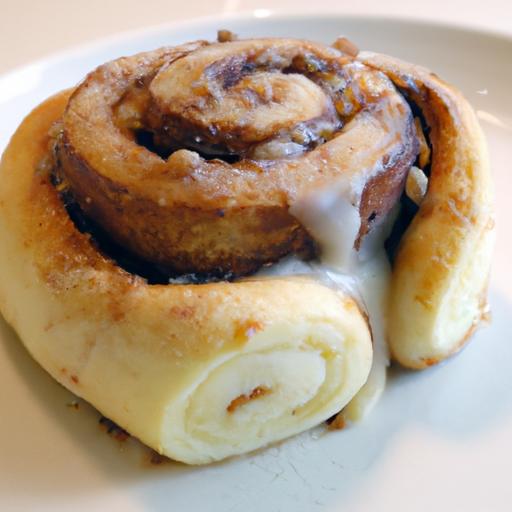

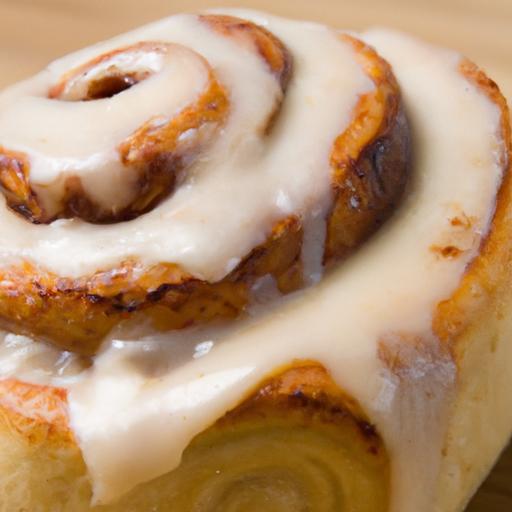
There’s somthing undeniably magical about biting into a warm, fluffy cinnamon roll-the tender layers, the sweet swirl of cinnamon adn sugar, and that irresistible gooey center that melts in your mouth. But behind this beloved treat lies a delicate dance of science and artistry, a “sweet science” where chemistry meets craft. From the precise balance of yeast and flour to the perfect swirl of cinnamon filling, each step in making cinnamon rolls is a carefully orchestrated process that transforms simple ingredients into pillowy perfection. In this article, we’ll unravel the fascinating science behind what makes cinnamon rolls so irresistibly soft, fluffy, and utterly delightful, proving that baking truly is both an art and an exacting science.
The sweet Science Behind Perfectly Fluffy cinnamon Rolls begins with mastering the fundamentals that transform simple dough into a pillowy, tender delight. Understanding how yeast breathes life into the dough, how hydration balances softness, and how kneading and proofing create that irresistible texture is essential. These cornerstones pave the way for cinnamon rolls that are not only fluffy but layered with richness and depth.
Prep and cook Time
- Planning: 25 minutes
- Proofing: 1 hour 45 minutes (divided)
- Baking: 25 minutes
- Total: Approximately 2 hours 35 minutes
Yield
Makes 12 generously sized cinnamon rolls
Difficulty Level
Medium – Requires patience and attention to proofing but beginner-friendly with detailed steps.
Ingredients
- 3 ½ cups all-purpose flour, sifted
- 1 packet (2 ¼ tsp) active dry yeast
- 1 cup whole milk, warmed to 110°F (43°C)
- ¼ cup granulated sugar
- ⅓ cup unsalted butter, softened plus more for greasing
- 1 tsp kosher salt
- 2 large eggs, room temperature
- Filling:
- 1 cup light brown sugar, packed
- 3 tbsp ground cinnamon
- ⅓ cup unsalted butter, melted
- Glaze:
- 1 cup powdered sugar, sifted
- 2 tbsp cream cheese, softened
- 2 tbsp whole milk
- ½ tsp vanilla extract
Instructions
- Activate the yeast: In a small bowl, whisk warmed milk and granulated sugar.Sprinkle the active dry yeast over the top and let sit for 5-10 minutes until foamy. This signals your yeast is alive and ready to create fluffy rolls.
- Create the dough: In a large mixing bowl, combine 3 cups flour and salt. Stir in the yeast mixture, softened butter, and eggs. Mix until a sticky dough forms.
- Knead carefully: Turn dough onto a floured surface. Knead gently for 7-8 minutes, gradually adding remaining flour until smooth and elastic. Avoid over-flouring to preserve hydration that creates tenderness.
- First proof: Lightly grease a large bowl with butter. Place dough inside, cover with a clean kitchen towel or plastic wrap, and let rise in a warm spot for 1 hour or until doubled in size.
- Roll and fill: Punch down dough,rolling it out on a lightly floured surface into a 16×12-inch rectangle. Brush the surface with melted butter, then evenly sprinkle cinnamon sugar filling.
- Shape the rolls: Starting from the long edge, carefully roll dough into a tight log. Slice into 12 equal rolls using a sharp knife or dental floss for clean cuts.
- Second proof: Arrange rolls in a buttered 9×13 inch pan with a bit of room between them. Cover again and let rise 30-45 minutes until puffy but not over-proofed, which can cause deflation.
- Bake to golden perfection: Preheat oven to 350°F (175°C). Bake rolls for 22-25 minutes or until golden brown and cooked through. Avoid overbaking to maintain softness.
- Prepare the glaze: While rolls bake, whisk together powdered sugar, cream cheese, milk, and vanilla until smooth. Spread generously over warm cinnamon rolls immediately after removing them from the oven.
Tips for Success
- Using warm milk is critical for activating yeast but never exceed 115°F (46°C) to avoid killing the yeast.
- Dough hydration controls how tender your rolls become-a too-dry dough leads to dryness; too wet, and it’s unmanageable.Aim for a slightly tacky but soft dough.
- Test proofing by gently pressing your finger into the dough; if the indent springs back slowly, it’s ready.
- If your kitchen is cold, create a warm proofing environment by placing the covered dough near a turned-off oven with the light on.
- For a richer flavour, substitute half the flour for bread flour to improve gluten structure or add 1 tsp of vanilla to the dough.
- make-ahead tip: Refrigerate unbaked, proofed rolls overnight and bake fresh in the morning for a perfect breakfast treat.
Serving Suggestions
Serve warm,straight from the pan,with a dusting of powdered sugar or a drizzle of extra cream cheese glaze. Pair with a hot cup of coffee or a spiced chai latte to complement the cinnamon’s warmth. For a festive twist, sprinkle chopped pecans or raisins on top before baking. Freshly sliced fruit or a dollop of whipped cream adds a luxurious touch for brunch gatherings.

| Nutrient | Amount (per roll) |
|---|---|
| Calories | 320 |
| Protein | 6g |
| Carbohydrates | 48g |
| Fat | 10g |
For more baking secrets, explore our guide on Ultimate Bread Making Techniques to deepen your understanding of yeast and dough artistry. To better grasp yeast’s biological science, visit King Arthur Baking’s yeast guide.
Q&A
Q&A: The Sweet Science Behind Perfectly Fluffy Cinnamon Rolls
Q1: What makes a cinnamon roll perfectly fluffy rather than dense?
A1: The fluffiness of a cinnamon roll boils down to the magic of yeast and gluten. Yeast acts like a tiny alchemist, consuming sugars and releasing carbon dioxide, which forms air pockets in the dough. Meanwhile, gluten – the protein network formed when flour meets water and kneading begins – traps those bubbles, giving the dough structure and stretch. The result? A tender, airy crumb that melts in your mouth.
Q2: How critically important is the dough’s hydration in achieving softness?
A2: Hydration is the unsung hero of soft dough. When the dough has just the right amount of water, gluten strands develop optimally without becoming tough. Moist dough also allows yeast to work more effectively, creating a moist crumb that’s far from dry or crumbly. Think of it as giving your dough a refreshing spa day-hydrated,relaxed,and ready to rise.
Q3: Why do cinnamon rolls need to rise twice?
A3: The two-stage rising process is like a slow dance that perfects texture. The first rise lets the yeast generate gas and the dough grow, developing flavor and structure. After shaping and adding that cinnamon-sugar goodness, the second rise (proofing) relaxes the dough, enabling it to puff up gently in the oven without cracking or becoming dense.This double fermentation crafts layers of buttery fluffiness.
Q4: Can the type of flour affect fluffiness?
A4: Absolutely! Flour choice is like choosing your canvas. Bread flour,rich in protein,develops more gluten,producing a chewy and airy crumb fit for cinnamon rolls. All-purpose flour works too but may yield a slightly less elastic dough. Whole wheat or alternative flours can add flavor and nutrition but often need extra care to maintain fluffiness due to lower gluten content.
Q5: What role dose butter play in the fluffy texture?
A5: Butter is the velvet glove that keeps the crumb tender.Beyond it’s rich flavor, butter coats gluten strands, preventing them from tightening too much during kneading. This “shortening” effect reduces toughness and creates a soft, delicate bite. Plus, as it melts during baking, butter steams inside the dough, helping those layers puff up beautifully.
Q6: How does temperature influence the yeast’s job?
A6: Yeast are living microorganisms with a preferred climate. Too cold, and they nap sluggishly; too hot, and they risk dying. The ideal temperature (around 75-85°F or 24-29°C) wakes them up and gets them feisty, allowing vigorous fermentation that creates fluffy dough. Warmth also helps butter stay pliable and sugar melt into the mixture, feeding the yeast and enriching flavor.
Q7: Is sugar just for sweetness, or does it impact fluffiness too?
A7: Sugar is a secret multitasker. Besides delivering that irresistible sweetness, sugar feeds the yeast, making it more active and promoting rise. but too much can hamper gluten formation, resulting in a denser pastry. The trick is balance-just enough sugar to energize yeast and caramelize crust without weighing down the dough.
Q8: How can I tell when my dough is perfectly proofed?
A8: Think of proofing as the dough’s “puff test.” Gently press your finger into the dough surface; if the indentation springs back slowly and incompletely, it’s ready to bake. If it springs back too fast, it needs more time; if it doesn’t spring back at all, it may be over-proofed. Getting this right ensures your rolls rise just enough to be cloud-light.
Q9: Why are cinnamon rolls often brushed with icing or glaze immediately after baking?
A9: Applying icing while warm lets sweetness seep into every nook of the roll. It also contrasts beautifully with the warm, tender crumb, enhancing the melt-in-your-mouth sensation. Scientifically, the warmth slightly melts the sugar crystals, creating a glossy finish that locks in moisture and adds that irresistible sticky-sweet hug.
Q10: Can I make fluffy cinnamon rolls without yeast?
A10: While yeast reigns supreme for conventional fluffiness, chemical leaveners like baking powder can create quick, tender rolls. however, the chewy, layered texture and complex flavor that yeast imparts is hard to replicate. For that authentic cloud-like puff and deep flavor, waiting patiently for yeast to work its slow, sweet magic is well worth it.
In Summary
As we’ve unraveled the sweet science behind perfectly fluffy cinnamon rolls, it’s clear that every tender bite is a delicate balance of chemistry and craft.From the precise blend of yeast activity to the right moisture content and that airiest dough texture, these factors come together like a symphony of ingredients working in harmony. So, next time you pull a golden, cloud-like cinnamon roll from the oven, remember: behind its irresistibly soft layers lies a world of scientific magic-making each bite not just a treat for your taste buds, but a triumph of culinary art and science combined.