
In the heart of Thailand’s vibrant culinary landscape lies a dish that perfectly embodies the nation’s bold flavors and rich traditions: Tom Yum Soup. This iconic spicy and sour delight is much more then just a bowl of broth; it’s a sensory journey that awakens the palate with its electrifying blend of fresh herbs, fiery chilies, and tangy lime. Whether enjoyed on a bustling Bangkok street corner or in a quiet home kitchen, Tom Yum transcends borders and generations, inviting food lovers worldwide to experience the essence of Thai cuisine in every steaming spoonful. join us as we unravel the story, ingredients, and cultural significance behind Thailand’s beloved Tom Yum Soup.
Tom Yum Soup stands as a quintessential Thai culinary treasure, celebrated worldwide for its harmonious blend of bold, spicy and sour flavors. Rooted deeply in Thailand’s rich gastronomic heritage,this vibrant soup encapsulates the balance of heat,tang,and aromatic freshness that defines Thai cuisine. Its origins trace back centuries-traditionally enjoyed by farmers and fishermen to invigorate the body with energy and restore vitality during long, demanding days under the sun or at sea. Today, tom Yum remains a beloved dish across thailand and beyond, cherished for its comforting yet exhilarating complexity.
Prep and Cook Time
- Preparation: 15 minutes
- Cooking: 20 minutes
- Total time: 35 minutes
Yield
serves 4-6 hearty bowls
Difficulty Level
medium – perfect for home cooks eager to master authentic Thai flavors
Ingredients
- 4 cups chicken or vegetable broth (preferably homemade or low-sodium)
- 8-10 pieces fresh lemongrass stalks, trimmed and smashed
- 5-6 kaffir lime leaves, torn (remove central vein for best release)
- 3-4 slices galangal, about 1/4 inch thick
- 3-4 Thai bird’s eye chilies, smashed (adjust to taste)
- 200 grams (7 oz) fresh shrimp, peeled and deveined (or chicken breast, thinly sliced)
- 200 grams (7 oz) button mushrooms, halved or quartered
- 2 tablespoons fish sauce (nam pla), or more to taste
- 1-2 tablespoons freshly squeezed lime juice*
- 1 teaspoon palm sugar or brown sugar
- 3 cloves garlic, smashed
- Fresh cilantro sprigs for garnish
Instructions
- Prepare the broth: In a medium pot, bring the chicken or vegetable broth to a gentle boil over medium heat. Add the lemongrass stalks, galangal slices, kaffir lime leaves, and garlic cloves. Let them simmer for about 10 minutes to fully infuse their luminous, citrusy aromas.
- Add heat and earthiness: Toss in the bird’s eye chilies whole (to moderate the spice, slice them instead). Let the broth simmer another 5 minutes, stirring occasionally.
- Introduce the mushrooms: Add the button mushrooms and cook for 3-4 minutes until tender but still firm.
- Cook your protein: Add the shrimp or chicken slices. Stir gently and cook until shrimp turn pink and opaque or chicken is fully cooked (about 3-5 minutes).
- Season the soup: Stir in the fish sauce, palm sugar, and freshly squeezed lime juice. Taste the broth and adjust, balancing the heat, sourness, and saltiness to your preference.
- Final simmer and remove herbs: Let the soup simmer for another 2 minutes. Before serving, remove the lemongrass, galangal, and kaffir lime leaves as they are too fibrous to eat.
- Garnish and serve: Ladle the steaming soup into bowls and garnish with fresh cilantro sprigs. Serve hot with steamed jasmine rice on the side.
Tips for Customizing Heat Levels and Adding Unique Regional Twists
Adjusting the spicy and sour flavor hallmark of tom Yum Soup invites endless personalization. Southeast Thailand versions may pack a sharper, fruitier punch by adding makrut lime juice or tamarind. If you prefer milder heat, seed the chilies or use fewer and complement with aromatic herbs like holy basil or coriander roots for depth. For a creamier twist, swirl in coconut milk or evaporated milk, yielding Tom Yum Nam Khon, a soothing yet bold variation beloved in southern provinces. Swapping shrimp for tender chicken or adding straw mushrooms and cherry tomatoes offers heartiness and fresh bursts of flavor. Remember, the balance is key: heat, sour, salty, and sweet should dance harmoniously on your palate.
Chef’s Notes
- For maximum fragrance, use fresh lemongrass and kaffir lime leaves. Dry substitutes lack the vibrant aroma.
- If galangal is unavailable, fresh ginger can be a mild option, but expect a subtle shift in flavor.
- Make ahead: Prepare and store the broth base (herbs simmered in stock) separately in the refrigerator for up to 3 days. Add fresh protein and seasonings just before serving.
- The delicate balance of lime and fish sauce is essential-always add gradually and taste as you go.
- Use a slotted spoon when serving to remove lemongrass and galangal pieces, ensuring a pleasant eating experience.
Serving Suggestions
Serve Tom Yum soup hot in rustic earthenware bowls to help retain its heat longer.Accompany with fragrant jasmine rice or sticky rice to mellow its intensity and absorb the delightful broth. For an elegant presentation, garnish with additional cilantro and thin chili slices for color contrast. A wedge of lime on the side invites guests to brighten the soup further according to personal taste. It pairs beautifully with light Thai salads or grilled seafood for a complete Thai dining experience.

| Nutrient | Per Serving (approx.) |
|---|---|
| Calories | 180 kcal |
| Protein | 22 g |
| Carbohydrates | 8 g |
| Fat | 5 g |
for those passionate about exploring more Thai flavors,check out our Authentic Thai Green Curry recipe. To deepen your understanding of Thai culinary heritage and cultural context, visit Tourism Authority of Thailand – Culture.
Q&A
Q&A: Tom Yum Soup – Thailand’s Iconic Spicy and Sour Delight
Q1: What exactly is Tom Yum Soup?
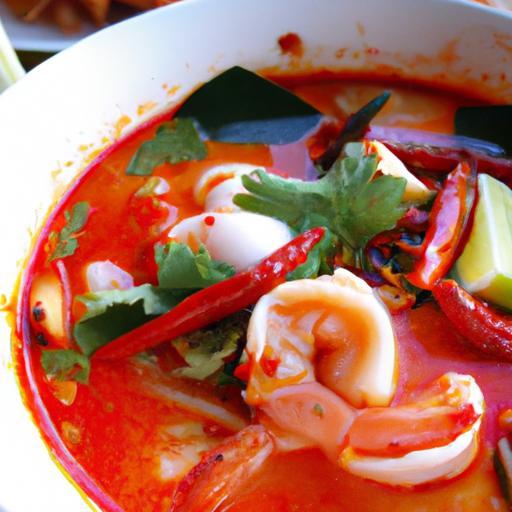
Tom Yum is a conventional Thai soup renowned for its bold, vibrant flavors that masterfully blend spicy, sour, and aromatic notes. Typically, it features fresh ingredients like lemongrass, kaffir lime leaves, galangal, lime juice, fish sauce, and crushed chili peppers, often with succulent shrimp or chicken swimming in the broth.
Q2: Why is Tom Yum considered so iconic in Thailand?
Tom Yum embodies the essence of Thai cuisine-bold yet balanced, complex yet simple. It’s more than just a soup; it’s an experience that captures the country’s culinary identity. Served in street stalls and upscale restaurants alike, Tom Yum is a beloved comfort food and a symbol of Thailand’s rich, flavorful heritage.
Q3: What makes Tom Yum soup different from other soups?
Unlike many soups around the world that favor a clear or creamy base,Tom Yum dazzles with a broth that is unmistakably bright and tangy,often tinged a fiery red from fresh chilies and Thai chili paste (nam prik pao). The soup’s magic lies in its harmony of heat, sourness, and freshness-each spoonful awakens the palate.
Q4: What are the classic ingredients in Tom Yum?
The star ingredients include lemongrass stalks (zesty and citrusy), kaffir lime leaves (fragrant and slightly sweet), galangal (peppery and sharp), fresh lime juice (tart), fish sauce (savory and salty), fresh chilies (fiery), and protein such as shrimp (Tom Yum Goong) or chicken (Tom Yum Gai). Mushrooms are a common addition, and sometimes tomatoes add a subtle sweetness.
Q5: Can Tom Yum soup be made vegetarian or vegan?
Absolutely! By substituting the fish sauce with soy sauce or a vegan fish sauce alternative and using vegetable broth, you can create a vibrant vegetarian or vegan Tom Yum. Tofu or mushrooms can replace the seafood or meat, while the hallmark herbs and spices keep the soup’s authentic punch.
Q6: How is Tom Yum best enjoyed?
Tom Yum is traditionally enjoyed hot and fresh,frequently enough accompanied by steamed jasmine rice to balance its intensity.The soup is perfect as a starter or a main dish, especially when you crave something both comforting and invigorating. Many diners love pairing it with Thai iced tea for a refreshing contrast.
Q7: What’s the secret to making Tom Yum soup truly authentic at home?
Freshness is key-using fresh herbs like lemongrass and kaffir lime leaves makes all the difference. Don’t skip the galangal, which adds a unique earthy brightness.Balance the flavors carefully: you want heat from chilies, sourness from lime juice, saltiness from fish sauce, and a hint of sweetness. Taste and adjust incrementally for that perfect Thai harmony.
Q8: Why has Tom Yum gained international popularity?
Tom Yum’s intense, exciting flavor profile appeals to adventurous food lovers worldwide. Its versatility, ease of preparation, and the global accessibility of ingredients have helped it transcend borders. Food enthusiasts appreciate not just its taste but also the cultural story it tells-a small bowl of Thailand’s soul.
Through Tom Yum, you sip not only a soup but Thailand’s zest for life-fiery, fresh, and unforgettable. whether in Bangkok’s bustling street markets or your own kitchen,this iconic dish invites you to savor a taste of Thai tradition in every spoonful.
Final Thoughts
From the vibrant markets of Bangkok to cozy kitchens across the globe, Tom Yum Soup stands as a flavorful ambassador of Thai cuisine-its harmonious dance of spicy heat and tangy zest a true testament to the country’s culinary artistry. Whether you savor it steaming hot on a rainy day or share it with friends at a lively gathering, this iconic soup invites you to experience a burst of culture in every spoonful. So next time you crave a dish that’s both bold and comforting, let Tom Yum’s unforgettable blend of lemongrass, kaffir lime, and chili transport your taste buds straight to the heart of Thailand.