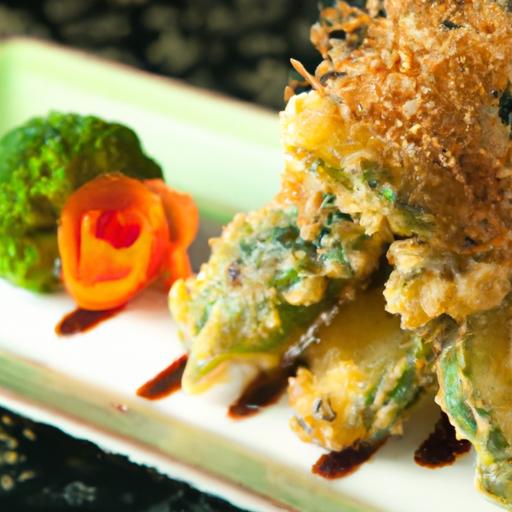

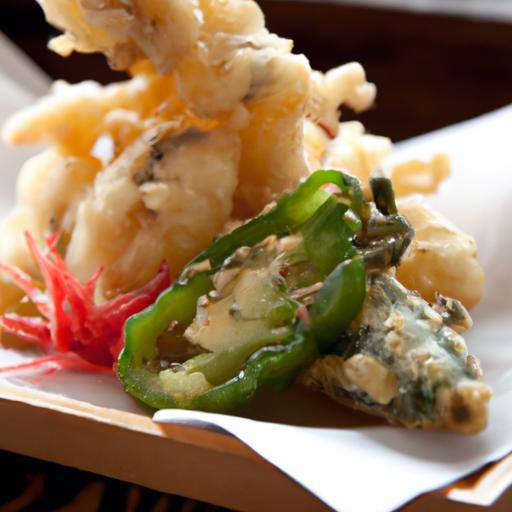
There’s a certain magic in the sizzle and crunch of perfectly fried tempura-an art form where simplicity meets sublime texture. Among the many variations of this beloved Japanese delicacy, vegetable tempura stands out as a vibrant festivity of nature’s freshest harvest, cloaked in a light, golden batter that crackles with every bite. In “Crispy Delight: Exploring the Art of Vegetable Tempura,” we embark on a flavorful journey to uncover the secrets behind this culinary treasure, from selecting the ideal vegetables to mastering the delicate batter and frying techniques that transform humble ingredients into an irresistible symphony of taste and texture. Whether you’re a seasoned cook or a curious food lover, prepare to dive into a world where crispness reigns supreme and vegetables become a crispy delight.
Crispy Delight is a celebration of texture and flavor, where tender vegetables are transformed into golden, airy tempura that crackles with every bite. Rooted in the centuries-old Japanese tradition, tempura combines simplicity with culinary artistry, inviting you to explore the delicate balance between light batter and fresh, vibrant produce. As a longtime devotee of this dish, I’ve come to treasure how the right vegetable choices and technique elevate a humble snack into a show-stopping appetizer or main course.
Prep and Cook Time
- Readiness: 20 minutes
- Cooking: 15-20 minutes
- Total Time: 35-40 minutes
yield
Serves 4 as an appetizer or side dish
Difficulty level
Medium – Requires attention to batter temperature and frying technique
ingredients
- Vegetables: 1 cup sweet potato,peeled and thinly sliced
- 1 cup green beans,trimmed
- 1 cup shiitake mushrooms,stems removed
- 1 cup zucchini,sliced into 1/4-inch rounds
- 1 cup asparagus,trimmed and cut into 3-inch lengths
- Batter: 1 cup all-purpose flour,sifted
- 1 large egg,lightly beaten
- 1 cup ice-cold sparkling water
- 1 tablespoon cornstarch (optional,for extra crispness)
- Oil: 4 cups vegetable or canola oil,for deep frying
- Dipping Sauce: 1/2 cup dashi stock (store-bought or homemade)
- 2 tablespoons soy sauce
- 1 tablespoon mirin
- Grated daikon radish and finely sliced scallions,for garnish
Instructions
- Select and prepare your vegetables. Choose fresh,firm vegetables for the best texture. Slice sweet potatoes and zucchini thinly, about 1/8-inch, to ensure speedy, even frying. Blanch green beans and asparagus briefly in boiling water for 1 minute, than shock in ice water to keep vibrant and crisp.
- Prepare the batter. Keep your sparkling water ice cold; this is essential to prevent gluten formation for a light, crispy batter.In a chilled bowl, gently mix the beaten egg with the sparkling water. Fold in sifted flour and cornstarch lightly – the batter should remain lumpy and slightly runny. Avoid over-mixing to retain air pockets.
- Heat the oil. Pour vegetable oil into a deep,heavy-bottomed pot or deep fryer and heat to 340°F (170°C). Use a thermometer for accuracy as temperature control is key. Too hot, and tempura burns; too cool, and it becomes greasy.
- Coat and fry the vegetables. Lightly dust vegetables with flour before dipping into the batter-this helps the batter adhere better. Carefully lower a few pieces at a time into the hot oil, frying without overcrowding. Fry in batches for 2-3 minutes or until the tempura turns a delicate golden hue and floats to the surface.
- Drain and rest. Remove tempura with a slotted spoon and place on a wire rack or paper towels to drain excess oil. Maintain oil temperature between batches.
- Prepare the dipping sauce. Warm the dashi stock gently in a small saucepan. Stir in soy sauce and mirin, and remove from heat. Serve warm alongside garnishes.
Tips for Success
- keep it cold: Chill the batter bowl and use sparkling water right from the fridge or with ice cubes to maintain batter temperature-this ensures a crisp finish.
- Work fast: Once mixed, batter loses its fizz quickly. Fry promptly to avoid heavy, flat texture.
- Don’t overcrowd: Frying too many pieces at once will cause temperature drops and soggy tempura.
- Use neutral oil: A light vegetable or canola oil prevents interfering with delicate flavors.
- Make-ahead: Fry batter-coated vegetables lightly (just 1 minute), freeze on parchment paper, then finish frying straight from the freezer for a convenient crisp snack.
Serving Suggestions
tempura is best enjoyed hot and fresh. Serve on a crisp white platter lined with parchment paper for elegant presentation. Garnish with finely sliced scallions and a mound of grated daikon radish, which adds a refreshing contrast.Accompany with a small bowl of the warm dipping sauce. For an elevated experience, offer a sprinkle of matcha salt or a dusting of shichimi togarashi for subtle heat and depth.
Pair this vegetable tempura with steaming bowls of sushi rice or a light seaweed salad for a balanced and visually stunning meal.For further inspiration, explore our comprehensive guide to Japanese dishes to complement your feast.
| Nutrition per serving | Calories | Protein | Carbs | Fat |
|---|---|---|---|---|
| Vegetable Tempura | 280 kcal | 5 g | 35 g | 12 g |
For a deep dive into the science behind tempura batter and frying techniques, visit Serious Eats’ thorough explanation-a trusted resource for culinary perfectionists.

Q&A
Q&A: Crispy Delight – exploring the Art of Vegetable Tempura
Q1: What exactly is vegetable tempura?
A: Vegetable tempura is a classic Japanese dish featuring fresh vegetables coated in a light, airy batter and fried to crispy perfection. Unlike heavy fried foods,tempura boasts a delicate crunch and vibrant flavors that let the natural sweetness and textures of the vegetables shine.
Q2: What makes tempura batter so special compared to other batters?
A: The magic lies in simplicity and technique. Tempura batter typically uses cold water, wheat flour, and sometiems a raw egg, mixed minimally to avoid developing gluten-this prevents toughness. The batter is kept icy cold, which creates steam during frying, puffing the batter into a crisp, ethereal shell that’s light and non-greasy.
Q3: Which vegetables work best for tempura?
A: The options are colorful and varied! Classic choices include sweet potatoes, eggplant, green beans, shiitake mushrooms, bell peppers, and asparagus. The key is picking vegetables with contrasting textures-something starchy, something leafy or crunchy-to create a playful bite every time.
Q4: How do you achieve that perfect crispy texture without sogginess?
A: Temperature control is crucial.The oil should be hot enough (around 340-360°F or 170-180°C) to immediately seal the batter and prevent oil absorption.Also, frying in small batches ensures the oil temperature stays steady. Draining tempura on a wire rack rather than on paper towels maintains crispness by avoiding steam buildup.
Q5: Can tempura be made ahead of time?
A: Tempura is best enjoyed fresh, straight from the fryer, as its signature crispiness fades quickly. Though, slight reheating in a hot oven or toaster oven can revive some crunch, even though it won’t fully replicate the freshness of just-fried tempura.
Q6: What sauces or accompaniments traditionally enhance vegetable tempura?
A: Tempura is often paired with tentsuyu, a light dipping sauce made from dashi broth, soy sauce, and mirin. Grated daikon radish is commonly added for a refreshing bite. Sometimes, a subtle sprinkle of sea salt or a squeeze of lemon can elevate the flavors without overpowering the delicate batter and vegetables.
Q7: How can home cooks incorporate tempura into their cooking repertoire?
A: Embrace the playful spirit of tempura by experimenting with seasonal vegetables and even fruits. Keep ingredients simple and fresh, follow the batter tips, and focus on temperature control. Tempura is a fun gateway into japanese cuisine, inviting creativity while honoring tradition-a true crispy delight!
Future Outlook
In the delicate dance of batter and bounty, vegetable tempura emerges not just as a dish, but as a crispy celebration of nature’s harvest. Each golden, airy bite reveals the mastery behind a tradition that honors simplicity and precision. As we’ve explored the art of crafting the perfect tempura-from selecting fresh vegetables to mastering the lightest batter and ideal frying technique-it’s clear that this iconic Japanese creation transcends mere cooking.It invites us to appreciate texture, timing, and taste in harmonious balance. Whether you’re a seasoned chef or an adventurous home cook, embracing the art of vegetable tempura promises a crunchy, flavorful journey that delights the senses and elevates everyday vegetables into an exquisite culinary experience. so grab your wok, gather your favorite veggies, and let the sizzling symphony begin.