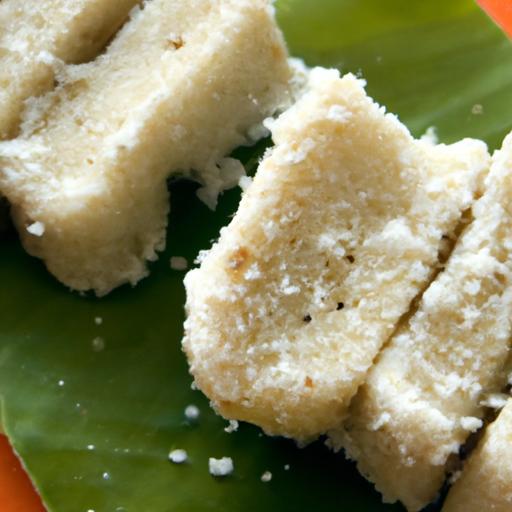

Nestled along the lush backwaters and spice-scented air of Kerala lies a culinary treasure that has delighted generations-Puttu. This humble steamed rice cake, often layered with coconut, is much more than a breakfast staple; it is a symbol of tradition, community, and the rhythmic whispers of Kerala’s kitchens. “Puttu Unwrapped: Exploring Kerala’s Steamed Delight Tradition” invites you on a sensory journey into the heart of this iconic dish, uncovering its origins, techniques, and the cultural stories that steam and swirl within every bite. Join us as we unravel the art of puttu, celebrating how a simple blend of rice and coconut has become a beloved emblem of Kerala’s rich gastronomic heritage.
Puttu, a beloved Kerala specialty, captures the essence of coastal South Indian breakfast culture with its simplicity and authenticity.Rooted deeply in tradition, this steamed rice cake pairs lovingly with coconut and spices, forming a textured delight that is both comforting and versatile. Mastering the art of puttu readiness not only unlocks centuries of culinary heritage but also invites you to explore Kerala’s vibrant regional variations and the enticing array of traditional pairings that elevate this humble dish into a feast of flavors. whether you’re crafting puttu for the first time or refining your technique, this guide will empower you to create the perfect steamed delight, infused with the soul of Kerala.
Prep and Cook Time
- Preparation: 10 minutes
- Cooking: 10-12 minutes
- Total Time: 22 minutes
Yield
Serves 4
Difficulty Level
Easy – Intermediate (requires some attention to moisture control)
Ingredients
- 2 cups roasted rice flour (ideally red rice flour for authentic flavor)
- 1 cup freshly grated coconut
- 1 to 1 ½ cups warm water
- ½ tsp salt (adjust to taste)
- 1 tbsp grated palm sugar or jaggery (optional, for a sweet version)
- 1 tsp roasted cumin powder (optional, for a subtle aroma)
Instructions
- Prepare the rice flour mixture: In a large mixing bowl, combine the roasted rice flour and salt. gradually sprinkle warm water, adding a few tablespoons at a time, and mix with your fingers until the mixture resembles moist breadcrumbs. the texture should hold together when pressed gently but crumble easily. Avoid over-wetting, as moisture control is vital to authentic puttu.
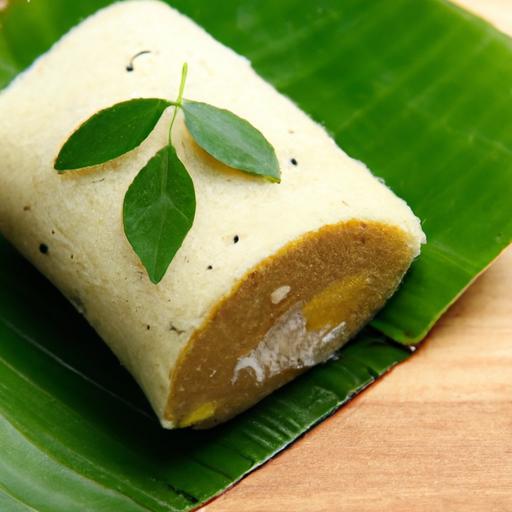
- Layering the puttu: Start by layering about 2 tablespoons of grated coconut at the bottom of the puttu maker (cylindrical steamer). Add a ½-inch layer of the moistened rice flour above the coconut, then alternate layers of grated coconut and rice flour, finishing with a coconut layer on top. For sweet variations, sprinkle palm sugar or jaggery between layers to infuse a delicate sweetness.
- Steaming: Attach the puttu maker securely to a pot of boiling water. Steam for 10 to 12 minutes; you’ll see steam escaping from the top indicating it’s cooking well. When done, the puttu will have a soft, crumbly texture with the distinct layers of coconut enhanced by the steam’s gentle heat.
- Unmolding: Carefully slide out the steamed puttu onto a plate. If it resists, gently tap the side of the puttu maker, or use a skewer to loosen the edges without breaking the shape.
- Final flavor lift: Sprinkle a pinch of roasted cumin powder over the puttu for a fragrant touch, or drizzle a little freshly melted ghee for richness before serving.
Chef’s Notes and Tips for Success
- Choosing rice flour: Freshly roasted rice flour is key; if unavailable, dry roast store-bought rice flour lightly on medium heat until aromatic, then cool before use.
- Moisture balance: Too much water makes puttu sticky and gummy; too little results in dry and crumbly outcomes. Aim for a texture like damp sand, easily pressed but falling apart.
- Choice grains: Try mixing in millets or wheat flour for different textures and nutritional boosts while retaining traditional methods.
- Equipment alternatives: If a traditional puttu maker isn’t available,use a steaming basket lined with muslin cloth or idli molds-simply replicate the layering and steaming process.
- Make-ahead: Prepare rice flour mixture in advance and store in an airtight container, ready to be moistened and steamed for fast breakfasts.
- Consistency check: Before steaming each batch,pinch a small portion and press; it should hold shape without oozing water.
Serving Suggestions
Traditional pairings highlight the versatility of puttu, harmonizing with both savory and sweet accompaniments to create a multilayered flavor experience:
- Savory sides: Crisp Kerala-style chicken curry, spicy kadala (black chickpea) curry, or coconut chutney with green chilies offer a hearty and aromatic balance.
- Sweet combinations: Slices of ripe bananas drizzled with jaggery syrup, a dollop of golden ghee, or a sprinkle of grated coconut and cardamom powder amplify puttu’s natural mildness.
- Regional touches: In northern Kerala, puttu might potentially be enjoyed with a side of sweetened coconut milk, whereas in other areas, it’s frequently enough paired with tangy sambar or thick, spicy meat gravies.
Garnish freshly steamed puttu with a few fragrant curry leaves or a sprinkle of toasted coconut for a visual and aromatic treat that invites you to savor each bite.
| Nutrient | Per Serving |
|---|---|
| calories | 190 kcal |
| Protein | 3 g |
| Carbohydrates | 38 g |
| fat | 2.5 g |

Discover more about Kerala’s culinary treasures in our article on Kerala Cuisine and Its Rich Flavors. For an in-depth cultural history and health benefits of steamed rice dishes like puttu, visit the Encyclopedia Britannica’s puttu entry.
Q&A
Q&A: Puttu Unwrapped: Exploring Kerala’s Steamed Delight Tradition
Q1: What exactly is puttu?
A1: Puttu is a traditional breakfast dish from Kerala, South India, made by steaming layers of coarsely ground rice flour and freshly grated coconut. its cylindrical shape and soft, fluffy texture make it both visually appealing and delightfully satisfying.think of it as Kerala’s humble steamed cake, brimming with simplicity and soul.
Q2: How did puttu become a staple in Kerala’s culinary landscape?
A2: Puttu’s origins are deeply rooted in Kerala’s agrarian culture. As rice cultivation flourished and coconuts grew abundantly, locals naturally combined thes ingredients into a nutritious, easy-to-make dish suited for the tropical climate.Over centuries, puttu evolved from a rural necessity to a beloved comfort food enjoyed by all generations.
Q3: What makes puttu unique compared to other steamed dishes?
A3: Unlike many steamed delicacies that rely on batter or dough,puttu’s magic lies in its layered assembly-alternating moist rice flour and shredded coconut. This layering imparts a subtle crunch alongside the softness. The cylindrical bamboo steamer used for cooking also lends puttu its iconic shape and a whisper of earthy aroma.
Q4: Are there regional variations of puttu within Kerala or beyond?
A4: Absolutely! While the classic version uses raw rice flour and coconut, variations abound. Some regions sprinkle black pepper or finely chopped onions into the mix, others substitute rice with wheat or millet flour. Outside Kerala, places like Tamil Nadu and Sri Lanka have their own takes, reflecting local tastes but honoring puttu’s basic essence.
Q5: How is puttu traditionally served?
A5: Puttu is frequently enough enjoyed with a range of accompaniments. The classic pairings include kadala curry (spiced black chickpea curry), ripe bananas, or a drizzle of jaggery syrup. Each combination balances the dish’s mild flavor with spices, sweetness, or creaminess, creating a harmonious breakfast experience.
Q6: Can puttu be made at home easily, or is special equipment needed?
A6: Making puttu at home is a rewarding endeavor! A traditional puttu maker-a cylindrical steamer that fits atop a pot-is ideal but not mandatory. Innovative cooks sometimes improvise with colanders or idli steamers. The key lies in properly moistening the rice flour and steaming it patiently until perfectly cooked.
Q7: Why does puttu hold such cultural importance in Kerala?
A7: Beyond its taste, puttu symbolizes Kerala’s connection to land, tradition, and community. It’s a dish passed down through generations, often linked to stories of family breakfasts and festive mornings. Sharing puttu is akin to sharing a piece of Kerala’s identity-simple, unpretentious, yet deeply nourishing.
Q8: Are there any modern twists on puttu worth exploring?
A8: Definitely! Contemporary chefs experiment by infusing puttu with flavors like cardamom, replacing coconut with chocolate shavings for dessert versions, or layering colorful millet flours for a vibrant presentation. These innovations honor tradition while inviting fresh creativity to this age-old dish.
Unlocking the story of puttu reveals not just a recipe, but a flavorful journey through Kerala’s heart and heritage-one steamy cylinder at a time.
Closing Remarks
As the gentle steam rises and the tender layers of puttu emerge, we are reminded that this humble dish is much more than just food-it is indeed a fragrant thread woven through Kerala’s cultural tapestry. From the rhythmic pounding of rice to the subtle sweetness of coconut, puttu invites us to savor the simplicity and richness of tradition with every bite.Whether enjoyed as a hearty breakfast or a comforting snack, this steamed delight continues to carry the flavors of generations past while adapting to new culinary tales. In unwrapping puttu, we unwrap a story of heritage, warmth, and the enduring charm of Kerala’s kitchen-one fragrant mound at a time.