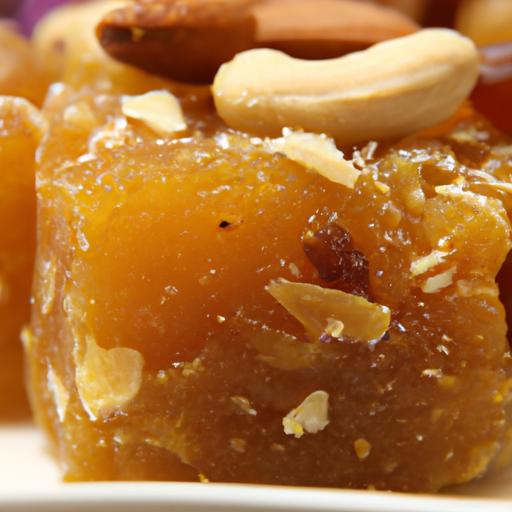

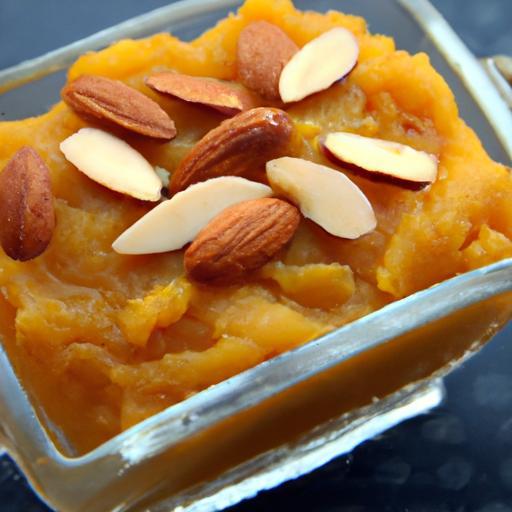
In the vibrant tapestry of Indian sweets, few delicacies stand out quite like Badam halwa-a luscious, velvety dessert that elegantly marries the earthy warmth of almonds with the rich indulgence of ghee and sugar. This nutty delight, steeped in centuries of tradition, is more than just a treat; it’s a festivity of flavor, culture, and craftsmanship rolled into one. Whether served at festive gatherings or enjoyed as a comforting finale to a hearty meal, Badam Halwa captivates the senses with its golden hue, intoxicating aroma, and creamy texture. Join us as we explore the origins, readiness, and cultural importance of this exquisite indian dessert, uncovering what makes Badam Halwa a timeless favorite across generations.
Badam Halwa is a cherished gem in Indian cuisine known for its luscious texture and the intoxicating aroma of roasted almonds. Originating from the royal kitchens of North India, this decadent dessert has graced festive occasions and celebrations for centuries, symbolizing prosperity and warmth. As a Culinary Content Creator and Food Stylist, I find that making Badam Halwa at home is both a sensory experience and a homage to conventional Indian sweetness, offering a perfect balance of rich nutty flavors and comforting creaminess that instantly captivates.
Prep and Cook Time
- preparation: 15 minutes
- Cooking: 40 minutes
- Total Time: 55 minutes
Yield
- Serves 6-8 generous portions
Difficulty Level
- Medium – Requires attentive stirring and patience for perfect texture
Ingredients
- 1 cup almonds (badam), soaked overnight and peeled
- 1 cup full-fat milk (preferably whole milk or reduced milk)
- 3/4 cup sugar (adjust based on sweetness preference)
- 1/4 cup ghee (clarified butter)
- 1/2 teaspoon cardamom powder
- 2 tablespoons water (to grind almonds)
- Chopped pistachios or almonds for garnish (optional)
- Saffron strands (optional, for aroma and color enhancement)
Instructions
- Prepare Almond Paste: Drain the soaked almonds and peel off the brown skin for a smooth finish. In a blender, combine the peeled almonds with 2 tablespoons of water and grind into a coarse paste. Avoid adding excess water to retain richness.
- Simmer Milk: Pour the full-fat milk into a heavy-bottomed pan and bring it to a gentle boil.Reduce the heat and simmer, stirring occasionally, until the milk thickens slightly-this enhances the creaminess of your halwa.
- Combine Almond Paste and Milk: Add the almond paste to the simmering milk. Stir continuously on medium heat to avoid lumps,ensuring the mixture integrates smoothly.
- Add Sugar and Cardamom: Mix in sugar and cardamom powder. Continue stirring until the sugar dissolves completely and the mixture thickens further-about 10 minutes.
- Incorporate ghee: Slowly drizzle the ghee into the mixture while stirring. Cook on low heat, stirring frequently, until the halwa starts to pull away from the pan edges and achieves a glossy sheen. this step can take 15-20 minutes.
- Final Touches: Stir in saffron strands if using, allowing the aroma and subtle color to infuse.Cook for an additional 2 minutes.
- Serve Warm: Transfer to a serving dish, garnish with chopped pistachios or almonds, and serve warm for an indulgent treat.
Tips for Success
- Almond peeling tip: soaking almonds overnight softens the skin for easy removal-skinless almonds ensure the halwa’s texture is smooth and velvety.
- Milk choice: Using fresh, full-fat milk or evaporated milk intensifies the richness; avoid skim milk as it yields a thinner halwa.
- Ghee quality: Opt for pure, fragrant ghee which imparts the signature aroma and smooth mouthfeel.
- Consistent stirring: Prevents burning and curdling, ensuring even cooking and creaminess throughout.
- Make ahead: Badam Halwa stores well refrigerated for 3-4 days-reheat gently before serving.
- Variations: For a twist, fold in a spoonful of almond butter at the end or add a splash of rose water for floral notes.
Serving Suggestions to Elevate Your Dessert Experience
Serve Badam Halwa warm in elegant bowls or traditional earthenware to highlight its rich golden hue. Garnish with finely chopped pistachios, toasted slivered almonds, or a delicate silver leaf (varak) for authentic festive flair. Pairing this dessert with mild, refreshing accompaniments like unsweetened chai, cardamom-flavored lassi, or a scoop of vanilla ice cream enhances the balance of flavors-helping to cut thru the richness and elevate each spoonful.
For a modern presentation, create bite-sized portions using silicone molds and top with pomegranate seeds or edible rose petals, adding bursts of color and texture contrast. Offering Badam Halwa alongside traditional Indian sweets such as gulab Jamun (close internal link) or alongside fresh seasonal fruits can create a celebratory dessert platter that appeals visually and gastronomically.
| Nutrient | per Serving (approx.) |
|---|---|
| Calories | 230 kcal |
| Protein | 6 g |
| Carbohydrates | 20 g |
| Fat | 14 g |

Discover more about dairy-rich Indian desserts and their cultural roots on Britannica’s Halva overview, a trusted resource offering deeper insights.
Q&A
Q&A: Badam Halwa – A Rich and nutty Indian Dessert Delight
Q1: What exactly is Badam Halwa?
A: Badam Halwa is a luscious, traditional Indian dessert made primarily from almonds (badam), ghee (clarified butter), sugar, and fragrant cardamom. It’s a rich, dense pudding that boasts a nutty aroma and a silky texture, often reserved for festive occasions and special celebrations.
Q2: where does Badam Halwa originate from?
A: this delightful dessert has its roots in the royal kitchens of north India, especially in states like Rajasthan and Uttar Pradesh. It was once a royal favorite, crafted with care and served to kings and queens during grand feasts and weddings.
Q3: What makes Badam Halwa so special compared to other Indian sweets?
A: Unlike many milk-based Indian sweets, Badam Halwa stands out as of its intense almond flavor and rich ghee content. The slow roasting of ground almonds in ghee imparts a deep nuttiness, while cardamom adds a hint of aromatic warmth. The texture is smooth yet slightly grainy, offering a luxurious mouthfeel that melts into sweetness.
Q4: Are there any health benefits to eating Badam Halwa?
A: While Badam Halwa is indulgently rich, almonds are renowned for their nutritional value-they’re packed with healthy fats, protein, vitamin E, and antioxidants. Moderation is key,but enjoying this dessert occasionally can offer a delicious dose of these nutrients.Plus, it’s a natural energy booster thanks to almonds and ghee.
Q5: How is Badam Halwa traditionally prepared?
A: The preparation involves soaking and peeling almonds, grinding them into a fine paste, and slow-cooking this paste with ghee and sugar. Cardamom powder is added for fragrance. The mixture is stirred continuously over low heat until it thickens into a dense, glossy halwa. It’s a labor of love that requires patience for the perfect consistency and flavor.
Q6: Can Badam Halwa be made with alternatives to almonds?
A: While badam (almonds) are central to the classic recipe, variations sometimes incorporate cashews or pistachios to add a different nutty dimension. However, true aficionados prefer the authentic almond flavor that defines Badam Halwa’s identity.
Q7: How is Badam Halwa typically served?
A: It’s usually served warm or at room temperature, garnished with slivers of almonds or sometimes saffron strands to enhance its royal appeal. It pairs wonderfully with a cup of masala chai or can be presented as a sweet finale to an elaborate Indian meal.
Q8: Can Badam Halwa be stored, and how long does it last?
A: due to its rich ghee content, Badam Halwa has a relatively good shelf life. When stored in an airtight container in the refrigerator, it can last up to a week. Just warm it slightly before serving to regain its luscious texture.
Q9: What occasions are ideal for enjoying Badam Halwa?
A: This dessert shines during festivals like Diwali, Navratri, and weddings-it’s synonymous with celebration and abundance. Its richness is perfect for marking joyous moments and indulging in the sweet side of Indian tradition.
Q10: Where can someone try authentic Badam Halwa outside India?
A: indian sweet shops worldwide often carry Badam Halwa, especially in cities with vibrant Indian communities. Additionally, many Indian restaurants include it on their dessert menus.For the adventurous, making it at home can be a rewarding culinary journey into Indian heritage.
To Conclude
As the warm,fragrant aroma of roasted almonds fills the kitchen and the velvety strands of ghee-infused halwa slowly come together,one thing becomes clear: Badam Halwa is more than just a dessert-it’s a celebration of India’s rich culinary heritage. This luscious, nutty delight not only satisfies the sweet tooth but also tells a story of tradition, patience, and love passed down through generations. Whether served at festive occasions or as a special treat to brighten an ordinary day,Badam Halwa invites you to savor a taste that is both timeless and deeply comforting.So next time you seek a dessert that’s rich in flavor and history, let this almond indulgence be your sweet destination.