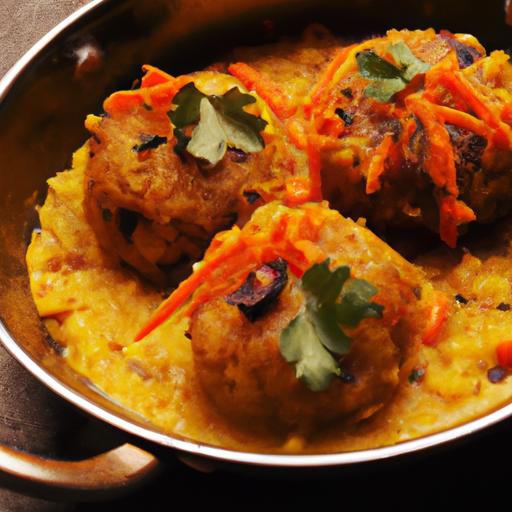

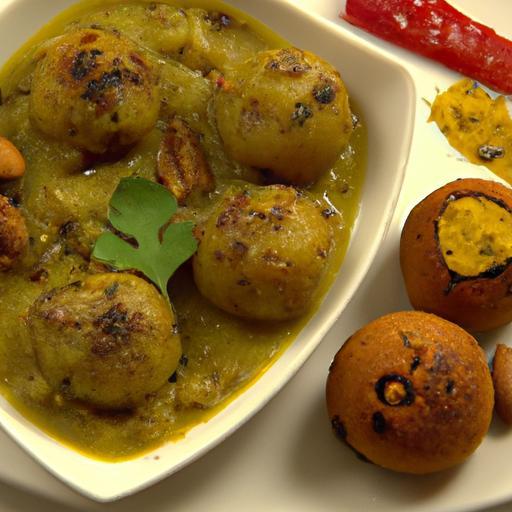
In the sun-soaked deserts of Rajasthan, where vibrant culture and history paint every aspect of life, one dish stands as a timeless emblem of tradition and flavor-Dal Baati Churma. More than just a meal, this savory heritage trio weaves together centuries of storytelling, culinary artistry, and communal spirit. From the hearty lentil dal simmered with fragrant spices, to the golden, crisp baati rolling off the tandoor, and the sweet, crumbly churma that completes the experience, each element tells a tale of Rajasthan’s rich past and warm hospitality. Join us as we explore the origins, preparation, and cultural importance of Rajasthani Dal Baati Churma, a dish that continues to enchant taste buds and hearts alike.
Rajasthani Dal Baati Churma is more than just a meal-it’s a savory emblem of Rajasthan’s rich culinary heritage that captures the essence of desert life and royal hospitality. This iconic trio brings together the smoky warmth of spiced lentils, the rustic crunch of baked wheat balls, and the sweet comfort of crushed, jaggery-infused churma, inviting every home cook and food lover to delve into ancient flavors and time-honored traditions.
Prep and cook Time
- Preparation: 40 minutes
- Cooking: 1 hour 15 minutes
- Total: 1 hour 55 minutes
Yield
Serves 6 generous portions
Difficulty Level
Medium: Requires moderate skill to balance textures and flavors for perfect harmony.
Ingredients
- For Dal:
- 1 cup split yellow moong dal, washed and soaked 30 minutes
- 1 medium onion, finely chopped
- 2 medium tomatoes, pureed
- 2 green chilies, slit
- 1 tsp ginger-garlic paste
- 1 tsp cumin seeds
- 1/2 tsp turmeric powder
- 1 tsp red chili powder
- 1 tsp coriander powder
- 2 tbsp desi ghee
- Salt, to taste
- 4 cups water
- for Baati:
- 2 cups whole wheat flour, tightly packed
- 1/2 cup semolina (rava)
- 1/2 cup warm milk
- 1/4 cup melted ghee
- 1/2 tsp baking powder
- Salt, a pinch
- For Churma:
- 2 cups whole wheat flour
- 1/2 cup melted ghee
- 3/4 cup powdered jaggery or sugar
- 1/4 tsp crushed cardamom
- 1/4 cup chopped nuts (optional)
Instructions
- Prepare the Dal: Rinse the moong dal thoroughly. In a heavy-bottomed pot, heat ghee and add cumin seeds until they sizzle. Add onions and sauté until lightly golden, about 5-7 minutes.
- Add ginger-garlic paste and green chilies. Cook for 2 more minutes until fragrant.
- Pour in the tomato puree, turmeric, red chili, and coriander powder. Sauté the masala until the oil separates, approximately 6 minutes, stirring frequently enough.
- Add soaked dal and 4 cups water. Season with salt. Pressure cook for 3 whistles or simmer on low for 40-45 minutes until dal is soft and flavors meld.
- Make the Baati dough: In a large bowl, combine whole wheat flour, semolina, baking powder, salt, and melted ghee. Gradually add warm milk to form a stiff yet pliable dough.
- Cover and let the dough rest for 20 minutes.
- Divide the dough into equal portions and shape each into smooth balls (about the size of a golf ball).
- Bake Baatis: Traditionally, baatis are baked in a charcoal oven for smoky flavor, but at home preheat your oven to 375°F (190°C). Arrange baatis on a baking tray and bake for 30-40 minutes,turning every 10 minutes until golden brown and crisp on the outside.
- Once baked, dip hot baatis in warm ghee and set aside to soak.
- Prepare Churma: Take remaining flour, add melted ghee, and knead into a soft dough.
- Divide into small balls and deep-fry on medium heat until golden and crisp. Drain on paper towels.
- When cool, crush the fried dough balls with a rolling pin or mortar and pestle, add jaggery (or sugar), cardamom, and nuts. Mix well to combine into a coarse, crumbly sweet mixture.
- Serving: Traditionally serve warm baati alongside piping hot dal, generously ladled with ghee, and a bowl of sweet churma. Garnish dal with fresh coriander and a drizzle of ghee to amplify richness.
Tips for Success
- Use desi ghee liberally; it lends authenticity and luxurious depth to the dish.
- For an extra smoky touch,try finishing baatis over a direct flame briefly post-baking.
- The dal should be thick yet pourable-add water gradually when cooking to avoid it becoming too runny.
- You can substitute moong dal with a mix of chana and toor dal for varied texture and flavor.
- Churma can be sweetened with date palm jaggery for a more rustic taste.
- The dish is best enjoyed fresh, but baatis can be stored in an airtight container for 2 days without losing crunch.
Serving Suggestions
Present dal in a deep, rustic bowl with a knob of ghee melting on top, baatis stacked on a wooden platter brushed generously with ghee, and churma in a vibrant ceramic bowl adorned with slivered almonds and a light dusting of cardamom powder. Accompany the meal with sliced raw onions,lemon wedges,and green chutney for a perfect balance of textures and flavors.
| Nutrient | Per Serving |
|---|---|
| Calories | 520 kcal |
| Protein | 18 g |
| Carbohydrates | 54 g |
| Fat | 24 g |
Explore more authentic Indian recipes in our Indian Cuisine Explored series and deepen your culinary adventures.
Discover the broader history and cultural context of dal varieties here for further enrichment about this essential ingredient.

Q&A
Q&A: Rajasthani Dal Baati Churma – A Savory Heritage Dish Explored
Q1: What is Dal Baati churma, and why is it considered a heritage dish?
A: Dal Baati Churma is a traditional Rajasthani delicacy that perfectly encapsulates the culinary heritage of the arid desert state of Rajasthan, India. This iconic trio-comprising spiced lentils (Dal), baked wheat balls (Baati), and a sweet crushed wheat mixture (Churma)-has been passed down through generations, embodying the resourcefulness, culture, and festive spirit of the region. Its unique combination of flavors and textures tells a story of Rajasthan’s history, climate, and ethos, making Dal Baati Churma much more than just a meal; it’s edible heritage.Q2: How is Dal Baati Churma traditionally prepared?
A: Preparation begins with the Baati,hard round dough balls made from wheat flour,semolina,and ghee,traditionally baked over firewood or in a clay oven until golden and crisp.The Dal, a hearty lentil stew often using a mix of toor, moong, and chana dals, is cooked with aromatic spices, garlic, and sometimes a tempering of mustard seeds and curry leaves. Churma is made by crushing coarsely ground Baati, combining it with powdered jaggery or sugar, and adding ghee for a sweet, crumbly delight. Together, this ensemble balances spicy, savory, and sweet tastes.
Q3: What makes Dal Baati Churma so unique compared to other Indian dishes?
A: Its uniqueness lies in the harmony of contrasting components-crispy Baatis that soak up the robust Dal, paired beautifully with the sweet crumbly Churma. This dish showcases Rajasthan’s innovation in creating wholesome food using minimal resources. The baking technique of Baati, instead of regular frying or boiling, lends a distinct texture and flavor, while the combination represents a complete, comforting meal that fuels the people in the harsh desert climate.Q4: Can Dal Baati Churma be adapted for modern kitchens?
A: Absolutely! While traditional Baatis are baked in a tandoor or over wood fire, modern kitchens frequently enough use ovens or gas stoves, making the dish accessible worldwide. Lentils can be pressure-cooked to save time without compromising taste, and Churma can be prepared with variations including nuts and dried fruits for extra richness. Despite innovations, the soul of Dal baati Churma remains intact, allowing food lovers everywhere to savor a piece of Rajasthani culture in contemporary settings.
Q5: Why is Dal Baati churma more than just food in Rajasthan?
A: Beyond its flavors, Dal Baati Churma is deeply woven into rajasthani festivals, weddings, and special occasions.It symbolizes hospitality, togetherness, and party. Serving this traditional meal is a gesture of warmth and respect, reflecting the community-oriented spirit of Rajasthan.Its rituals-such as the breaking of baati with ghee and serving with Dal and Churma on the same plate-create a sensory and cultural experience that connects people to thier roots.
Q6: What should frist-timers know before trying Dal Baati Churma?
A: Expect a delightful journey of textures and tastes: crunchy Baati softened by ghee and Dal, offset by the sweet burst of Churma. It’s a hearty, filling meal, frequently enough enjoyed with a dollop of ghee or a side of spicy chutney.To truly appreciate it, embrace the traditional way-break the Baati into pieces, dunk it into the Dal, and finish with Churma for a sweet finale. This dish invites you not just to eat but to experience a rich legacy on your palate.
Insights and Conclusions
As the aroma of tempered spices lingers and the crumbly sweetness of churma melts on the tongue, Rajasthani Dal Baati Churma reveals itself as more than just a meal-it is a flavorful journey through history and culture. This beloved triad not only satisfies hunger but also tells the story of Rajasthan’s resilient people, their traditions, and their connection to the land. whether savored in a bustling desert village or recreated in a modern kitchen miles away, Dal Baati Churma remains a timeless testament to India’s rich culinary heritage, inviting every palate to experience a slice of Rajasthan’s savory soul.