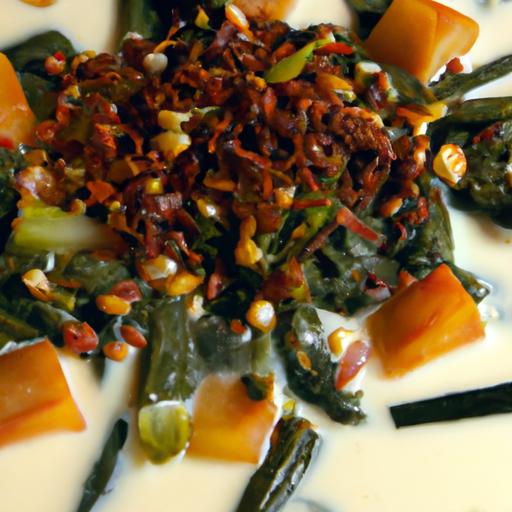

In the vibrant tapestry of Chilean cuisine, where the Pacific’s bounty meets the Andes’ harvest, a surprising yet delightful ingredient has carved its niche: nopalitos. These tender pads of the prickly pear cactus,known simply as “nopalitos,” offer not only a distinctive texture and flavor but also a story that stretches from ancient traditions to modern plates. As Chileans continue to embrace this unique taste of cactus cuisine, nopalitos have become more than just a quirky ingredient-they are a symbol of cultural fusion, environmental adaptability, and culinary innovation. Join us as we explore how nopalitos found their way into Chilean kitchens, transforming everyday meals into a succulent party of nature’s resilience and flavor.
Nopalitos in Chile have long been woven into the fabric of Chilean cuisine, treasured for their unique texture, vibrant flavor, and remarkable health properties. This edible cactus has played a importent role since pre-columbian times, embraced by indigenous communities and evolving through centuries into a versatile staple that graces both rustic kitchens and contemporary dining tables. The subtle tang and tender crunch of nopalitos evoke the sun-drenched valleys of chile, offering an unparalleled taste experience that bridges tradition and innovation.
Prep and Cook time
Preparation: 15 minutes | cooking: 20 minutes | Total Time: 35 minutes
Yield
Serves 4 as a main dish or side
Difficulty Level
Easy to Medium
Ingredients
- 500g fresh nopalitos (cleaned and diced)
- 1 medium onion, finely chopped
- 2 cloves garlic, minced
- 2 medium tomatoes, peeled and diced
- 1 small red bell pepper, chopped
- 1 tbsp olive oil
- 1 tsp smoked paprika
- 1 tsp ground cumin
- 1/2 tsp red chili flakes (optional, for a mild kick)
- Salt and freshly ground black pepper, to taste
- Fresh cilantro or parsley, chopped for garnish
- Juice of 1 lime
Instructions
- Prepare the nopalitos: If using fresh nopalitos, clean by removing spines and slicing into small cubes. Blanch in boiling water for 5 minutes to reduce sliminess,then drain and rinse with cold water.
- Sauté aromatics: Heat olive oil in a large skillet over medium heat. Add chopped onion and garlic, sauteing until translucent and fragrant, about 3-4 minutes.
- Add vegetables and spices: Stir in diced tomatoes and red bell pepper. Cook until softened, about 5 minutes. Sprinkle in the smoked paprika, cumin, and red chili flakes. mix well to evenly coat the veggies with spices.
- Incorporate nopalitos: Add the blanched nopalitos into the skillet. Stir and cook for an additional 8-10 minutes, allowing the flavors to meld and the excess moisture to evaporate. Season with salt and pepper.
- Finish with citrus and herbs: Remove from heat and stir in fresh lime juice and chopped cilantro or parsley for brightness and freshness.
Chef’s Notes
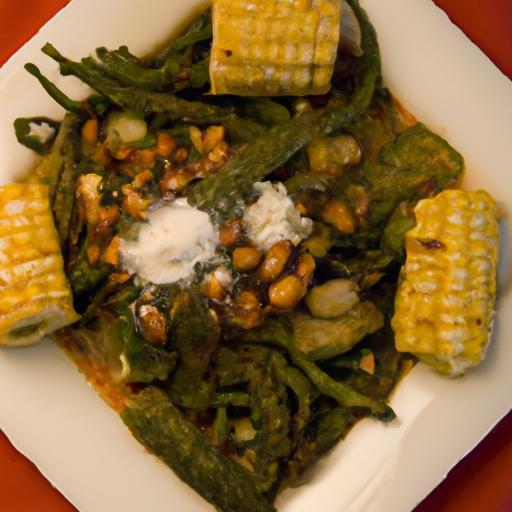
- Variation: For a heartier meal, toss in cooked black beans or crumbled queso fresco for a creamy contrast.
- Substitution: Substitute fresh nopalitos with jarred or frozen, but rinse thoroughly to remove excess brine or freeze taste.
- Tip: Blanching the nopalitos is crucial to reduce their natural sliminess, creating a pleasantly firm texture.
- Make-ahead: This dish keeps well in the fridge for up to 3 days and tastes fantastic gently reheated with a squeeze of fresh lime.
Serving Suggestions
Serve warm alongside charred corn tortillas or crusty bread to soak up the vibrant juices. Garnish with extra cilantro and a wedge of lime for added zest. For an authentic Chilean experience, accompany with a fresh avocado salad or a simple bean stew. Its fresh, tangy notes pair beautifully with roasted meats and grilled seafood alike.

| Nutrient | Per Serving |
|---|---|
| Calories | 120 kcal |
| Protein | 4g |
| Carbohydrates | 15g |
| Fat | 5g |
Known for their high antioxidant content and fiber, nopalitos remain a superfood in Chilean diets, supporting digestion, blood sugar regulation, and heart health. Their longstanding cultural roots not only honor the indigenous heritage but also ignite culinary creativity worldwide.
For more tasty Latin American recipes featuring cactus ingredients, check out our comprehensive guide to cactus cuisine.
Q&A
Q&A: Nopalitos in Chile – A Unique Taste of Cactus Cuisine
Q1: What exactly are nopalitos?
A1: Nopalitos are tender, young pads of the prickly pear cactus, also known as “nopal.” When harvested and prepared correctly, these fleshy green pads transform into a succulent, slightly tangy ingredient beloved in many Latin American kitchens.Their texture is somewhat crunchy yet tender, with a subtle flavor reminiscent of green beans mixed with cucumbers.
Q2: How did nopalitos become popular in Chile?
A2: While nopalitos have long been staples in mexican and othre latin American cuisines,their journey into Chilean gastronomy is a fascinating tale of cultural exchange and culinary curiosity. Over the past decade, Chilean chefs and food enthusiasts began experimenting with indigenous and imported cactus varieties, celebrating their sustainability and unique taste. Today, nopalitos are emerging as a favored ingredient in urban markets and trendy eateries, connecting customary ingredients with modern culinary creativity.
Q3: What makes nopalitos unique in Chilean cuisine compared to other countries?
A3: In chile, nopalitos are ofen paired with local ingredients-think fresh seafood from the coast, Andean herbs, or native tubers-creating a fusion that highlights the country’s biodiversity. Chefs tend to emphasize simplicity, grilling or lightly sautéing nopalitos to preserve their natural flavor and texture, rather than smothering them in heavy sauces. This approach respects the cactus’s subtle tang and crispness, giving Chilean nopalito dishes their distinctive identity.
Q4: How are nopalitos typically prepared and served in Chile?
A4: Chileans enjoy nopalitos in various ways: chopped and added to fresh salads for a burst of freshness, tossed into savory stews, or even grilled and served as a side dish accompanied by pebre (a Chilean salsa). Some adventurous cooks incorporate nopalitos into vegetarian tacos or use their gelatinous juice as a natural thickener in sauces, showcasing the cactus’s versatility.
Q5: Are nopalitos nutritious?
A5: Absolutely! Nopalitos are a powerhouse of nutrients. they’re low in calories but rich in dietary fiber, vitamins A and C, antioxidants, and minerals like magnesium and calcium. Their high fiber content can aid digestion, and studies suggest the cactus may help regulate blood sugar and cholesterol levels, making them a popular choice for health-conscious eaters.
Q6: Where can visitors to Chile try nopalitos?
A6: Travelers eager to sample nopalitos should explore local markets in Santiago, Valparaíso, and other cities where fresh cactus pads are sold seasonally. Many contemporary Chilean restaurants and food trucks feature innovative cactus dishes on their menus, especially during summer and early fall when nopalitos are at their peak. Don’t hesitate to ask about “nopal” dishes-you might be surprised at the creative spins chefs bring to this humble cactus.
Q7: What role do nopalitos play in sustainable and eco-pleasant eating in Chile?
A7: Given Chile’s diverse and sometimes arid landscapes, nopalitos represent an environmentally friendly food source. Their cultivation requires minimal water and pesticide use, thriving in dry areas where other crops struggle. By incorporating nopalitos into the diet, Chile is tapping into a resilient, sustainable ingredient that supports local farmers and reduces ecological impact-a win for both palate and planet.
Q8: Can I try making Chilean-style nopalitos at home?
A8: Definitely! If you can find fresh nopal pads at a Latin market or specialty grocery store, preparing them at home is simple. Scrape off the tiny spines carefully, then dice or slice the pads.A rapid boil or sauté with garlic, onions, and a squeeze of lemon juice can bring out their flavor. For a true Chilean touch, try serving them alongside quinoa, fresh cilantro, or a drizzle of olive oil from Chile’s Central Valley.It’s a delicious way to bring a taste of cactus cuisine into your kitchen!
Nopalitos in Chile don’t just offer a unique culinary experience-they’re a symbol of cultural fusion, health, and environmental mindfulness. This humble cactus pad invites curious eaters to explore a taste both ancient and innovatively modern. Ready to try a bite?
In summary
As the vibrant flavors of nopalitos continue to carve their niche in Chilean kitchens,they offer more than just a taste-they present a cultural bridge between tradition and innovation. This humble cactus ingredient, steeped in history and rich in nutrients, invites locals and visitors alike to explore a culinary landscape where sustainability meets bold, refreshing flavors. Whether sautéed, pickled, or tossed into a fresh salad, nopalitos in Chile stand as a testament to the country’s evolving palate and deepening appreciation for native ingredients. Next time you seek a unique bite that tells a story of resilience and flavor,let nopalitos guide your plate-and your palate-into a distinctive chapter of Chilean cuisine.