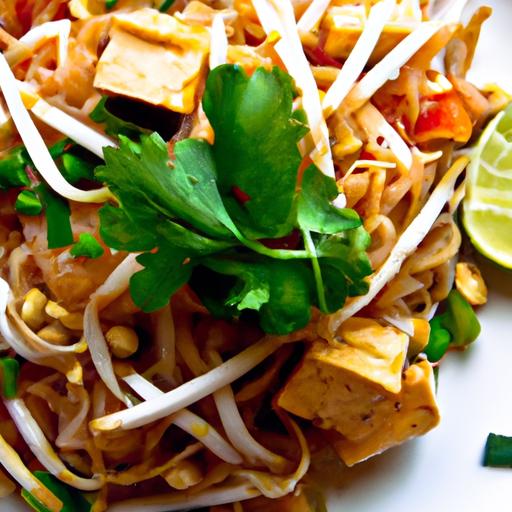

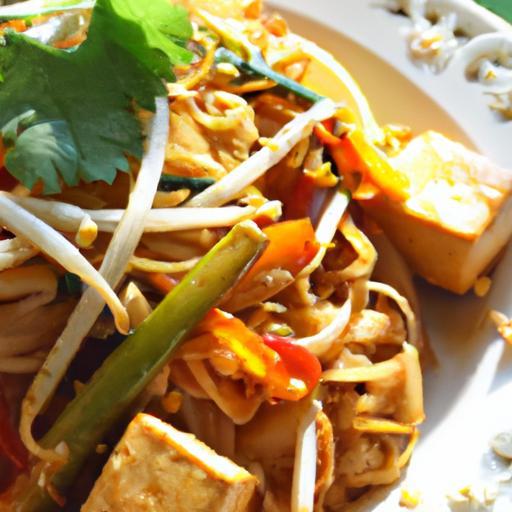
In the bustling world of global cuisine,few dishes capture the vibrant spirit of Thai flavors quite like Pad Thai. Traditionally celebrated for its harmonious blend of tangy tamarind, crunchy peanuts, and savory spices, this iconic street food has long delighted taste buds everywhere. But as plant-based diets continue to rise in popularity, a fresh twist on this classic has emerged: Thai Tofu Pad Thai. Bursting with color, texture, and nutrition, this vibrant plant-based delight not only honors the essence of its origins but also invites food lovers to experience a cruelty-free, wholesome feast. Join us as we uncover the secrets behind this tantalizing dish, exploring why Thai Tofu Pad Thai deserves a spot at everyone’s table.
Discover Thai Tofu Pad Thai invites you on a sensory journey through the bustling streets of Thailand, where this iconic stir-fried noodle dish captures the heart of Thai cuisine by blending tangy, sweet, salty, and nutty flavors in perfect harmony. Originating as a street food staple,Pad Thai evolved during World War II as a government-endorsed dish to boost nationalism and promote rice noodle consumption. Its plant-based rendition with tofu not only honors tradition but also caters beautifully to modern dietary preferences without sacrificing the dish’s vivid,satisfying essence.
Prep and Cook Time
Prep Time: 20 minutes
Cook Time: 15 minutes
Total Time: 35 minutes
Yield
Serves 4 hearty portions
Difficulty Level
Easy to Medium – Perfect for weeknight dinners and culinary explorers alike
Key Ingredients That Bring Authentic Flavors to Life
- Rice noodles: 8 oz flat rice noodles, soaked until tender but firm
- Tofu: 14 oz firm or extra-firm, pressed and cubed for a delightful texture
- Pad Thai sauce: A blend of 3 tbsp tamarind paste, 3 tbsp palm sugar (or brown sugar), and 3 tbsp soy sauce for umami depth
- Garlic: 3 cloves, finely minced to infuse aromatic warmth
- Shallots: 2 small, thinly sliced for subtle sweetness
- Bean sprouts: 1 cup, fresh and crisp for contrast in texture
- Green onions: 2 stalks, sliced diagonally for color and mild sharpness
- Roasted peanuts: ¼ cup, crushed to sprinkle over for crunch
- Egg alternative: Optional, such as a chickpea flour scramble or silken tofu crumbles (for vegan adaptation)
- Lime wedges: For serving, adding brightness with every squeeze
- Chili flakes: To taste, for an optional spicy kick
- Oil: 2 tbsp neutral oil like vegetable, for sautéing
step-by-Step Guide to Preparing the Perfect Plant-Based Pad Thai
- Prepare the rice noodles: Soak rice noodles in warm water for 20-30 minutes until pliable but still slightly firm. Drain well.Avoid over-soaking to prevent mushiness during stir-frying.
- Press and cube the tofu: Carefully press tofu for at least 15 minutes to remove excess moisture. Cut into ¾-inch cubes to ensure even browning and a satisfying bite.
- Mix the Pad Thai sauce: In a small bowl, whisk together tamarind paste, palm sugar, and soy sauce until smooth and sugar dissolves.
- Heat oil in a wok or large skillet: Over medium-high heat, add tofu cubes and sauté until golden brown and crispy on all sides, about 6-8 minutes. Remove tofu and set aside.
- Sauté aromatics: In the same pan, add garlic and shallots, stirring continuously until fragrant and slightly golden, about 2 minutes.
- Add noodles and sauce: Toss the drained rice noodles into the pan. Pour the prepared sauce over them and gently toss to coat evenly, cooking for 3-4 minutes until the noodles soak up the rich flavors.
- Incorporate tofu and bean sprouts: Return tofu to the wok, add bean sprouts, and green onions.Stir-fry gently to combine and warm everything through.
- Add egg alternative if using: Push the noodles aside and scramble your chickpea flour mix or silken tofu in the empty space. Once cooked, fold into noodles smoothly to mimic traditional texture.
- Final toss and plating: Remove from heat, transfer to serving plates, and garnish generously with crushed roasted peanuts and a wedge of lime alongside chili flakes for those who desire heat.
Tips and Tricks for Customizing Your Tofu Pad Thai experience
- Press your tofu thoroughly: The drier the tofu, the crispier and more flavorful it turns out.
- Balance your sauce: Taste and adjust between sweet,sour,and salty - tamarind can vary in tartness,so tailor it to your preference.
- Rice noodles choice matters: Flat rice noodles provide authentic texture; try to avoid pre-cooked or instant noodles which may become mushy.
- vegetable boost: Swap or add shredded carrot, red bell pepper, or snap peas for vibrant color and nutrition.
- Make ahead: Prepare the sauce and tofu earlier. Soaking noodles last minute keeps them fresh and prevents clumping.
- Spice adjustments: Control heat with fresh sliced chili or chili flakes; adding a dash of Sriracha can also elevate complexity.
Serving Suggestions
For a visually stunning presentation always garnish with freshly crushed roasted peanuts and wedges of lime arranged on the side. Serve with a small bowl of extra bean sprouts, fresh cilantro, and sliced green onions to let diners customize their plate.pair with a chilled Thai iced tea or a crisp white wine like Riesling to complement the balance of sweet and sour flavors. This dish shines with its vibrant colors,tantalizing aroma,and that irresistible crunch that makes it a beloved classic in its plant-based form.

| Nutrient | Per Serving |
|---|---|
| Calories | 420 kcal |
| Protein | 18 g |
| Carbohydrates | 58 g |
| Fat | 12 g |
for more delightful plant-based Thai recipes, explore our Thai Vegetarian cuisine collection.To dive deeper into the rich history of Pad Thai and its cultural roots, visit Encyclopedia Britannica’s Pad Thai article.
Q&A
Q&A: Discover Thai Tofu Pad Thai – A Vibrant Plant-Based Delight
Q1: What makes Thai Tofu Pad Thai such a unique and vibrant dish?
A1: Thai Tofu Pad Thai brilliantly blends bold,tangy,and slightly sweet flavors with the satisfying texture of stir-fried rice noodles. The tofu adds a protein-packed,plant-based twist,soaking up the luscious sauce while providing a delightful contrast to the crunchy peanuts and fresh vegetables. It’s a colorful medley that dances on your palate and nourishes your body.
Q2: How does tofu transform the traditional Pad Thai experience?
A2: Traditionally, Pad Thai features shrimp or chicken, but tofu brings a wholesome, plant-powered punch. Its subtle flavor is a perfect canvas for the sauce’s complex notes of tamarind, lime, and palm sugar. Tofu’s firm yet tender texture adds a comforting heartiness, making the dish accessible to vegans and vegetarians without compromising on authentic taste.
Q3: What are the essential ingredients in a classic Thai Tofu Pad Thai?
A3: The magic starts with rice noodles, firm tofu cubes, and a vibrant sauce made from tamarind paste, lime juice, palm sugar, and soy sauce or tamari. Crunchy peanuts, fresh bean sprouts, garlic chives, and a sprinkle of chili flakes bring layers of texture and heat. A wedge of lime on the side offers a final zesty burst.
Q4: Can Thai Tofu Pad Thai be made at home easily?
A4: Absolutely! With a handful of accessible ingredients and simple stir-frying techniques, it’s a kitchen-kind recipe. Preparing tofu by pressing and pan-frying enhances its texture, while the sauce comes together in minutes. It’s an engaging culinary journey that rewards you with vibrant flavors and the joy of homemade thai food.
Q5: Why is Thai Tofu Pad Thai a great introduction to plant-based eating?
A5: this dish beautifully showcases how plant-based meals can be flavorful, satisfying, and culturally rich. It breaks the myth that vegan food is bland, offering a harmony of textures and bold tastes that even meat-eaters love. Thai Tofu Pad Thai invites you to explore vibrant, colorful eating with wholesome ingredients.
Q6: How can one customize Thai Tofu Pad Thai for different taste preferences?
A6: The beauty of this dish lies in its versatility. Add more chili for fiery heat, swap peanuts for cashews for a nuttier crunch, or toss in extra veggies like bell peppers and carrots for added color and nutrition. For gluten-free friends, use tamari and double-check your noodles. Each tweak personalizes your plant-powered Pad Thai adventure.
Q7: What’s the cultural significance of Pad Thai in thailand, and how does tofu fit into modern renditions?
A7: Pad Thai is Thailand’s national dish, symbolizing culinary ingenuity born from historical necessity and cultural fusion. While originally made with eggs, shrimp, or pork, contemporary interpretations embrace global dietary shifts-welcome plant-based options like tofu shine as both respectful nods to tradition and bold steps into the future of thai cuisine.
Future Outlook
As you embark on your culinary adventures, Thai Tofu Pad Thai offers a flavorful bridge between tradition and plant-based innovation. This vibrant dish not only celebrates the rich tapestry of Thai cuisine but also invites both seasoned food lovers and curious newcomers to savor a wholesome, meat-free delight. Whether you’re seeking to nourish your body or excite your palate, tofu-infused Pad Thai stands as a testament to how simple ingredients can come together to create something truly unusual.So next time you crave a meal that’s bursting with color, texture, and bold flavors, let this plant-powered classic be your guide to a deliciously mindful dining experience.