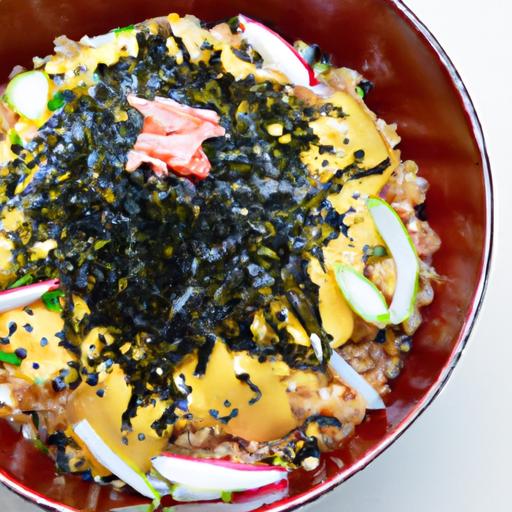

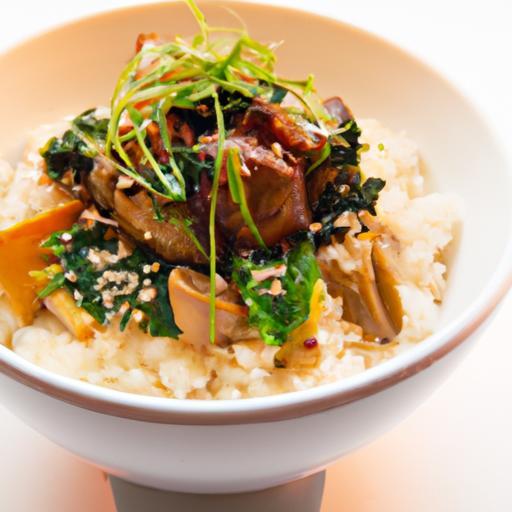
In the heart of Japan’s culinary tapestry lies a humble yet deeply soulful tradition: Kamameshi. More than just a meal, Kamameshi is a fragrant symphony of rice, seasonal ingredients, and history, all lovingly cooked together in a cast-iron pot called a “kama.” This age-old practice transforms simple staples into a comforting feast that not only delights the palate but also tells a story of community, patience, and regional pride. Journey with us as we uncover the rich origins,cultural importance,and mouthwatering secrets behind Japan’s cherished pot rice tradition-an edible testament to the art of slow cooking and heartfelt hospitality.
The Rich Origins and Cultural Significance of Kamameshi
kamameshi Uncovered reveals more than just a recipe - it unwraps a deeply rooted culinary tradition spanning centuries in Japan. Originating during the Taisho period (1912-1926), Kamameshi-literally translating to “kettle rice”-was initially a practical meal cooked directly in small iron pots called kama. This method allowed families and innkeepers to prepare a satisfying,flavorful one-pot meal that preserved the natural aromas of rice,dashi,and seasonal ingredients. Beyond sustenance, Kamameshi embodies communal dining, sharing, and the celebration of nature’s bounty, often enjoyed during festivals and special gatherings.
The dish’s cultural significance extends as a symbol of regional identity, reflecting local produce and seafood, making each pot uniquely representative of its place of origin. Kamameshi invites you into a ceremony of slow cooking, where patience yields a fluffy, slightly crispy crust called okoge-prized as a delicacy and crunchy reward for your effort.
Prep and Cook Time
- Preparation: 20 minutes
- Cooking: 40 minutes
- Total Time: 1 hour
Yield
Serves 4 hearty portions
difficulty Level
Medium - requires attentive layering of ingredients and timing to perfect the crisp crust
Ingredients
- 2 cups Japanese short-grain rice, rinsed and soaked for 30 minutes
- 2 ¼ cups dashi stock (homemade or high-quality instant)
- 150g chicken thigh, cut into bite-sized pieces
- 75g shiitake mushrooms, sliced
- ½ carrot, julienned
- 1/4 cup cooked bamboo shoots, sliced
- 2 tbsp soy sauce
- 1 tbsp mirin
- 1 tbsp sake
- 1 tsp salt
- 2 tbsp toasted sesame seeds, for garnish
- Fresh mitsuba leaves or chopped scallions, for garnish
Instructions
- rinse and soak the rice thoroughly under cold water until the water runs clear. Soak the rice in fresh water for at least 30 minutes, then drain wholly. This step ensures perfect texture and absorbency.
- Prepare the dashi by warming 2¼ cups of stock in a saucepan, then mixing in soy sauce, mirin, sake, and salt. Keep warm on low heat.
- Heat a heavy-bottomed cast iron pot or customary kama over medium heat. Lightly oil the bottom to prevent sticking and promote even browning.
- Add the rice to the pot and evenly spread the chicken, shiitake mushrooms, carrot, and bamboo shoots on top without stirring.
- Pour the seasoned dashi stock gently over the rice and ingredients, allowing flavors to infuse as it simmers.
- Cover the pot tightly with the lid and bring to a gentle simmer over medium-low heat. Cook for 15 minutes without opening the lid.
- Lower the heat to very low and cook for an additional 15-20 minutes, allowing the rice to soak up the broth and develop the beloved crispy okoge at the bottom.
- Turn off the heat and let the pot sit covered for 10 more minutes to steam gently.
- Fluff the rice carefully with a rice paddle, mixing the ingredients together softly without breaking the grains.
- Serve Kamameshi directly from the pot to preserve the warmth and aroma. Garnish with toasted sesame seeds and fresh mitsuba leaves or scallions for a vibrant contrast.
Chef’s Notes
- For vegetarian Kamameshi,substitute chicken with firm tofu and use kombu dashi. Add seasonal vegetables like snow peas or burdock root for heightened freshness.
- Ensure not to lift the lid during cooking to maintain steam and heat balance. Patience is key to achieving a perfect crust.
- To replicate authentic iron pot cooking, a thick ceramic Donabe pot works beautifully and adds rustic charm to presentation.
- Make-ahead tip: prepare all ingredients and assemble in the kama, then refrigerate. Bring pot to room temperature before cooking to ensure even cook.
Serving Suggestions
Present Kamameshi in its cooking pot to retain heat and authenticity.Accompany with light pickles such as tsukemono or a crisp cucumber sunomono salad to balance the richness. Pair with chilled sake or green tea to enhance the communal dining experience.Garnishes like fresh mitsuba or shiso leaves add a peppery freshness, while a sprinkle of sesame seeds offers subtle nuttiness.
| Nutrient | Per Serving |
|---|---|
| Calories | 420 kcal |
| Protein | 18 g |
| Carbohydrates | 58 g |
| Fat | 8 g |
Discover more about traditional Japanese rice dishes and techniques in our Ultimate Guide to Japanese Rice Cooking. For an authoritative deep dive into dashi and its varieties, visit Japanese Cooking 101.

Q&A
Q&A: Kamameshi Uncovered – Japan’s Soulful Pot Rice Tradition
Q1: What exactly is Kamameshi?
A1: Kamameshi (釜飯) translates literally to “kettle rice” and is a traditional Japanese dish where rice is cooked together with various ingredients in a small iron pot called a kama. Its more than just a meal-it’s a comforting, one-pot harmony of flavors and textures that evoke the warm nostalgia of home-cooked Japanese cuisine.
Q2: How does Kamameshi differ from regular steamed rice dishes?
A2: Unlike plain steamed rice, Kamameshi is a theatrical blend of rice simmered with seasonings such as soy sauce, dashi broth, and mirin, along with vegetables, seafood, chicken, or mushrooms. The magic happens in the cast-iron pot: it produces a crisp, golden crust called okoge at the bottom, adding a caramelized crunch that’s beloved by aficionados.
Q3: What is the ancient significance of Kamameshi?
A3: Kamameshi dates back to the early 20th century but draws inspiration from feudal-era cooking methods where rice was cooked in iron pots over open flames. It became popular in train station bento meals (ekiben) during the Taisho and showa eras, symbolizing practicality and flavor during travel, and has since become a cherished culinary tradition representing communal warmth and care.
Q4: What types of ingredients are commonly used in Kamameshi?
A4: Kamameshi ingredients vary regionally, showcasing seasonal bounty. Common fillings include chicken thigh, shiitake mushrooms, bamboo shoots, lotus root, chestnuts, shrimp, and clams. Each addition imparts unique umami nuances, creating layers of taste that complement the savory, tender rice base.
Q5: Why is the pot so essential to Kamameshi’s flavor?
A5: The kama pot’s heavy iron construction ensures even heat distribution, allowing the rice to cook slowly and develop that signature crispy crust without burning. This okoge layer carries a smoky, nutty flavor and adds texture contrast, making Kamameshi not just a meal but an experience of sensory delight.
Q6: How is Kamameshi traditionally served and eaten?
A6: Kamameshi is brought to the table still sizzling in its pot, inviting diners to dig in directly from the kama. The rice is often stirred gently to mix the crispy bottom crust with the tender grains above. It’s communal, cozy, and encourages sharing stories over the meal, embodying heartfelt hospitality.
Q7: Is Kamameshi popular outside Japan?
A7: While not as ubiquitous as sushi or ramen internationally, Kamameshi is gaining recognition among food enthusiasts who appreciate authentic, rustic Japanese cuisine. Some Japanese restaurants abroad now feature Kamameshi on their menus, introducing foreigners to its soulful charm and artisanal preparation.
Q8: Can Kamameshi be made at home?
A8: Absolutely! With a sturdy pot (cast iron or earthenware), good-quality short-grain rice, and a selection of fresh ingredients, home cooks can recreate Kamameshi. The key is patience and attention-allowing the rice to steam gently and form that coveted crispy okoge layer. Recipes and variations abound, inviting personalization.
Q9: What cultural values does Kamameshi represent?
A9: Kamameshi embodies Japanese ideals of balance, respect for ingredients, and the beauty of simplicity. It reflects a deep connection between food and community, where sharing a warm pot of rice nourishes both body and spirit-making it a true soul food of Japan.
Q10: Where should one try the best Kamameshi in Japan?
A10: Some of the most iconic Kamameshi experiences can be found in regions like Niigata, known for its premium rice, or in Osaka at traditional local eateries. Additionally, specialized Kamameshi restaurants in Tokyo’s historic districts offer exquisite, authentic renditions crafted with seasonal produce, preserving this heartwarming tradition.
Future Outlook
As the final grains of kamameshi settle and the fragrant steam fades into the air, we are reminded that this humble pot rice is much more than a meal-it is a heartfelt expression of Japan’s culinary heritage and communal spirit. each sizzling bite tells a story of patience, tradition, and the art of harmonizing simple ingredients to create soulful nourishment. Kamameshi invites us not only to taste but to savor a moment where history and hearth converge, inviting us to appreciate the beauty found in the warmth of a shared meal. In uncovering this beloved dish, we glimpse the very essence of Japan’s enduring love for food that comforts, connects, and transcends time.