
in teh heart of India’s vibrant culinary tapestry lies a dessert that transcends mere sweetness to become a symbol of celebration, warmth, and tradition – Kheer. This luscious, creamy pudding, made from simmered milk, rice, and a fragrant bouquet of cardamom, nuts, and saffron, has been enchanting taste buds for centuries. More than just a dish, Kheer is a cultural thread woven into festivals, family gatherings, and sacred rituals, embodying the essence of Indian heritage in every spoonful. Join us as we unravel the rich history, regional variations, and timeless charm of Kheer – India’s beloved creamy dessert delight.
Kheer is more than just a delightful Indian dessert; it is a candy-colored tapestry of culture, history, and culinary artistry that has been cherished through centuries. Originating from the Sanskrit word “Ksheera,” meaning milk, this luscious pudding beautifully marries creamy richness with aromatic spices, nuts, and grains, creating a soul-soothing treat that is celebrated across households in India. My earliest memories of kheer tie back to festive gatherings where its delicate sweetness symbolized warmth,love,and tradition-making every spoonful a journey into India’s sweet heritage.
Prep and Cook Time
- Prep Time: 10 minutes
- Cook Time: 60 minutes
- Total Time: 1 hour 10 minutes
Yield
Serves 6 generous portions
Difficulty Level
Medium – Requires attention to stirring and gradual milk reduction for perfect creaminess
Ingredients
- 1 liter full-fat whole milk (for the base)
- ¼ cup basmati rice,rinsed and soaked for 30 minutes
- ⅔ cup sugar (adjust to taste)
- 10-12 green cardamom pods,lightly crushed
- 3 tablespoons slivered almonds
- 3 tablespoons chopped pistachios
- 2 tablespoons golden raisins
- 1 teaspoon pure saffron strands,soaked in 2 tablespoons warm milk
- 1 teaspoon ghee (clarified butter)
- Optional: ½ teaspoon rose water or kewra essence (for floral aroma)
instructions
- Prepare the rice: drain the soaked basmati rice. In a medium saucepan, heat 1 teaspoon ghee over medium heat. Lightly sauté the rice for 2-3 minutes until aromatic but not browned.
- Simmer the milk: In a heavy-bottomed pan, bring the whole milk to a gentle boil. reduce heat to low and add the sautéed rice along with the crushed cardamom pods.
- Slow cooking: Stir frequently to prevent the milk from sticking or burning. Allow the mixture to simmer for 45-50 minutes until it thickens and the rice is thoroughly cooked. The texture should be creamy but still fluid enough to pour-think rich, velvety silk.
- Add sweetness and nuts: Stir in the sugar gradually, allowing it to dissolve completely. Mix in slivered almonds, pistachios, and golden raisins. Continue to simmer for another 5-7 minutes.
- Infuse flavors: pour in the saffron-infused milk and optional rose water if using. Stir well to distribute the golden hue and delicate floral notes evenly.
- Final touch: Remove cardamom pods. let the kheer cool slightly before transferring to serving bowls. It can be served warm or chilled depending on your preference.
Tips for Success
- Choosing Rice: Basmati imparts a subtle fragrance, but for creamier textures, try short-grain rice or even broken rice as a regional variation.
- Milk Matters: Use fresh full-fat milk for authentic richness. Avoid ultra-pasteurized milk as it may not reduce as well.
- Consistency Control: Keep stirring gently but frequently to prevent milk from scorching. Adjust the cooking time for thicker or thinner kheer as desired.
- sweetener Alternatives: Swap sugar for jaggery or honey for natural depth; just add towards the end to retain flavors.
- Make Ahead: Kheer tastes even better the next day. Store in an airtight container in the refrigerator for up to 3 days.
Serving Suggestions
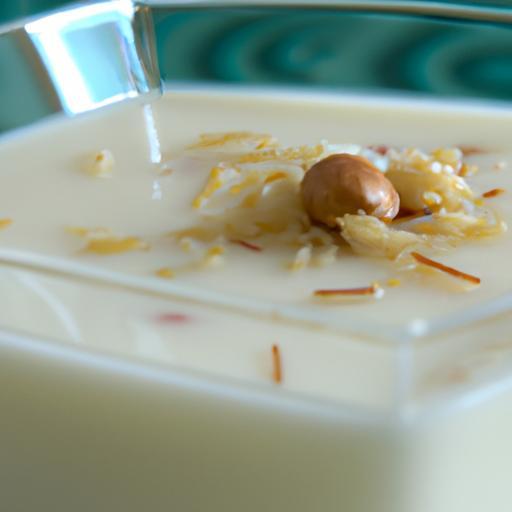
Present this creamy indulgence in elegant bowls garnished with thinly sliced pistachios and almonds for contrasting texture. A few rose petals or edible silver foil (varak) add a festive sparkle. Pair kheer with rich dishes like biryani or lehsun ka murgh for a balanced celebratory meal. It’s the perfect finale to joyous occasions such as Diwali, Eid, weddings, or family feasts-offering comfort and sweetness in every bite.

| Nutrient | Per Serving |
|---|---|
| Calories | 260 kcal |
| Protein | 7 g |
| Carbohydrates | 35 g |
| Fat | 9 g |
Discover more about India’s festive desserts by visiting our explorer’s guide to regional sweets or learn about the rich history and traditional methods on the Encyclopedia Britannica’s culinary heritage page.
Q&A
Q&A: Kheer – The Sweet Tradition of India’s Creamy Dessert Delight
Q1: What exactly is Kheer?
A: Kheer is a luscious, creamy rice pudding that holds a beloved place in Indian culinary tradition. Made by slow-cooking rice in milk and sweetening it with sugar or jaggery, it’s frequently enough infused with aromatic cardamom, saffron, and garnished with nuts and raisins. This humble dessert transforms simple ingredients into a symphony of flavors and textures, symbolizing warmth, celebration, and comfort.
Q2: How did Kheer become such a staple in Indian culture?
A: Kheer’s roots stretch deep into India’s history, with mentions in ancient scriptures and royal feasts. It is indeed more than just a dessert; it’s sacred. Served during festivals,religious ceremonies,weddings,and family gatherings,kheer is a symbol of prosperity and auspicious beginnings. Its creamy sweetness embodies hospitality and tradition passed from generation to generation.
Q3: Are there regional variations of Kheer across India?
A: absolutely! While the classic milky rice kheer is widespread, regional twists abound. In Bengal, you’ll find payesh, which is slightly thicker and richer. In the south, Paayasam often incorporates jaggery and coconut milk. Some regions add vermicelli (sheer korma), tapioca pearls (sabudana kheer), or even use broken wheat. Each variation reflects local ingredients and tastes, but all share the comforting essence of kheer.
Q4: What makes Kheer so unique compared to other rice puddings worldwide?
A: Kheer is a sensory journey-it’s not just about sweetness. The prolonged slow-cooking process caramelizes the milk, lending it a silky texture and a nutty aroma. The use of fragrant spices like cardamom and saffron imparts a delicate floral note absent in many other rice puddings. Additionally, quirky regional additions like rose petals or nuts give kheer an unmistakable Indian identity.
Q5: Can Kheer be adapted for modern or dietary preferences?
A: definitely! With its flexible base, kheer can easily be tweaked. For those who prefer plant-based diets, coconut or almond milk can replace dairy while retaining creaminess.Sugar can be swapped for natural sweeteners like honey or dates. And for a creative spin, try adding quinoa instead of rice or infusing it with fusion flavors like vanilla or orange zest. Kheer’s timeless recipe invites innovation while honoring tradition.
Q6: How is Kheer traditionally served and enjoyed?
A: Kheer is commonly served chilled or warm, depending on the season and occasion. At festivals like Diwali or Eid, it is often presented in elegant bowls or earthen pots, garnished with slivers of almonds, pistachios, and saffron strands. Eating kheer is an experience akin to savoring a liquid hug-each spoonful blends creamy richness and comforting sweetness that delights both young and old alike.
Q7: Why does Kheer hold such emotional meaning in Indian households?
A: Beyond taste, kheer is steeped in nostalgia and familial bonds.Many Indians recall their first taste during childhood celebrations or as a special treat from grandmothers. Preparing kheer is often an act of love, patience, and ritual, reflecting care and togetherness. It’s a dessert that transcends time-linking past to present, and family to culture through every velvety spoonful.
Whether enjoyed during a festive gathering or a quiet evening treat, kheer remains an enduring symbol of India’s sweet soul-a dessert that comforts, celebrates, and connects.
Insights and Conclusions
As the final spoonful of kheer lingers on the palate, it carries with it more than just sweetness-it holds centuries of tradition, culture, and heartfelt celebration. This humble dessert, creamy and fragrant, is a testament to India’s rich culinary tapestry, blending simple ingredients into a dish that transcends time and occasion. Whether served at joyous festivals, family gatherings, or quiet moments of indulgence, kheer remains a beloved symbol of warmth and togetherness. Embracing this culinary delight is not just tasting a dessert; it’s savoring a story passed down through generations-a sweet thread woven into the fabric of India’s vibrant heritage.