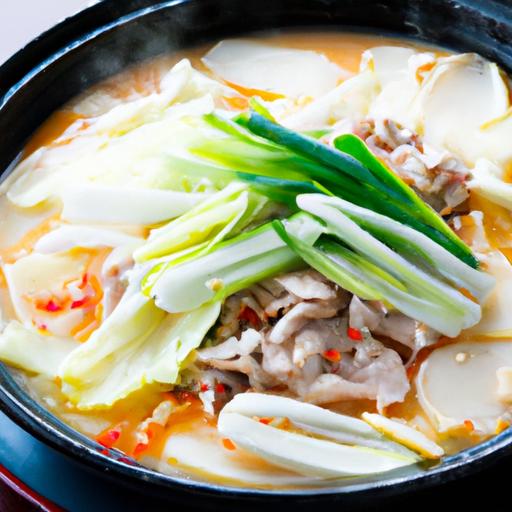

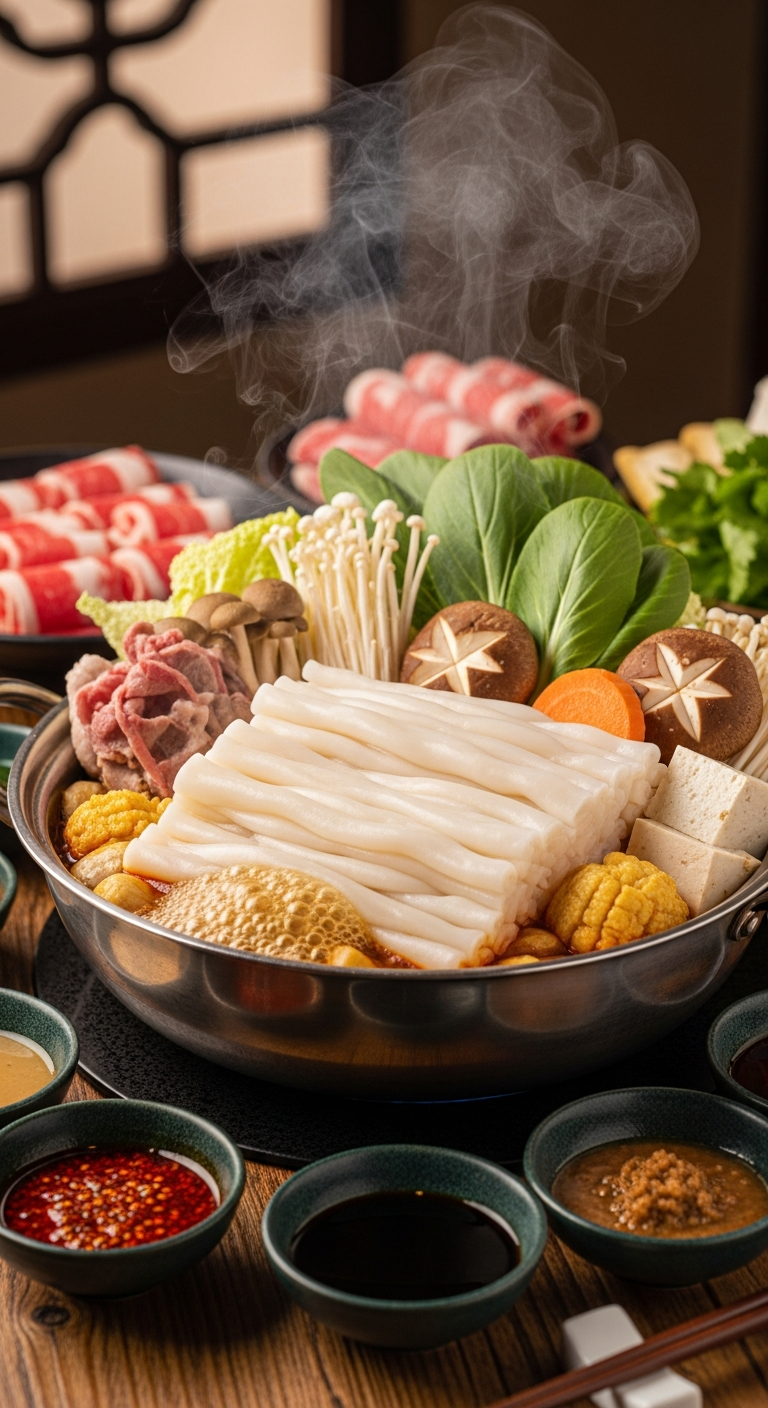
When the chill of evening settles in and comfort becomes a craving, few dishes welcome the soul quite like a steaming pot of rice stick hot pot. this beloved culinary tradition, with its tender strands of rice noodles swimming in fragrant, savory broth, invites diners to gather around the table and savor warmth in every bite. Beyond its comforting embrace, rice stick hot pot is a celebration of textures, flavors, and shared moments-a culinary experience that transcends mere sustenance. In this article, we journey into the heart of this delightful dish, uncovering its origins, essential ingredients, and the simple joys it brings to kitchens and dining rooms alike. Prepare to explore how a humble pot can become a vessel of warmth, flavor, and togetherness.
Origins and cultural Importance of Rice Stick Hot Pot
Savor the Warmth of rice stick hot pot, a beloved culinary tradition that traces its roots to the bustling street markets and humble kitchens of Southeast Asia. This communal dish,centered on tender rice sticks simmered in a fragrant broth,embodies the spirit of gathering – where conversation flows as freely as the broth.Its origins date back centuries, evolving through generations and regions, from spicy Thai variants to more herbal vietnamese and Chinese styles. Each culture brings unique ingredients and customs, yet all underscore warmth, unity, and nourishment during colder months or celebratory occasions.
The ritual of sharing rice stick hot pot reflects more than just a meal-it’s a symbol of connection. Families and friends gather around steaming pots filled with fresh produce, thin slices of meat, seafood, and vibrant herbs, encouraging a slow, mindful dining experience. Understanding this background not only deepens recognition but also inspires authenticity when preparing the dish at home.
Choosing the Perfect Broth to Enhance Every Bite
The backbone of any memorable rice stick hot pot is the broth,which magnifies every ingredient’s flavor and unites them in harmony. Classic broths range from light and aromatic chicken or vegetable stocks to deeply infused beef or pork bases infused with fragrant lemongrass,ginger,and star anise. For adventurous palates, spicy tom yum-style broths add a zesty, citrus bite that cuts through the chewy texture of rice sticks.
To craft the perfect broth:
- Start with a clear homemade stock for purity and depth.
- Incorporate aromatics such as garlic, ginger, and fresh herbs to awaken the senses.
- Balance umami elements with soy sauce, fish sauce, or miso for complexity without overpowering.
- Adjust heat levels using fresh chili or chili oil to suit your guests’ taste.
Let your broth simmer slowly for at least an hour to meld flavors, ensuring every spoonful transports you to a cozy, communal dinner setting where rice sticks soak up the essence perfectly.
Essential Ingredients and Flavor Pairings for an Authentic experience
Authentic rice stick hot pot shines brightest with thoughtful ingredient choices that complement its delicate noodles. The key is balance-pairing tender rice sticks with fresh, colorful vegetables, protein options, and bold seasonings.
- Rice sticks (also called rice vermicelli): Medium thickness works best for tender yet considerable texture.
- Protein: Thinly sliced beef, chicken, pork, shrimp, or firm tofu add satisfying variety.
- Vegetables: Baby bok choy, napa cabbage, shiitake mushrooms, bean sprouts, and sliced carrots bring crunch and sweetness.
- Herbs and aromatics: Fresh cilantro, Thai basil, green onions, and lime wedges elevate freshness.
- Seasonings: Fish sauce, soy sauce, chili flakes, garlic, and ginger harmonize the broth and toppings.
Thes components, carefully combined, create layers of flavor and texture that invite repeat tastings and communal sharing.
Tips for Cooking Rice Sticks to Tender Perfection
Mastering the rice sticks requires a delicate touch to achieve that ideal softness without slipping into mushy territory. Here are expert tips for precision:
- Soak the rice sticks in warm water for 20-30 minutes before cooking; this softens them gently and shortens cooking time.
- Cook them separately in boiling water for 2-3 minutes untill just tender (al dente), then drain and rinse under cold water to halt cooking.
- Reserve a bit of hot broth to briefly warm the noodles when ready to serve, ensuring they stay moist but firm.
- Add rice sticks only at the final stage of the hot pot experience to prevent overcooking as guests continue to simmer other ingredients.
- Use tongs or chopsticks to gently separate sticks after draining to avoid clumping or breakage.
These steps guarantee every bite delivers the signature chew that is both irresistible and authentic.
Prep and Cook Time
- Preparation: 30 minutes (includes soaking rice sticks and chopping ingredients)
- Cook Time: 1 hour 15 minutes (broth simmering and final assembly)
Yield
Serves 4-6 hearty portions, perfect for a cozy family meal or intimate gathering.
Difficulty Level
Medium – approachable with some prep but rewarding in its layered flavors.
Ingredients
- 200g rice sticks (medium thickness)
- 1.5 liters chicken or vegetable broth, homemade or high-quality store-bought
- 300g thinly sliced beef or chicken (optional for vegetarian)
- 100g shrimp, peeled and deveined
- 100g baby bok choy, halved
- 100g shiitake mushrooms, sliced
- 1 small carrot, julienned
- 1 cup napa cabbage, shredded
- 3 cloves garlic, minced
- 1-inch piece ginger, sliced thin
- 2 tbsp fish sauce
- 1 tbsp soy sauce
- 1 tsp chili flakes, optional
- Handful fresh cilantro leaves
- handful Thai basil leaves
- 2 green onions, chopped
- Juice of 1 lime
Instructions
- Prepare the broth: In a large pot, combine broth, garlic, ginger, fish sauce, soy sauce, and chili flakes. Bring to a gentle boil,then reduce to simmer for 45 minutes to 1 hour,allowing flavors to meld deeply.
- Soak rice sticks: While broth simmers,place rice sticks in a large bowl with warm water. Let soak for 20-30 minutes until pliable.
- Prepare proteins and vegetables: Arrange beef/chicken slices, shrimp, bok choy, mushrooms, carrot, and cabbage on serving platters for easy access during the meal.
- Cook rice sticks: Bring a separate pot of water to a boil. Add soaked rice sticks and cook for 2-3 minutes until tender but firm. drain promptly and rinse under cold water to stop cooking.Drizzle lightly with oil to prevent sticking if desired.
- assemble hot pot: Bring broth back to a simmer on the table (using portable burner if possible). guests can add their preferred proteins and vegetables in stages, dipping cooked items into lime juice and fresh herbs for brightness.
- Warm rice sticks: Add a handful of rice sticks to the broth just before serving, warming them through without overcooking. Scoop carefully with chopsticks or tongs.
- Garnish and serve: Sprinkle with cilantro, Thai basil, and green onions. Offer extra lime wedges and chili flakes for customization.
Chef’s Tips for Success
- Broth variation: Experiment with adding lemongrass or kaffir lime leaves for a citrusy punch.
- Protein alternatives: Substitute tofu or seitan for a full vegetarian experience.
- Rice stick texture: Avoid over-soaking; sticking noodles signal too much water absorption.
- Make-ahead broth: Prepare broth a day in advance to deepen flavor; refrigerate and skim fat before use.
- Leftovers: Store broth and components separately. reheat broth and refresh noodles quickly for next-day enjoyment.
Serving Suggestions
Present your rice stick hot pot in a large, shallow pot placed centrally for sharing. Provide diners with individual bowls and small plates to catch cooked morsels and broth. Garnish liberally with fresh herbs, add a side of pickled vegetables for contrast, and dip cooked meats in a tantalizing sauce of soy, garlic, and chili oil to accentuate textures. Pair with a fragrant jasmine tea or a crisp white wine to complement each savory spoonful.
| Nutrient | Amount Per Serving |
|---|---|
| Calories | 350 kcal |
| Protein | 28g |
| Carbohydrates | 40g |
| Fat | 6g |

For a deeper dive into amazing broth recipes, see our Complete Guide to Homemade Broths. for cultural insights on hot pot traditions globally, visit
National Geographic’s feature on communal hot pot.
Q&A
Q&A: Savor the Warmth – Exploring the Delight of Rice Stick Hot pot
Q1: What exactly is Rice Stick Hot Pot?
A1: Rice Stick Hot Pot is a comforting,broth-based dish where silky,translucent rice sticks-thin strands made from rice flour-are cooked alongside an array of fresh ingredients like vegetables,meats,and seafood. Think of it as a flavorful, communal stew that invites both warmth and togetherness.
Q2: How did rice Stick Hot Pot originate?
A2: Rooted deeply in East Asian culinary traditions, Rice Stick Hot Pot evolved as a humble, resourceful meal during colder months. Using rice sticks as a staple carbohydrate, families crafted nourishing pots brimming with seasonal produce and savory broths, turning simple ingredients into a heartwarming feast.
Q3: What makes rice sticks unique in hot pot dishes?
A3: Unlike thicker noodles or dumplings, rice sticks offer a delightfully chewy yet tender texture that effortlessly soaks up the rich, aromatic broth. Their delicate nature allows the flavors of spices,herbs,and broth to sing in every bite,creating a harmony that is both subtle and satisfying.
Q4: Can Rice Stick Hot Pot be customized to different tastes?
A4: Absolutely! One of the greatest joys of this dish is its versatility. You can tailor the broth-from spicy and fiery to mild and herbaceous-and add proteins like chicken, beef, tofu, or ocean-fresh seafood. Vegetables such as bok choy, mushrooms, and bamboo shoots add crunch and color, making every pot a unique canvas.
Q5: What’s the best way to enjoy Rice Stick Hot Pot?
A5: It’s a dish best enjoyed slow and social. Gather around a steaming pot with family or friends, scoop out the mix of rice sticks, broth, and goodies, and sip warm tea alongside. Allow the soothing steam to lift your spirits and the rich tastes to comfort your soul.
Q6: Are there any health benefits to Rice Stick Hot Pot?
A6: Certainly. Rice sticks are gluten-free and generally easy to digest. Combined with nutrient-rich vegetables, lean proteins, and broth often simmered with medicinal herbs or aromatics, the dish balances nourishment with indulgence-perfect for revitalizing body and mind during chilly days.
Q7: How do I prepare Rice Stick Hot Pot at home?
A7: Start by soaking rice sticks briefly to soften them.Simmer a flavorful broth using ingredients like ginger, garlic, star anise, and chili. Add your choice of proteins and fresh vegetables in stages so everything cooks perfectly. Toward the end, toss in the rice sticks and let them absorb the savory goodness. Serve piping hot, and prepare to be delighted!
Q8: Any tips for elevating the experience?
A8: Pair your hot pot with dipping sauces-think tangy soy-based blends or spicy chili oil-to add layers of flavor. Don’t shy away from experimenting with herbs like cilantro or mint for brightness. And most importantly, let the ritual of sharing this warm, soulful dish make every meal memorable.
In Conclusion
As the steam rises and the rich aromas of the rice stick hot pot weave through the air, you’re reminded that this beloved dish is more than just a meal-it’s an experience steeped in tradition, warmth, and communal joy.Whether you’re dipping into its comforting broth on a chilly evening or gathering around the bubbling pot with friends and family, the delight of rice stick hot pot lies in its ability to bring people together, one savory bite at a time. So next time you seek both nourishment and connection, let the humble rice stick hot pot be your guide to savoring warmth in every sense of the word.