
In the vibrant world of flavors, few culinary traditions captivate the palate quite like the tangy embrace of fermented pickles and the creamy richness of hummus.These age-old delicacies, steeped in history and culture, transform simple ingredients into dynamic expressions of taste and texture. From sun-kissed fields to bustling market stalls, the art of fermentation weaves science and tradition into each jar and bowl, revealing a story of patience, probiotic magic, and global party. join us as we explore the captivating craft behind fermented pickles and hummus, where time-honored methods meet modern appetites in a symphony of zest and nourishment.
Tangy Traditions have long shaped global cuisine, transforming humble ingredients into vibrant, flavorful staples that celebrate the alchemy of fermentation. From the crisp snap of perfectly tangy pickles to the velvety embrace of authentic hummus, mastering these time-honored techniques unlocks a world of gastronomic delight. The fermentation process, steeped in millennia of cultural heritage, not only preserves but enhances, creating dishes with character, depth, and a wholesome probiotic boost.
Prep and Cook Time
- Pickles: Prep Time: 20 minutes | Fermentation Time: 7-14 days
- Hummus: prep and Cook Time: 10 minutes + Soak time for chickpeas (overnight)
Yield
- Pickles: Approximately 4 cups of fermented pickles
- Hummus: Serves 4-6 as a dip or spread
Difficulty Level
- Pickles: Medium (requires close attention to fermentation environment)
- Hummus: Easy (minimal cooking skills, mostly blending)
Ingredients
- For the Fermented Pickles:
- 2 lbs small cucumbers (Kirby or pickling variety), scrubbed
- 4 cups filtered water
- 2 tablespoons sea salt (non-iodized)
- 4 cloves garlic, peeled and lightly crushed
- 1 tablespoon dill seeds or 4 fresh dill sprigs
- 1 teaspoon black peppercorns
- Optional: 1 dried bay leaf or 1 small piece of horseradish root
- For the Authentic Hummus:
- 1 cup dried chickpeas (soaked overnight) or 2 cups cooked/canned, rinsed
- 1/4 cup tahini (well-stirred)
- 3 tablespoons fresh lemon juice
- 2 cloves garlic, minced
- 1/2 teaspoon ground cumin
- 1/4 cup cold water (adjust for texture)
- 2 tablespoons extra virgin olive oil, plus more for garnish
- Salt to taste (start with 1/2 tsp)
Instructions
- Prepare the Brine: Dissolve 2 tablespoons sea salt in 4 cups filtered water to create a salty base essential for safe fermentation.Use non-iodized sea salt to avoid inhibiting bacterial activity.
- Pack the Pickles: Place garlic, dill seeds, peppercorns, and optional bay leaf or horseradish into a clean fermentation vessel. Pack cucumbers tightly, ensuring minimal air pockets but leave enough room for brine coverage.
- Submerge and Seal: Pour the brine over the cucumbers, ensuring full coverage (use a fermentation weight if available). Cover with a loosely fitted lid or cloth to allow gases to escape while keeping contaminants out.
- Fermentation: Store the vessel at room temperature, ideally between 65-75°F (18-24°C). Check daily to ensure cucumbers remain submerged,removing surface scum if any appears. Begin tasting around day 7. Ferment up to 14 days for a deeply tangy crunch.
- Prepare the Chickpeas: Drain soaked chickpeas. For a silkier hummus, peel each chickpea by gently squeezing to slip off the skins-an optional but transformative step.
- Blend the Hummus: In a food processor, combine chickpeas, tahini, lemon juice, garlic, cumin, and salt. Pulse while gradually adding cold water to reach a creamy, smooth texture.
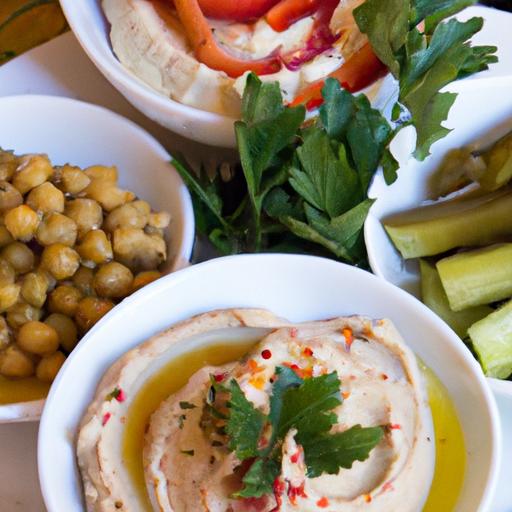
- Adjust and Finish: taste and adjust seasoning. Drizzle olive oil while blending to emulsify and enrich the texture. Transfer to a serving dish, garnish with a drizzle of olive oil, a sprinkle of smoked paprika, or freshly chopped parsley.
tips for Success
- Fermented Pickles: Experiment with spices like mustard seeds, chili flakes, or coriander seeds to personalize your tangy traditions. Always keep vegetables submerged to prevent mold formation.
- Hummus: For a nuttier flavor, lightly toast your tahini before blending. if fresh chickpeas aren’t available, canned is fine-simply rinse thoroughly.
- Make-Ahead: Pickles improve in flavor over days and can be stored refrigerated for several months. Hummus can be refrigerated for up to 5 days and is excellent served chilled or at room temperature.
- Common Pitfalls: Cloudy brine is normal; however, foul smells or fuzzy mold indicate spoilage-discard and restart.
Serving Suggestions
Serve your fermented pickles as a zesty companion to sandwiches, charcuterie boards, or barbecued meats. For a rustic presentation, layer slices in a vintage jar with sprigs of fresh dill and lemon wedges.
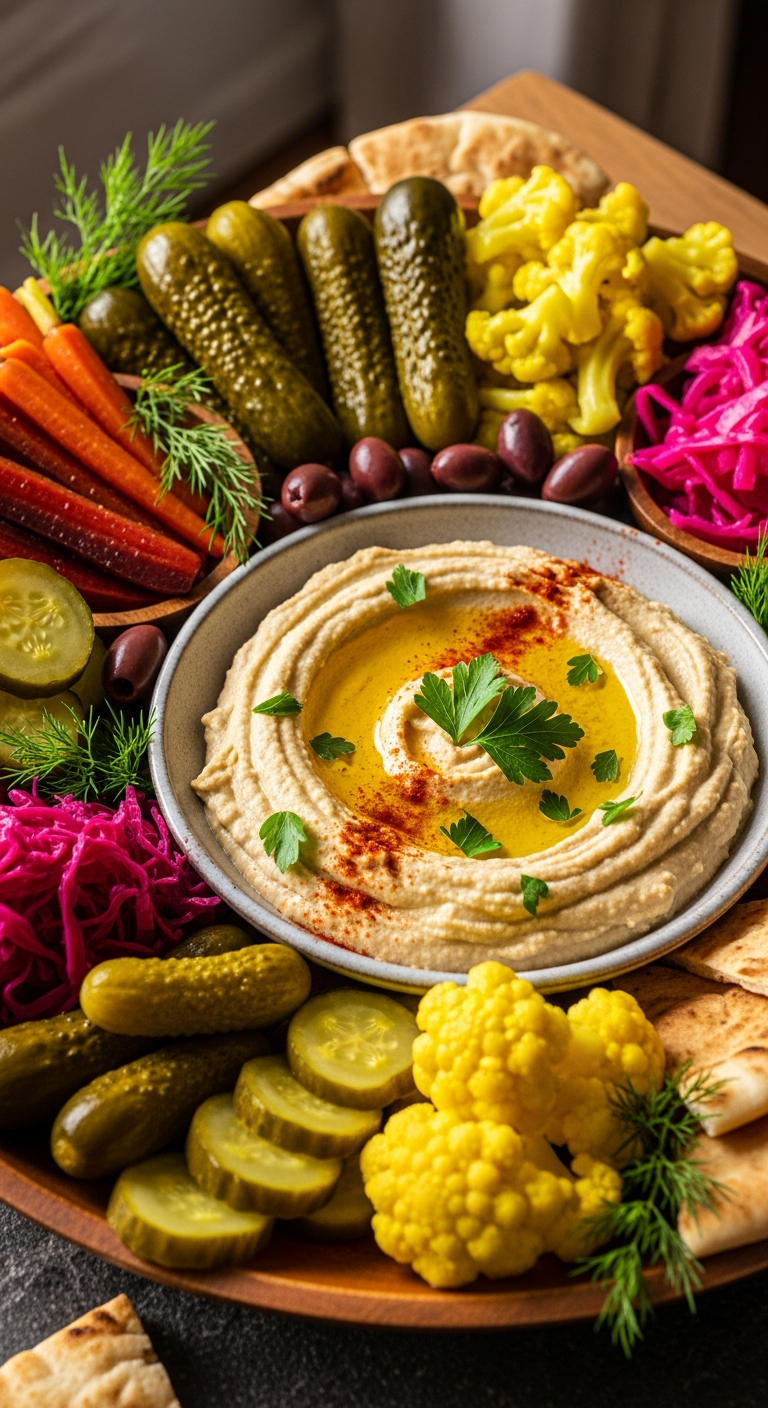
Complement the authentic hummus with warm pita bread, crisp vegetable crudités, or dollops atop grain bowls.Garnish with a sprinkle of toasted pine nuts or sumac for a pop of texture and color.

| Nutritional Content (per serving) | Fermented Pickles | Hummus |
|---|---|---|
| Calories | 25 | 180 |
| Protein (g) | 1 | 6 |
| Carbohydrates (g) | 4 | 15 |
| Fat (g) | 0 | 12 |
To dive deeper into fermenting vegetables safely and creatively, explore our related guide on homemade vegetable fermentation. For scientific insights on fermentation benefits,visit the national Library of Medicine’s research archive.
Q&A
Q&A: Tangy Traditions – The Art of Fermented Pickles & Hummus
Q1: What makes fermented pickles different from regular pickles?
Fermented pickles are alive! unlike their vinegar-soaked cousins, these pickles undergo a natural fermentation process where beneficial bacteria feast on the cucumbers’ sugars, producing lactic acid. This tangy brine creates a complex, zesty flavor and a satisfying crunch, all while preserving the pickle naturally and boosting gut health.Regular pickles, meanwhile, get their tang from vinegar and lack those probiotics.
Q2: How does fermentation enhance the flavor and nutrition of pickles?
Fermentation is like a flavor symphony conducted by microbes. as lactobacillus bacteria break down sugars, they produce acids that deepen the pickle’s taste with layers of tang, umami, and subtle funkiness. Nutritionally, this process increases bioavailable vitamins, enzymes, and probiotics that support digestion and immunity, making every tangy bite a healthful delight.
Q3: Can you ferment hummus too, or is it only for pickles?
Absolutely! Fermentation isn’t just for vegetables. Traditional hummus benefits from fermenting chickpeas to improve digestibility and add a hint of sour brightness.Some artisanal hummus recipes incorporate a fermenting step or add cultured ingredients like yogurt or kefir to boost probiotics.The result? A creamier, more complex dip that dances on your palate with layers of depth.
Q4: What’s the past story behind fermented pickles and hummus?
Fermented pickles date back thousands of years to ancient Mesopotamia and Egypt, cherished for preserving seasonal bounty and adding piquant flair to everyday meals. Hummus, with roots in the Levant, has long been a staple humble dish, evolving through cultures into a beloved spread. Both foods embody human ingenuity in using fermentation as a preservation and flavor-enhancing art, connecting us to shared culinary heritage.
Q5: How can beginners start fermenting their own pickles at home?
start simple! Choose fresh cucumbers and a good quality sea salt to make a brine. Submerge the cucumbers fully in this salty water in a clean jar, keep them at room temperature, and wait patiently-usually about 1-2 weeks. You’ll know they’re ready when the brine smells pleasantly sour and bubbles appear.Remember to keep everything clean to invite the good bacteria in and keep mold out.
Q6: What tips do you have to elevate homemade hummus with fermentation techniques?
To add a ferment-inspired twist, soak your dried chickpeas overnight, then cook and mash them with a splash of fermented liquids like kefir whey or a spoonful of sauerkraut juice. let the blended hummus rest in the fridge for a day to deepen flavors. Add traditional ingredients-tahini, garlic, lemon-and a pinch of salt to balance the tang. The gentle fermentation adds a subtle zing and a probiotic punch.
Q7: Why is the “tang” in fermented foods so compelling to our taste buds?
Tanginess awakens our palate by engaging taste receptors sensitive to acidity, which brightens flavors and balances richness.It adds excitement and complexity, making fermented foods like pickles and hummus irresistibly crave-worthy. This sharp zing is nature’s way of signaling freshness and vitality-qualities that have made fermented foods beloved worldwide for millennia.
Q8: Where can one enjoy the best of fermented pickles and hummus in modern cuisine?
From bustling street markets to high-end restaurants, fermented pickles and hummus shine in diverse dishes-think crunchy pickle garnishes on gourmet sandwiches or creamy hummus paired with spicy fermented veggies. They star in fusion bowls, elevate snack platters, and add that perfect tang to salads and sauces. Exploring them opens a flavorful portal into tradition with every bite.
By embracing the art of fermentation, we celebrate a timeless craft that transforms simple ingredients into vibrant, tangy treasures-connecting us to ancient traditions and nourishing our bodies and souls. Ready to dive in? Your next batch of pickles and bowl of hummus await!
Final Thoughts
As we close this flavorful journey through the tangy traditions of fermented pickles and hummus, it’s clear that these ancient culinary arts are more than just recipes-they are living stories of culture, patience, and conversion. From the humble cucumber bubbling in a brine to the creamy chickpea blend nurtured through fermentation,each bite carries a legacy of natural preservation and probiotic magic. Embracing these time-honored techniques not only enriches our plates but also reconnects us with a deeper appreciation for the slow, intentional rhythms of food. So, next time you savor that zesty crunch or velvety scoop, remember-you’re tasting history in motion, a tasty dance of science and tradition that continues to enliven our tables today.