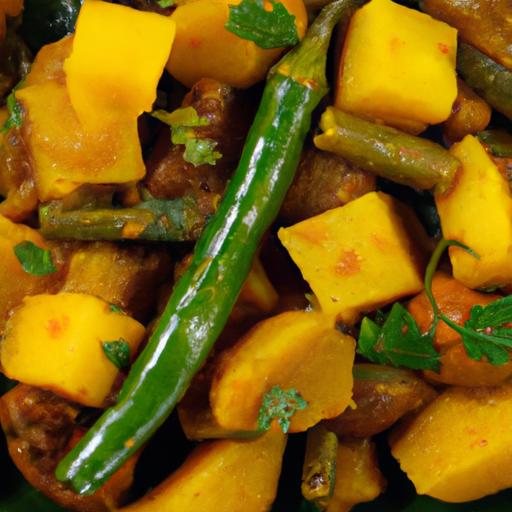

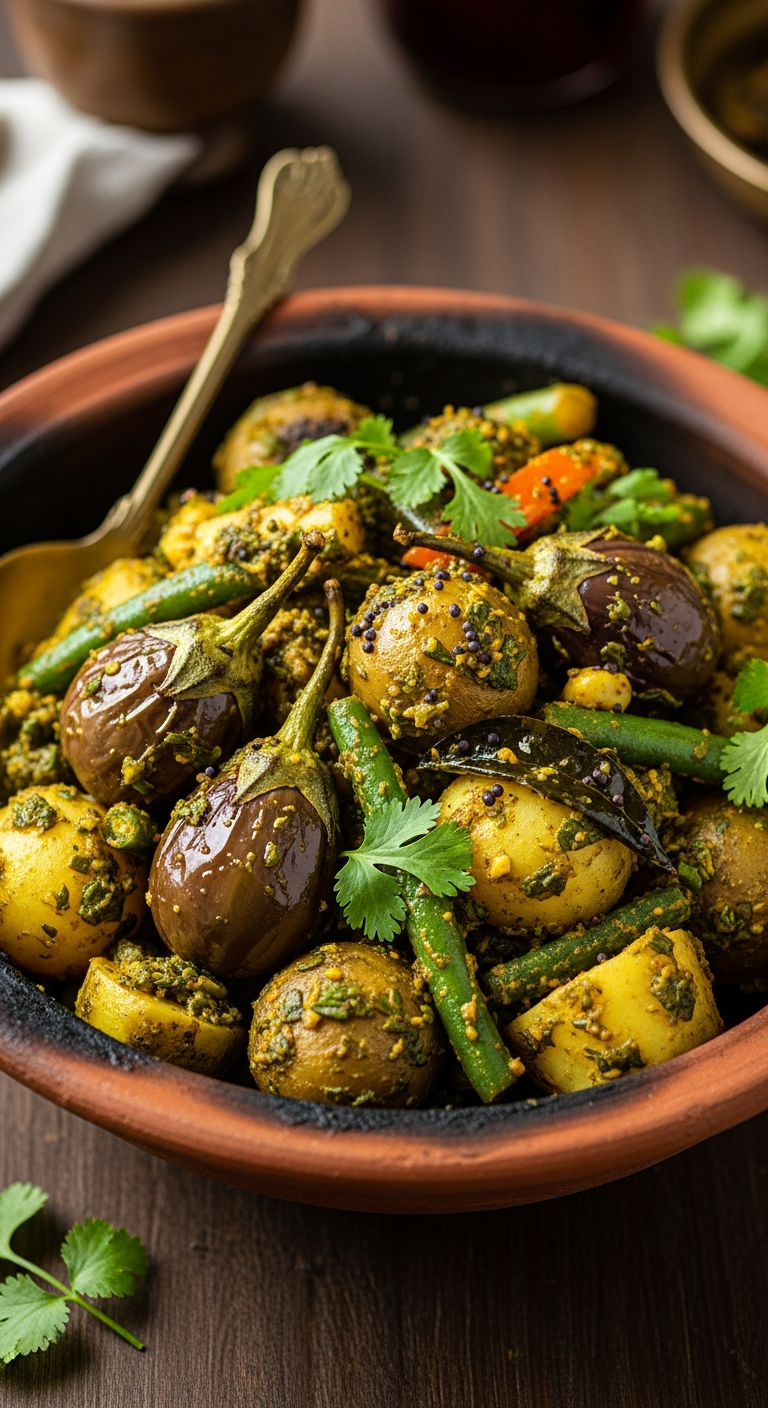
As winterS chill sweeps across teh vibrant landscapes of Gujarat, kitchens come alive with the aromatic symphony of a beloved culinary tradition-Undhiyu. This classic winter vegetable feast is more than just a dish; it’s a festivity of the season’s bounty, a mosaic of textures and flavors meticulously slow-cooked to perfection. From the earthy notes of fresh green beans and eggplants to the subtle sweetness of purple yam and raw bananas, Undhiyu embodies the harmonious dance of nature’s finest produce. Join us as we unveil the rich heritage, intricate preparation, and seasonal magic that make Undhiyu an enduring emblem of Gujarat’s winter festivities.
Undhiyu is an extraordinary celebration of Gujarat’s winter bounty, where a vibrant medley of seasonal vegetables and aromatic spices come together in a symphony of flavors. This dish perfectly embodies the culinary tradition of Gujarat, with every bite offering an authentic taste steeped in history and heritage. From the earthy methi muthiyas to the tender eggplants and fresh beans, each ingredient is treated with respect through slow cooking techniques that coax out its full potential, making every serving a comforting feast.
Prep and Cook Time
Preparation: 40 minutes | Cooking: 2 hours 30 minutes | Total: 3 hours 10 minutes
Yield
Serves 6-8 hearty portions
Difficulty Level
Medium – perfect for home cooks eager to master traditional Gujarati cuisine with patience and flair
Ingredients
- 1 cup muthia dough: 1 cup fenugreek leaves (methi), finely chopped, mixed into 1 cup gram flour, 1 teaspoon red chili powder, 1 teaspoon coriander powder, 1 teaspoon sugar, 1 tablespoon oil, and salt to taste
- 2 medium surti papdi (flat beans), chopped into 2-inch pieces
- 1 cup tindora (ivy gourd), sliced lengthwise
- 4 medium eggplants, slit but kept whole
- 1 cup sweet potatoes, diced
- 1 cup green peas, fresh or frozen
- 1 cup purple yam (ratalu), peeled and cubed
- 1/2 cup green garlic, finely chopped
- 2 tablespoons coriander seeds, soaked overnight and ground to a rough paste
- 2 teaspoons cumin seeds
- 1 teaspoon asafoetida (hing), for that signature earthiness
- 4 dried red chilies, soaked and ground into a paste
- 1/3 cup jaggery, grated
- 2 tablespoons lemon juice
- 1/2 cup fresh coriander leaves, chopped finely
- 3 tablespoons sesame seeds, toasted and ground
- 4 tablespoons peanut oil, or as needed
- Salt, to taste
- Water, as required for cooking and dough consistency
instructions
- Prepare the muthias: In a bowl, mix fenugreek leaves with gram flour, chili powder, coriander powder, sugar, salt, and oil. Add water gradually to form a soft dough. Shape into small cylindrical rolls around 1 inch long.
- Steam the muthias: Place the muthias in a steamer basket and steam for 15-20 minutes until firm.Set aside.
- Prepare the spice paste: In a mortar and pestle or blender, combine soaked coriander seeds, cumin, asafoetida, red chili paste, jaggery, lemon juice, sesame seed powder, and salt. Add a little water to form a thick, aromatic paste.
- sauté the vegetables: Heat peanut oil in a heavy-bottomed pot. Add eggplants and sauté lightly until they start to soften, about 5 minutes. Add sweet potatoes, yam, tindora, and beans, stirring well to coat with oil and spices.
- Add the spice paste: Pour the prepared spice paste over the vegetables, stirring gently to cover all pieces without breaking them.
- Incorporate the muthias and peas: Gently nestle the steamed muthias into the vegetable mixture. Add green peas and green garlic. add enough water to just cover the ingredients. Cover the pot and cook on low heat for 1.5 to 2 hours, stirring occasionally to prevent sticking.
- Final adjustments: Once vegetables are tender and muthias have absorbed flavors, check seasoning and add salt or lemon juice if needed. The dish should have a thick, stew-like consistency.
- Garnish and serve: Sprinkle freshly chopped coriander over the hot Undhiyu before serving.
Tips for Success
- Choosing vegetables: Fresh,seasonal winter vegetables are key. If you cannot find Surti papdi, substitute with French beans for similar texture.
- Slow cooking is crucial: Patience will reward you with deep, layered flavors. Use a heavy-bottomed pot or a traditional handi to maintain even heat.
- Make muthias ahead: Muthias can be steamed the day before and refrigerated. Gently warm them through in the curry when assembling.
- Jaggery balance: Adjust jaggery based on sweetness preference, as it balances the tangy and spicy elements beautifully.
- Oil essential: use peanut or mustard oil for authentic Gujarati flavor; avoid olive or vegetable oils that alter taste.
Serving Suggestions
Serve Undhiyu piping hot, garnished with fresh coriander. It pairs exquisitely with fluffy Surati bajra rotla or soft phulkas.Accompany this feast with a dollop of fresh homemade butter (makhan) or a side of kadhi (a tangy yogurt-based curry) to enhance the richness.For dessert, traditional sweets like Shrikhand or basundi provide the perfect sweet finale to this wholesome meal.

| Nutrient | Per Serving |
|---|---|
| Calories | 320 kcal |
| protein | 10 g |
| Carbohydrates | 45 g |
| Fat | 10 g |
Explore more about Gujarat’s rich culinary heritage with Gujarat’s Winter Recipes Collection to fully immerse yourself in the seasonal sensations of this vibrant cuisine.
For authentic spice sourcing, visit the Spices Inc. website, a trusted global leader offering premium traditional Indian spices.
Q&A
Q&A: Undhiyu unveiled – Gujarat’s Classic Winter Vegetable Feast
Q1: What is Undhiyu,and why is it so special?
A1: undhiyu is a quintessential Gujarati delicacy,celebrated as the crown jewel of winter feasts. Its name derives from the Gujarati word “undhu,” meaning “upside down,” referencing the traditional cooking method where the mixed vegetables are slow-cooked upside down underground in earthen pots. This technique infuses the dish with deep, layered flavors, making it a heartwarming celebration of seasonal harvest and culinary artistry.
Q2: Which vegetables make Undhiyu unique?
A2: Undhiyu is a vibrant medley of winter vegetables like purple eggplant (brinjal), small green beans (surti papdi), sweet potatoes, yam (ratala), raw bananas, and in some variations, muthia (fenugreek dumplings). The vegetables are chosen for thier robust textures and flavors, which harmonize beautifully during the slow-cooking process, creating a mosaic of tastes that sing on the palate.
Q3: How is Undhiyu traditionally prepared?
A3: Traditionally, Undhiyu is prepared by marinating each vegetable with a blend of aromatic spices and besan (gram flour) paste, then layering them carefully in a heavy earthen vessel. The pot is then sealed with dough and placed upside down near a wood fire or underground to slow cook for several hours. This ancient technique allows the spices to meld deeply with the vegetables, resulting in a tantalizingly fragrant and hearty dish.
Q4: When is Undhiyu typically enjoyed?
A4: Undhiyu is lovingly prepared during the winter months, especially around january to February, when its key ingredients are in season. It’s a festive staple during Ugadi and Uttarayan (the kite-flying festival), bringing families together around the dining table to savor its richness and celebrate gujarat’s bountiful winter harvest.
Q5: What makes Undhiyu more than just a vegetable curry?
A5: Beyond its ingredients and preparation, Undhiyu embodies the spirit of Gujarati community and tradition. It’s a labor of love, often made in large quantities to share with extended family and guests, symbolizing abundance and hospitality. Its complex layers of texture and flavor-crispy, soft, spicy, and sweet-make it much more than a curry; it is a festive experience, a comforting story told through food.
Q6: How can one best enjoy Undhiyu at home?
A6: Undhiyu is best enjoyed piping hot, paired with flaky puris, roti, or fragrant basmati rice. Complement it with crisp radish salad, tangy green chutney, and sweet shrikhand yogurt to balance the spice and richness. Take your time to savor each bite; like any classic, Undhiyu’s magic unfolds slowly, rewarding patience with its soulful flavors.
Q7: Is Undhiyu adaptable for modern kitchens?
A7: Absolutely! While the traditional method is cherished, modern kitchens can recreate undhiyu using heavy-bottomed pots or slow cookers to mimic the slow-cooked magic. The essence lies in the meticulous layering of marinated vegetables and allowing time for flavors to develop.This beloved winter feast can be brought alive anywhere, preserving its heritage with every delicious bite.
In Retrospect
As the winter chill settles over Gujarat, Undhiyu emerges not just as a dish, but as a vibrant celebration of the season’s bounty and the region’s rich culinary heritage. This classic vegetable feast, slow-cooked to perfection with an ensemble of spices and love, encapsulates the spirit of togetherness and tradition. Whether enjoyed steaming hot with puris or savored as a hearty meal, Undhiyu invites food lovers to experience the essence of Gujarati winter-colorful, comforting, and timeless. so next time you crave a taste of warmth and culture in one pot, remember Undhiyu, where every bite tells a story of the land and its people.