
nestled in the snowy heartlands of Japan’s Akita Prefecture lies a culinary treasure that marries tradition with comfort: Kiritanpo Delight. This humble yet hearty dish transforms simple ingredients into an irresistible feast, showcasing the art of warm, pounded rice skewers simmered in a savory hot pot broth. More than just a meal, Kiritanpo embodies a story of regional pride, seasonal party, and the timeless joy of gathering around a steaming pot. In this article, we dive into the origins, preparation, and cultural importance of Kiritanpo Delight-Japan’s comforting answer to cold winter nights and a tasty testament to the country’s rich gastronomic tapestry.
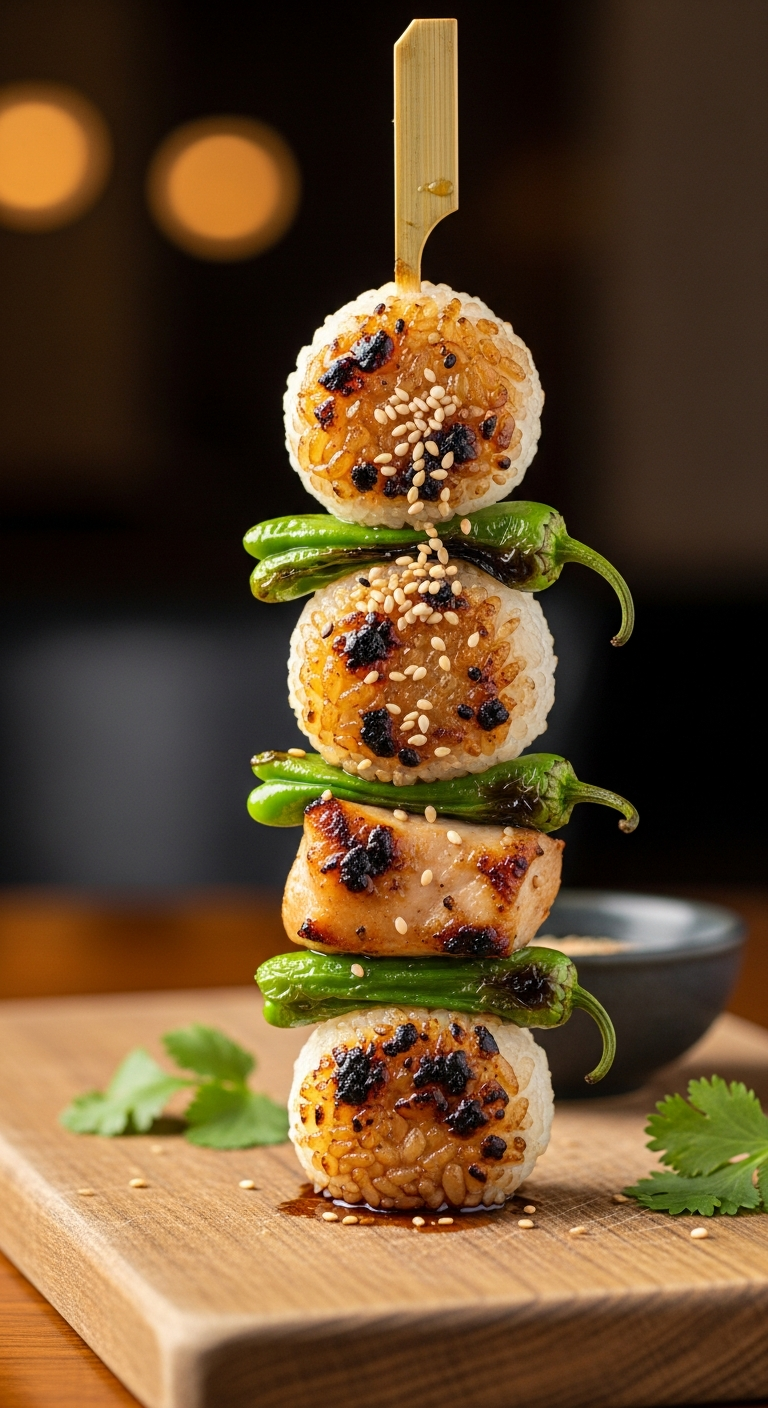
Kiritanpo Delight is a soul-warming Japanese dish that captures the rustic essence of Akita Prefecture’s mountainous regions. This hearty hot pot centers around pounded rice skewers, grilled to golden perfection and gently simmered in a savory broth loaded with local flavors. Every bite offers a delightful contrast of textures: the crispy exterior of the skewers gives way to tender, chewy rice inside, soaking up the rich umami from the pot. Having discovered this dish during a snowy retreat in northern Japan, I was instantly enchanted by how it embodies both comfort and tradition in every mouthful.
Prep and Cook time
- Preparation: 30 minutes
- Grilling and Simmering: 40 minutes
- Total Time: 1 hour 10 minutes
Yield
Serves 4 hearty portions
Difficulty Level
Medium – requires some hands-on technique with the rice and grilling, but approachable for an adventurous home cook
Essential Ingredients and Flavor profiles to elevate Your Kiritanpo Experience
- 2 cups Japanese short-grain rice (preferably freshly cooked, slightly sticky)
- 8 bamboo skewers, soaked in water for 30 minutes to prevent burning
- 4 cups dashi broth (homemade or quality store-bought)
- 200g chicken thighs, cut into bite-sized pieces
- 1 cup burdock root (gobo), thinly sliced
- 1 cup shiitake mushrooms, stems removed and sliced
- 1 leek, white and light green parts, chopped diagonally
- 2 tbsp soy sauce
- 1 tbsp sake
- 1 tsp mirin
- Salt to taste
- Sansho pepper (optional – adds authentic mild citrusy heat)
Crafting the Perfect Pounded rice Skewers
- Cook rice according to package instructions until very tender and sticky. Let it cool slightly to handle.
- Using wet hands, form each bamboo skewer by pressing a generous handful of rice around it, compacting firmly but gently to create an even layer about ¾ inch thick.
- Grill the skewers over medium heat, turning often, until lightly golden and crisp on all sides (about 10 minutes). This step locks in texture and adds smoky depth.
- Set skewers aside on a plate to prepare the hot pot broth and ingredients.
preparing the Kiritanpo Hot Pot
- In a large pot, combine dashi broth, soy sauce, sake, and mirin. bring to a gentle simmer over medium heat.
- Add chicken pieces and cook until nearly done, about 8 minutes.
- Introduce burdock root, shiitake mushrooms, and leek. Simmer until vegetables are just tender, around 5 minutes.
- add the grilled rice skewers to the pot and allow them to soak and soften slightly in the broth for 3-5 minutes.
- Season with salt to taste and finish with a light dusting of sansho pepper for aromatic complexity.
- Serve immediately, ladling hot broth and ingredients into each bowl along with a rice skewer.
Tips and Techniques for Serving and Savoring Kiritanpo Hot Pot Like a Local
- Use fresh seasonal vegetables to personalize the broth and deepen flavors - try adding sliced daikon or napa cabbage during colder months.
- When shaping rice skewers, wet your hands liberally; this prevents sticking and helps achieve a smooth, firm surface for even grilling.
- turn skewers regularly over the grill to avoid burning and ensure the characteristic nutty aroma.
- Don’t overcook the rice skewers in the broth. They should absorb flavor but retain a pleasantly chewy texture.
- For a vegetarian variation,substitute chicken broth for kombu dashi and add extra mushrooms and root vegetables.
- Pair your kiritanpo hot pot with crisp sake or a light green tea to balance the richness of the dish.
Serving Suggestions
Present the kiritanpo hot pot family-style in a rustic clay pot or donabe for authentic Japanese charm. Garnish with thinly sliced scallions or freshly grated yuzu zest to brighten the dish. Offer small bowls of shichimi togarashi (Japanese seven-spice) for an extra kick, and encourage guests to dip pieces of grilled skewer rice into a small dish of soy sauce mixed with a hint of chili oil or grated ginger.

| Nutrient | Per Serving |
|---|---|
| Calories | 380 kcal |
| Protein | 28 g |
| Carbohydrates | 45 g |
| Fat | 6 g |
To explore similar hearty Japanese hot pots, visit our Japanese Hot Pot Recipes Collection. For an in-depth cultural background on Akita cuisine, the Japan National Tourism institution offers great insights.
Q&A
Q&A: Kiritanpo Delight – Japan’s warm Pounded Rice Skewer Hot Pot
Q1: What exactly is Kiritanpo?
A1: Kiritanpo is a customary Japanese delicacy from the Akita Prefecture, made by pounding freshly cooked rice until it’s sticky and moldable, shaping it around cedar skewers, and toasting it over an open flame. The result is a crispy-on-the-outside, chewy-on-the-inside rice stick that’s both comforting and hearty.
Q2: How did Kiritanpo originate?
A2: Legend has it that Kiritanpo began as a practical hunter’s meal in northern Japan,designed to be portable and nourishing during long mountain treks. Over time, it evolved into a beloved regional specialty, celebrated especially during chilly autumn and winter months.
Q3: What makes Kiritanpo Hot Pot special compared to other Japanese hot pots?
A3: Unlike many hot pots that center on thinly sliced meats or seafood, Kiritanpo Hot Pot spotlights the textured rice skewers as the star ingredient. Their smokey crunch absorbs the rich dashi broth with tender chicken, vegetables, and local mushrooms, creating layers of comfort in every bite.
Q4: What ingredients typically go into a Kiritanpo Hot Pot?
A4: Aside from the signature skewered rice sticks, classic Kiritanpo Nabe (hot pot) includes free-range chicken, burdock root, Japanese mushrooms such as maitake and shiitake, negi (Japanese long onion), and a savory soy-based dashi broth frequently enough infused with sake and mirin.
Q5: How is Kiritanpo prepared at home?
A5: Making Kiritanpo at home is a joyful process: cook short-grain rice until soft, pound or mash it gently, than form around skewers and grill until golden and slightly charred. Simmer the broth with chicken and veggies, add the skewers towards the end to soak up the fragrant soup, and voilà-a warm bowl of layered textures and flavors!
Q6: Why is Kiritanpo considered a comfort food in Japan?
A6: Beyond its satisfying taste, Kiritanpo embodies the spirit of communal dining and seasonal harmony. Sharing a simmering pot of Kiritanpo during Japan’s colder months evokes feelings of home, warmth, and tradition, making it a cherished comfort food across generations.
Q7: Can vegetarians enjoy Kiritanpo?
A7: Absolutely! While the traditional recipe features chicken, vegetarians can recreate the comforting experience by substituting the broth with a kombu and shiitake dashi, and stacking the pot with hearty vegetables and mushrooms, letting the rice skewers soak up the rich umami flavors.
Q8: Where can travelers try authentic Kiritanpo?
A8: The best place to savor genuine Kiritanpo is Akita Prefecture, especially in local inns (ryokan) and specialty restaurants during the autumn and winter seasons. visitors will find both rustic home-style versions and refined takes that celebrate this regional treasure.Q9: What cultural significance does Kiritanpo hold?
A9: Kiritanpo isn’t just food-it’s a symbol of resilience and community spirit from a region known for its harsh winters. The labor-intensive method and communal cooking highlight cooperation and warmth, illustrating how food can forge bonds and celebrate local identity.
Q10: What makes Kiritanpo appealing to modern food lovers?
A10: Its unique texture, smoky aroma, and blend of simple yet profound flavors make Kiritanpo both an adventurous and comforting culinary experience. It resonates with today’s food lovers who crave authenticity, tradition, and soulful meals that connect them to place and history.
The Conclusion
As the steam rises from a simmering pot of Kiritanpo Delight, you’re not just savoring a meal-you’re partaking in a cherished tradition that warms the heart as much as the body. This humble skewer of pounded rice, born from the snowy mountains of akita, invites you to experience the comforting embrace of Japan’s countryside cuisine. Weather shared among family or discovered anew on a culinary adventure,Kiritanpo offers a taste of history,culture,and the simple joy found in every flavorful bite. So next time the chill sets in, let this golden skewer be your gateway to warmth, flavor, and the timeless charm of Japanese comfort food.