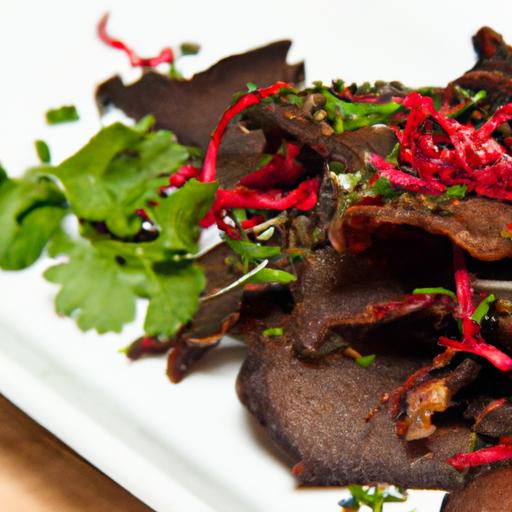

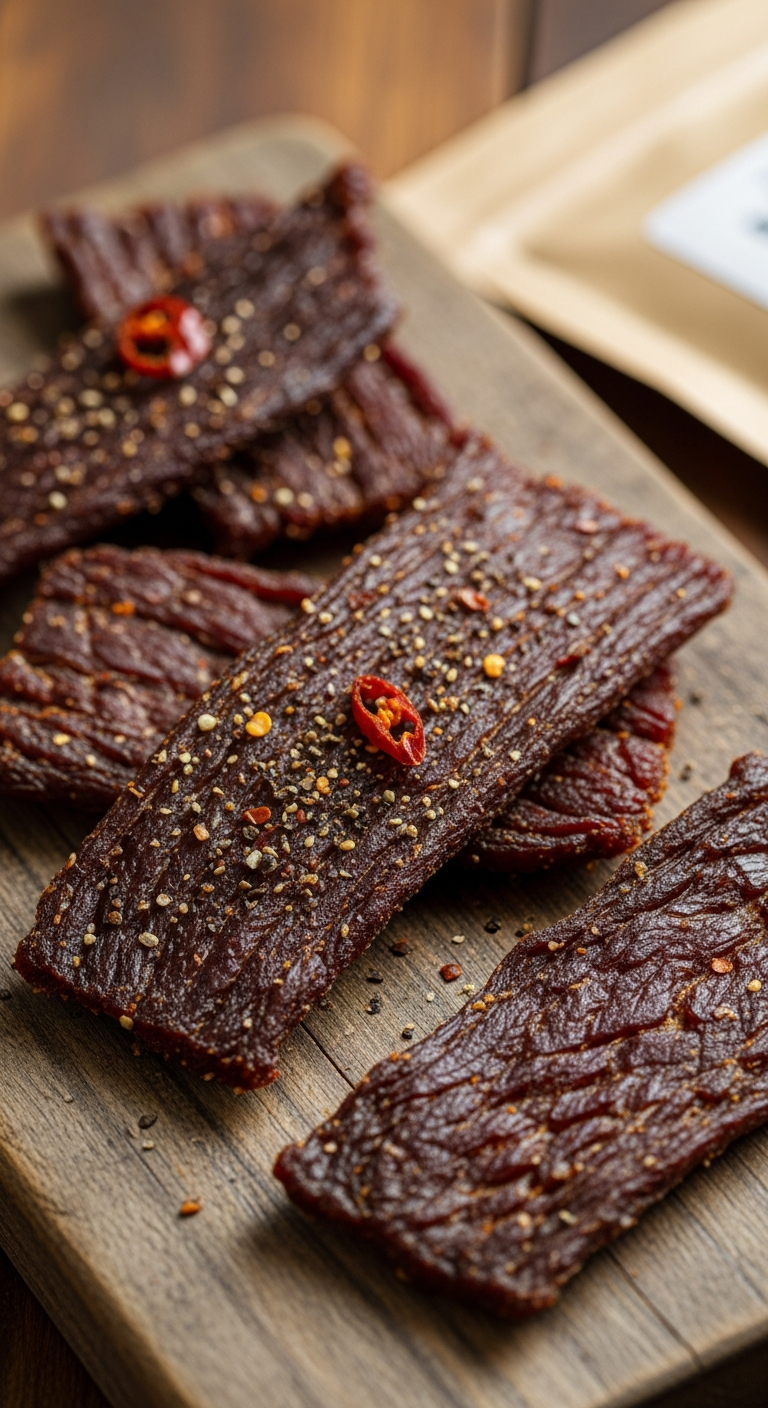
In a world where snacks come and go wiht fleeting trends, beef jerky stands tall as a timeless testament to flavor and tradition. This savory delight, with its chewy texture and robust taste, has roots stretching back centuries, fueling explorers, warriors, and adventurers alike.But beyond its rugged exterior lies a fascinating story-a journey of craftsmanship, culture, and innovation that continues to evolve with each tender bite. Join us as we unveil the secrets behind beef jerky, exploring its rich history, meticulous preparation, and the modern twists that keep this beloved snack both classic and captivating.
Origins and Evolution of Beef Jerky: Exploring Conventional Techniques and Modern Innovations
Beef Jerky unveiled takes us on a rich culinary journey from ancient preservation methods to today’s gourmet snack innovations.This savory treat, celebrated worldwide, began as a practical way to extend the shelf life of lean meat. Indigenous peoples across North America, such as the Native Americans, perfected drying thin strips of bison and deer using smoke from aromatic woods, infusing deep, earthy flavors. These traditional techniques emphasized natural preservation without refrigeration-an art blending patience, fire, and spice.
Fast forward to modern kitchens, and beef jerky unveils a new realm of flavor experimentation and textural refinement. Chefs combine time-honored smoking with advanced dehydration tools and creative marinades that meld global spices,sweeteners,and umami boosters. Whether it’s a sweet-chipotle glaze or a bold Korean gochujang marinade, the interplay between cured meat and vibrant flavors has skyrocketed, making jerky an exciting snack for connoisseurs and casual eaters alike.
Flavor Profiles decoded: Understanding Marinades, Spices, and Smoking Methods
at the heart of remarkable jerky is the marinade-a delicate balance of acid, salt, sweetness, and aromatics. Classic soy sauce, garlic, and freshly cracked black pepper provide a universally loved base. For a smoky backdrop,hickory or mesquite wood chips offer a robust,deep char,while fruit woods like apple or cherry lend a milder,sweeter smoke. Spices such as smoked paprika, cumin, and coriander add layers of warmth and complexity.
Experimenting with Asian-inspired ingredients like sesame oil, ginger, and chili flakes opens bold new taste pathways. The key is slow infusion: allowing the meat to soak and absorb nuances for 12 to 24 hours ensures every bite delivers a harmonious punch.
Selecting and Storing Beef Jerky: Tips for Maximum Freshness and Enjoyment
Selecting the perfect cut is essential. Opt for lean beef cuts like top round, eye of round, or sirloin tip-these minimize fat, which can spoil jerky over time. Slice against the grain to tenderize or with the grain for a chewier texture.
After preparing and drying your jerky, storing it correctly preserves flavor and texture. Use airtight containers or vacuum-sealed bags and keep jerky in a cool, dark place for up to a month. For longer storage, refrigeration or freezing maintains freshness for several months without compromising taste.
Prep and Cook Time
- Prep Time: 15 minutes (plus 12-24 hours marinating)
- cook Time: 4-6 hours (dehydrating or smoking)
Yield
- Approximately 8 servings (about 8 ounces of finished jerky)
Difficulty Level
- medium – Requires planning and attention to dehydration or smoking processes
Ingredients
- 2 pounds lean beef (top round or sirloin tip), thinly sliced
- 1/2 cup soy sauce
- 1/4 cup Worcestershire sauce
- 2 tablespoons brown sugar
- 1 tablespoon smoked paprika
- 1 teaspoon garlic powder
- 1 teaspoon onion powder
- 1 teaspoon black pepper, freshly ground
- 1/2 teaspoon red pepper flakes (optional for heat)
- 1 teaspoon liquid smoke (optional for extra smokiness)
Instructions
- Prepare the Beef: Freeze the beef for 30 minutes to firm up, then slice thinly against or with the grain, about 1/8 inch thick, for your preferred texture.
- Create the Marinade: In a mixing bowl, whisk together soy sauce, Worcestershire sauce, brown sugar, smoked paprika, garlic powder, onion powder, black pepper, red pepper flakes, and liquid smoke.
- Marinate the Meat: Submerge the beef slices in the marinade,cover tightly with plastic wrap,and refrigerate for 12 to 24 hours. Turn occasionally for even coating.
- Preheat the Dehydrator or oven: Set to 160°F (70°C). If smoking, prepare your smoker and preheat to 160°F, adding wood chips as desired.
- Drain and Arrange: remove beef from marinade, pat dry with paper towels to remove excess moisture. Lay strips in a single layer on dehydrator trays or wire racks, ensuring pieces don’t overlap.
- Dry the Jerky: Dehydrate for 4-6 hours, checking occasionally. Jerky is done when it is indeed dry but still pliable, bending without breaking.
- Cool and Store: Allow jerky to cool wholly.Store in an airtight container at room temperature for up to one month, refrigerate longer.
chef’s Notes
- For a sweeter profile, try adding 1 tablespoon of honey or maple syrup to the marinade.
- substitute soy sauce with tamari or coconut aminos for a gluten-free option.
- If you don’t have a dehydrator, an oven set on low with the door slightly ajar works well to mimic dehydration.
- Use thicker cuts for chewier jerky; thinner for crispier.
- To avoid over-salting, taste your marinade before soaking the beef.
- Make-ahead tip: Jerky can be prepared up to a week in advance and kept refrigerated.
Serving Suggestions
Enjoy your beef jerky as a protein-packed snack, paired beautifully with sharp cheeses, crunchy nuts, or dried fruits for a balanced flavor and texture contrast. Garnish with freshly cracked black pepper or a light sprinkle of smoked sea salt to heighten its smoky, savory notes. For a fun twist,chop into bite-sized pieces and mix into salads or trail mixes.

Nutritional Facts
| Nutrient | Per Serving (1 oz) |
|---|---|
| Calories | 70 |
| Protein | 11g |
| Carbohydrates | 2g |
| Fat | 1.5g |
For more inspiring savory snack ideas, check out our guide on Homemade Smoked Meats Recipes. Discover the science behind preservation at USDA Food Safety and Inspection Service.
Q&A
Q&A: Beef Jerky Unveiled – A Savory Snack’s Journey and Secrets
Q1: What is beef jerky, and why has it been cherished for centuries?
A: Beef jerky is a dried, seasoned meat snack that has stood the test of time thanks to its remarkable portability, long shelf life, and satisfying umami flavor. Originating as a practical way to preserve meat before refrigeration, it became a vital source of protein for travelers, hunters, and explorers. Today, it’s celebrated not just for its convenience but for its rich cultural heritage and bold taste.
Q2: How did ancient cultures develop beef jerky?
A: Indigenous peoples of the Americas where among the first to pioneer jerky-making techniques. They sliced meat thinly, seasoned it with native spices, and dried it over low heat or air-methods that prevented spoilage and allowed for easy transport. This practice spread as different cultures added their own flavors and drying methods, evolving into the diverse jerky varieties we relish today.
Q3: What’s the secret behind the perfect texture of beef jerky?
A: The magic lies in the delicate balance of drying time, slicing technique, and marination.Thinly sliced meat ensures even drying, while marinade ingredients-often a blend of salt, sugar, spices, and sometimes smoke-infuse flavor and aid in preservation. Achieving a jerky that’s tender yet chewy involves skillful dehydration, avoiding over- or under-drying.
Q4: how is modern beef jerky made differently than traditional methods?
A: Today’s jerky production combines age-old wisdom with food science. Industrial dryers and controlled environments ensure consistent drying, while advanced seasoning blends cater to diverse palates-from classic smoky to spicy sriracha. Some modern producers also explore choice proteins and sustainable sourcing, expanding jerky’s appeal beyond beef.
Q5: What nutritional benefits does beef jerky offer?
A: Beef jerky is a protein powerhouse, low in fat and carbohydrates, making it a popular snack for active lifestyles and low-carb diets. it’s also rich in essential minerals like iron and zinc. Though, due to its sodium content, moderation is key to enjoy its benefits healthily.
Q6: Can homemade jerky rival store-bought varieties?
A: Absolutely! Homemade jerky invites creativity, allowing you to tailor marinades and drying times to your liking. While it requires patience and proper food safety knowledge, the reward is a personalized, preservative-free snack that connects you directly to this ancient culinary tradition.
Q7: Why does beef jerky continue to captivate snack lovers today?
A: Beyond its satisfying taste and practical convenience, beef jerky embodies a story of human ingenuity and survival. Each bite echoes centuries of culture,craftsmanship,and culinary passion,making it more than just a snack-it’s a savory journey through history that keeps evolving with every new flavor and generation.
To Conclude
As the final bite of beef jerky melts away, we realize it’s more than just a snack-it’s a timeless tradition wrapped in layers of history, culture, and craftsmanship. From ancient preservation methods to today’s gourmet flavors, beef jerky tells a story of innovation and savory delight. So next time you reach for that chewy, seasoned strip, savor not only its bold taste but the journey and secrets woven into every savory bite. The humble beef jerky continues to stand proud, a testament to how simple ingredients and time-honored techniques come together to create a snack that’s truly legendary.