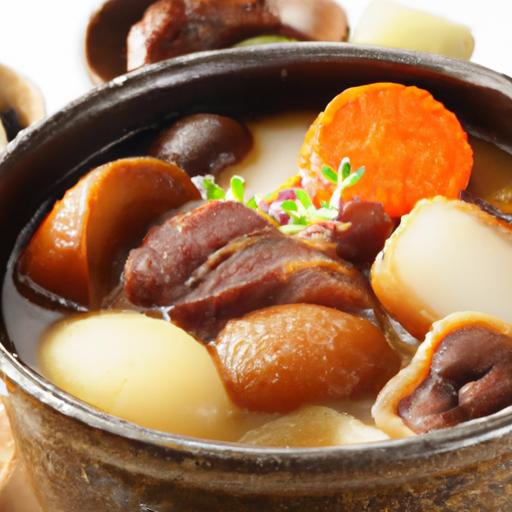

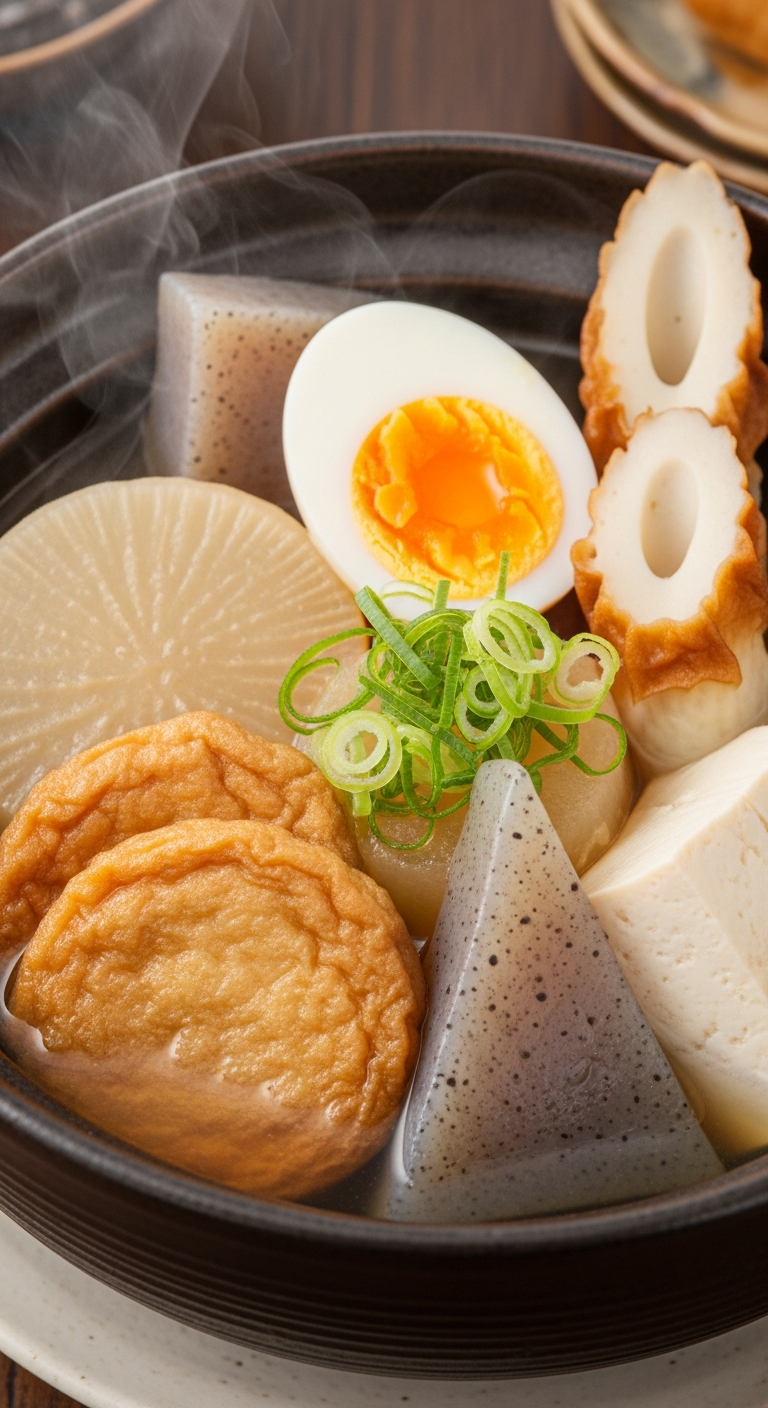
In the chilly embrace of a Japanese winter evening,there’s a humble bowl that offers more then just warmth – it delivers a comforting embrace for both body and soul. oden, a beloved hot pot dish steeped in tradition, is japan’s culinary answer to the worldwide craving for hearty simplicity. From simmered eggs and daikon radish to delicate fish cakes resting in a savory broth, oden is a mosaic of flavors and textures that carries the whispers of history in every bite. Join us as we uncover the story behind this soul-warming delight, exploring its origins, regional variations, and the timeless charm that makes oden a cherished staple across Japan’s tables.
Oden Uncovered: Japan’s Soul-Warming Hot Pot Delight
Oden Uncovered reveals a deeply rooted Japanese comfort food tradition that has transcended centuries. This soul-warming hot pot delight transforms humble ingredients into a symphony of flavors, simmered to perfect harmony. Growing up near Tokyo, I vividly remember cold winter evenings where families and street vendors alike would gather around steaming pots of oden, sharing stories as the rich, savory broth enveloped every ingredient in warmth. The magic lies not only in each bite but in the meticulous layering of tastes and textures that embody Japan’s culinary soul.
Prep and Cook Time
- Readiness: 25 minutes
- Simmering: 2 hours (minimum)
- Total Time: Approximately 2 hours 25 minutes
Yield
Serves 6 hungry guests or keeps well for delightful leftovers.
Difficulty Level
Medium – perfect for cooks ready to embark on a rewarding slow-simmer culinary journey.
Ingredients
- 8 cups dashi stock (preferably homemade or high-quality instant dashi powder)
- 1/4 cup light soy sauce
- 2 tbsp mirin
- 1 tbsp sake
- 1 tsp salt
- 3 boiled eggs, peeled
- 4 daikon radish slices (about 1-inch thick)
- 6 chikuwa fish cakes
- 4 konnyaku blocks, cut into triangles
- 1 pack of hanpen (soft white fish cake)
- 6 ganmodoki (fried tofu fritters)
- 6 satsuma-age (fried fish cakes)
- 2 medium potatoes, peeled and halved
- 2 scallions, sliced for garnish
- Karashi mustard (Japanese hot mustard), for serving
Instructions
- Prepare the dashi broth: In a large pot, combine 8 cups of freshly made dashi, light soy sauce, mirin, sake, and salt. Bring the mixture to a gentle boil.
- Parboil the daikon radish: in a separate pot, boil the daikon slices for 10 minutes to remove bitterness.Drain and add to the simmering dashi promptly.
- Add long-cooking ingredients next: Gently place potatoes and konnyaku blocks into the broth. Let these simmer uncovered over low-medium heat for 45 minutes. This step infuses starch and firm textures with the broth’s essence.
- Incorporate the fish cakes: Add chikuwa, satsuma-age, ganmodoki, and hanpen carefully to prevent breakage. Reduce heat to a low simmer and cook for another 30-45 minutes.
- Add boiled eggs: Gently slide peeled boiled eggs into the pot in the final 15 minutes of cooking to absorb the savory liquid.
- Simmer gently: Keep the broth barely bubbling-this low-and-slow technique ensures all flavors meld beautifully without clouding the broth.
- Resting: Once cooked, turn off the heat and cover the pot.Let the oden sit for at least 30 minutes before serving; flavors deepen wonderfully with waiting time.
- Serving: Ladle a variety of ingredients into individual bowls, ladle over warm broth, garnish with sliced scallions, and serve with a dollop of karashi mustard on the side for that signature spicy kick.
Tips for Success
- Broth base: use kombu (kelp) and bonito flakes for a richer dashi taste, or try shiitake-based dashi for a vegetarian variation.
- Timing matters: Start simmering the hardest ingredients first to ensure they absorb flavor fully without overcooking delicate components.
- Make ahead: Oden tastes even better the next day after flavors marinate overnight. Simply reheat gently on low heat before serving.
- Texture balance: Mixing soft (hanpen), chewy (konnyaku), and tender (boiled daikon) ingredients is key to an authentic oden experience.
- Regional tweaks: feel free to add regional ingredients like beef tendon or mochi-filled pouches for adventurous twists.
Serving Suggestions
Present oden steaming hot in rustic Japanese-style soup bowls. Accompany it with a small saucer of karashi mustard that guests can apply to taste. Freshly chopped scallions and a side of warm steamed rice elevate the meal’s comforting aura. For a true cultural touch, serve alongside a light japanese beer or a cup of fragrant green tea.

| Nutrient | Per serving |
|---|---|
| Calories | 230 kcal |
| Protein | 18 g |
| Carbs | 22 g |
| Fat | 6 g |
Explore More
for those eager to deepen their mastery of Japanese home cooking, check out our guide on Mastering Dashi: The Essence of Japanese Cuisine.To understand the cultural roots of Japanese hot pots further, Japan National Tourism Organization offers rich insights on Oden’s Heartwarming Traditions.
Q&A
Q&A: Oden Uncovered – Japan’s Soul-warming Hot Pot Delight
Q1: What exactly is Oden?
A: Oden is a traditional Japanese one-pot dish brimming with various simmered ingredients in a savory, light dashi broth. Picture a warm cauldron of comfort, where daikon radish, boiled eggs, fish cakes, tofu, and konnyaku slowly absorb rich flavors, creating a harmonious medley that transcends mere sustenance – it’s a hug in a bowl during Japan’s chilly months.
Q2: How did Oden originate?
A: Oden’s roots trace back to the Edo period (1603-1868), evolving from a simple grilled tofu dish called misodengaku. Over time, it transformed into a stew as ingredients were boiled in miso and later in soy-based broths. Its humble beginnings as street food quickly warmed the hearts of townsfolk and travelers alike,becoming a beloved winter staple across Japan.
Q3: What makes Oden different from other Japanese hot pots?
A: Unlike shabu-shabu or sukiyaki, which emphasize thinly sliced meats quickly cooked by diners, Oden is a slow-cooked symphony of diverse textures and flavors all mingling in one pot. Its broth is subtle yet deep, allowing each ingredient-from the chewy mochi-filled fish cakes to the melt-in-your-mouth daikon-to shine brilliantly in gentle unison.
Q4: What are some common ingredients in Oden?
A: The beauty of Oden lies in its variety. Staples include tender daikon, silky boiled eggs, porous chikuwa (fish cakes), hearty ganmodoki (fried tofu fritters), and resilient konnyaku jelly. Regional variations sprinkle in everything from octopus tentacles to beef tendon, reflecting local tastes and ingredient availability.
Q5: How is Oden typically served?
A: Oden is often ladled steaming hot into bowls alongside a dollop of spicy karashi mustard for a tangy kick. It’s a social dish,frequently found simmering in street vendor carts,convenience stores,or izakayas (Japanese pubs),where friends gather to dip,savor,and enjoy a comforting culinary ritual.
Q6: Can Oden be enjoyed year-round?
A: While traditionally a winter warmer, Oden’s versatility means it can be savored any time you crave a cozy meal. Actually, some regions enjoy lighter versions in warmer months, pairing the dish with chilled sake or beer, offering a nuanced experience beyond seasonal confines.
Q7: How does Oden reflect Japanese culture?
A: More than just a dish, Oden embodies the Japanese spirit of harmony (wa), patience, and simplicity. Its slow simmering teaches respect for time and subtlety, while its communal nature fosters connection. Eating Oden is an experience steeped in tradition, warmth, and shared moments – food as a cultural bridge.
Q8: Could I make Oden at home?
A: Absolutely! While the broth requires a delicate balance of dashi, soy sauce, and mirin, assembling Oden is wonderfully approachable. Grab a variety of ingredients from Asian markets, prepare a flavorful broth, and let your stew simmer low and slow. It’s not just cooking; it’s crafting a story in every bubbling pot.
Dive into Oden and discover more than just a meal – uncover a dazzling expression of Japan’s culinary soul, simmered to perfection and waiting to warm your heart.
The Way Forward
As the steam rises from a simmering pot of oden, so too does the warmth that this humble hot pot brings to the heart of Japanese cuisine. More than just a meal, oden is a tapestry of flavors and textures-each ingredient simmered to perfection, each bite a comforting reminder of home and tradition. Whether enjoyed in a bustling street stall or a quiet kitchen, oden invites us to slow down, savor simplicity, and connect through a shared love of soulful food. In uncovering oden, we’ve uncovered a delicious story of culture, community, and the timeless joy found in a bowl of warmth on a chilly day. So next time the cold winds blow, perhaps it’s time to gather around the pot and let oden’s gentle embrace soothe both body and spirit.