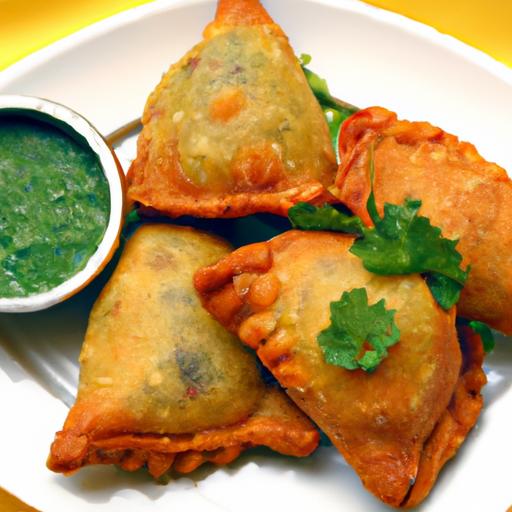

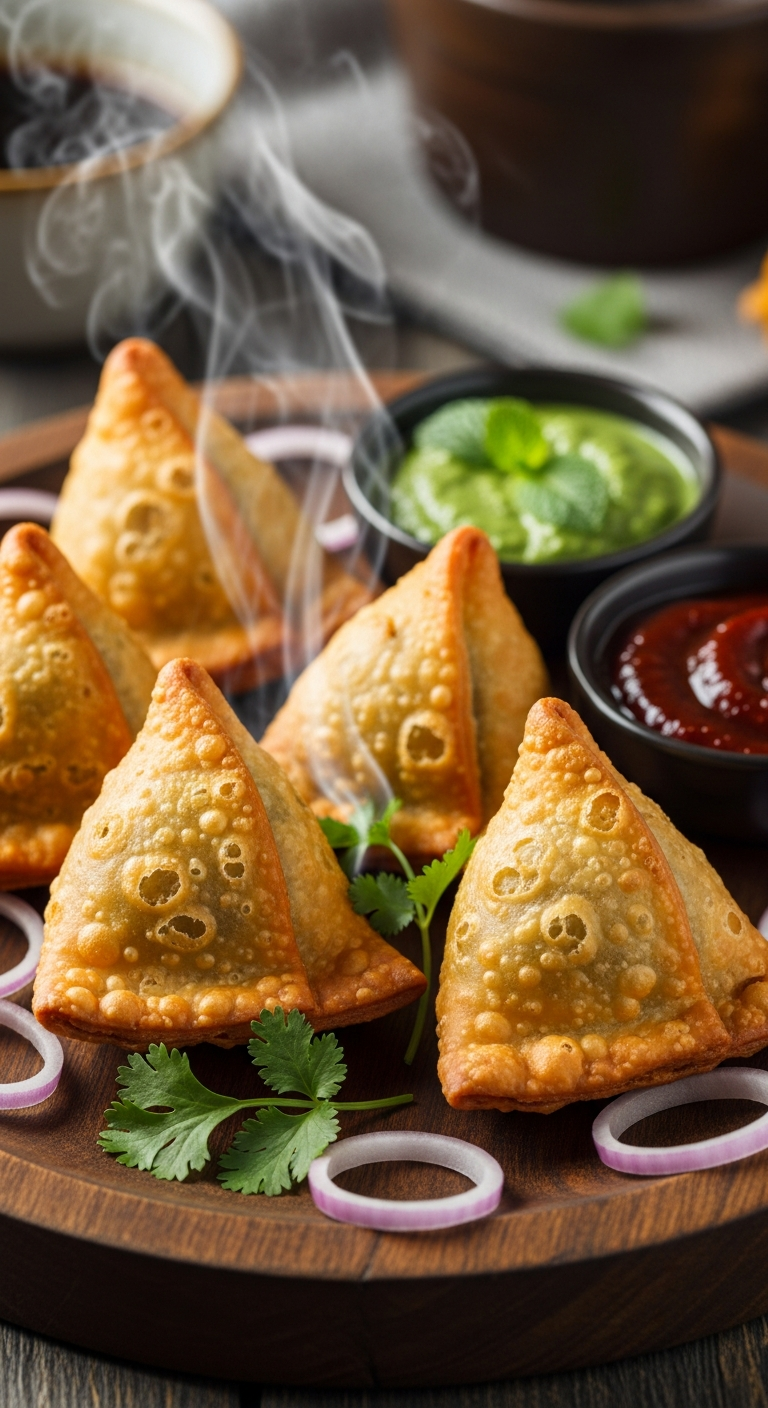
Crispy vegetable samosas are more than just a popular snack-they are a vibrant festivity of Indian culinary artistry. Encased in golden, flaky pastry and bursting with a savory blend of spiced vegetables, these triangular delights have won hearts across the globe. Whether enjoyed at bustling street stalls or served at festive gatherings, samosas offer a perfect balance of texture and flavor that speaks to centuries of tradition. In this article, we’ll delve into the origins, ingredients, and irresistible appeal of crispy vegetable samosas, revealing why they hold a cherished place in Indian cuisine and beyond.
Crispy vegetable samosas are an irresistible treat that combines a medley of vibrant spices with a perfectly crunchy exterior, embodying the essence of Indian street food. This beloved snack dates back centuries and is cherished for its balance of warmth, zest, and texture. Whether enjoyed at festive gatherings, teatime, or simply as a flavorful snack, mastering the art of crafting these samosas at home brings both comfort and a sense of culinary accomplishment.
Prep and Cook Time
- Preparation: 30 minutes
- Cooking: 25 minutes
- Total: 55 minutes
Yield
Approximately 20 medium-sized samosas
Difficulty Level
Medium – Requires some patience and attention to technique but rewarding for all skill levels
Ingredients
- For the Dough:
- 2 cups all-purpose flour, sifted
- 4 tbsp oil (vegetable or mustard oil for authentic flavor)
- ½ tsp salt
- ½ cup cold water (adjust as needed)
- For the Filling:
- 3 medium potatoes, boiled and mashed
- 1 cup green peas, boiled
- 1 medium onion, finely chopped
- 2 green chilies, finely chopped (optional)
- 1 tsp cumin seeds
- 1 tsp coriander powder
- ½ tsp garam masala
- ½ tsp turmeric powder
- 1 tsp amchur (dry mango powder)
- ½ tsp red chili powder
- Salt to taste
- 2 tbsp fresh coriander leaves, chopped
- 2 tbsp oil for sautéing
- For Frying:
- Vegetable oil or ghee (enough for deep frying)
Instructions
- Prepare the dough: In a large bowl, combine the all-purpose flour and salt. Add oil and mix thoroughly with yoru fingertips until the mixture resembles coarse crumbs. Gradually add cold water, kneading gently into a firm, pliable dough. Cover with a damp cloth and set aside for 30 minutes.
- Make the filling: Heat 2 tbsp oil in a pan over medium heat. add cumin seeds and allow them to sizzle for 30 seconds. Add finely chopped onions and green chilies, sauté until translucent, about 3-4 minutes.
- Add the boiled and mashed potatoes and green peas to the pan. Stir well to combine.
- Sprinkle coriander powder, turmeric, garam masala, red chili powder, amchur powder, and salt. Cook the mixture on low heat, stirring gently for 5 minutes to allow the spices to infuse. Remove from heat and fold in fresh coriander leaves. Let the filling cool completely.
- Shape the samosas: Divide the dough into 10 equal portions. Roll each into a ball and flatten into an oval shape about 6 inches long.Cut each oval in half lengthwise.
- form each half into a cone, sealing the edge with water. fill the cone with 2 tablespoons of the prepared vegetable filling. Seal the open edge carefully, making sure there are no gaps.
- Fry the samosas: Heat oil in a deep pan or kadai to 350°F (175°C). Fry samosas in batches, turning occasionally until they are golden brown and crispy, approximately 4-5 minutes per batch. Use a slotted spoon to transfer them to paper towels to drain excess oil.
- Serve warm with customary chutneys for a burst of flavor.
Chef’s Notes and Tips for Success
- For crispier samosas, add a tablespoon of semolina (rava) to the dough to increase its crunch.
- Ensure the oil is at the right temperature; too hot will burn the samosas, too cool will make them soggy. A kitchen thermometer is helpful.
- You can substitute potatoes and peas with other seasonal vegetables like carrots or cauliflower for a creative twist.
- Make the filling ahead and refrigerate; this helps it firm up and makes shaping easier.
- Rest the dough adequately to allow gluten to relax for easier rolling and shaping.
Serving Suggestions to Elevate Flavor
Present samosas on a rustic wooden platter garnished with fresh coriander sprigs and thinly sliced green chilies for a vibrant touch. Accompany with a trio of chutneys – mint-cilantro chutney, tangy tamarind chutney, and cooling yogurt raita – to create a balance of spicy, sweet, and refreshing flavors. A dusting of chat masala right before serving adds an extra zing.

Nutrition Details
| Per Serving (2 samosas) | Calories | Protein | Carbs | Fat |
|---|---|---|---|---|
| calories | 220 kcal | 5 g | 30 g | 8 g |
For more flavor-packed Indian snacks, explore our Masala Dosa Recipe.For an in-depth history and spices guide, visit Britannica’s Samosa Entry.
Q&A
Q&A: Crispy Vegetable Samosas – A Flavorful Indian Delight
Q1: What exactly are vegetable samosas?
A1: Vegetable samosas are golden, crispy pastries filled with a spiced medley of vegetables like potatoes, peas, carrots, and sometimes lentils or paneer. Originating from the indian subcontinent, they’re a beloved snack that combines a crunchy exterior with a warm, savory filling.
Q2: How did samosas become a popular Indian delicacy?
A2: Samosas trace their roots back to Central Asia and the Middle East, where similar stuffed pastries existed centuries ago.Traders and travelers brought the concept to India, where local spices and ingredients transformed it into the vibrant, flavorful snack we know today. Over time, samosas became a staple at festivals, street stalls, and family gatherings alike.
Q3: What makes vegetable samosas so crispy?
A3: The crispness comes from the thin, flaky dough used to encase the filling, typically made from refined flour (maida) and sometimes a touch of oil or ghee to enhance texture. They’re deep-fried at the right temperature until the outer shell turns a perfect golden brown, creating that unmistakable crunch with every bite.
Q4: Are vegetable samosas healthy?
A4: While traditionally deep-fried, vegetable samosas are packed with nutritious veggies and protein-rich spices. To make them healthier, some recipes opt for baking or air-frying instead of deep-frying. Plus, the vibrant spices like cumin, coriander, and ginger add antioxidants and digestive benefits.
Q5: What spices give vegetable samosas their distinctive flavor?
A5: The magic lies in the fragrant blend of spices-cumin seeds,coriander powder,garam masala,turmeric,chili powder,and sometimes amchur (dry mango powder) for tanginess. These meld together to create a warm, earthy, and slightly tangy flavor profile that dances on the palate.
Q6: Can samosas be customized?
A6: Absolutely! While the classic vegetable samosa stays true to its spiced potato-pea filling, the possibilities are endless. From adding paneer or mushrooms to experimenting with sweet potato or lentils, samosas adapt beautifully. Even the dough can vary, from traditional maida to whole wheat or gluten-free alternatives.
Q7: How are samosas typically served?
A7: Samosas are often enjoyed hot, paired with tangy tamarind chutney, fresh mint-cilantro chutney, or even yogurt dips. They make a perfect appetizer, street snack, or party platter feature-always inviting you to savor every crispy, flavorful bite.
Q8: What’s the best way to reheat leftover samosas without losing crispiness?
A8: to keep that crunch intact, reheat samosas in a hot oven or toaster oven at 350°F (175°C) for about 8-10 minutes. Avoid microwaving, which tends to make the pastry soggy.This swift reheating revives their crispy texture and warm filling beautifully.
Q9: Are samosas popular outside of India?
A9: Definitely! Samosas have traveled globally, becoming popular street food and party snacks in countries across Asia, Africa, the Middle east, and beyond. Their universal appeal lies in the perfect balance of comfort food and exotic spices-truly a flavorful Indian delight enjoyed worldwide.
Q10: What’s a fun fact about samosas?
A10: Did you know that the triangular shape of samosas is said to symbolize the pyramids and has also been linked to traditional symbolism of prosperity and good luck? Every bite is not just delicious but steeped in history and culture.
Dive into the world of crispy vegetable samosas and discover why this humble snack continues to capture hearts and taste buds around the globe!
Concluding Remarks
Whether enjoyed as a spicy snack on a bustling street corner or served as an elegant appetizer at a festive gathering, crispy vegetable samosas truly embody the vibrant tapestry of Indian cuisine. Their golden, flaky exterior giving way to a medley of seasoned vegetables offers not just a burst of flavor but a story of tradition and artistry in every bite. So next time you crave a dish that’s both comforting and adventurous, reach for these delightful pockets of joy-because with samosas, each crispy crunch is a flavorful journey waiting to be savored.