
In the vibrant mosaic of korean cuisine, where every dish tells a story steeped in tradition and flavor, few snacks capture the essence of comfort and convenience quite like Jumeokbap. Often overlooked beyond Korea’s borders, this humble handheld rice ball is a party of simplicity and creativity-a perfect harmony of sticky rice, savory fillings, and a pinch of nostalgia wrapped into a compact bite. As bustling street markets pulse with energy and families gather for quick, satisfying meals, Jumeokbap stands out not just as food, but as a cultural emblem, uniting generations with each perfectly shaped handful. Join us as we unwrap the layers of jumeokbap, exploring its origins, variations, and the role it plays in Korea’s rich culinary tapestry.
Jumeokbap, Korea’s beloved handheld rice ball delight, has long been cherished as a comforting, portable meal that encapsulates the warmth and ingenuity of Korean cuisine. Rooted deeply in tradition yet endlessly adaptable, this humble dish offers a gratifying blend of flavors and textures, all snugly packed into a perfect fist-sized bite. Whether savored as a lunchbox staple, a snack on hiking trails, or a quick on-the-go treat, jumeokbap invites you to explore the rich tapestry of Korea’s culinary heritage with every flavorful bite.
Prep and Cook Time
- Readiness: 10 minutes
- Cooking: 15 minutes
- Total Time: 25 minutes
Yield
Makes 8-10 perfectly portioned jumeokbap rice balls
Difficulty Level
Easy – Great for beginners and seasoned home cooks alike
Ingredients
- 2 cups cooked short-grain white rice, slightly warm
- 2 tablespoons sesame oil
- 1 tablespoon soy sauce
- 1 teaspoon toasted sesame seeds
- ½ teaspoon salt
- 1 sheet of nori, cut into thin strips (optional)
- 2 green onions, finely chopped
- 2 tablespoons finely diced carrots, lightly sautéed
- Optional fillings: cooked ground beef, kimchi, tuna salad, or seasoned spinach
Instructions
- Prepare the rice base: In a large bowl, gently mix the warm rice with sesame oil, soy sauce, toasted sesame seeds, salt, and chopped green onions. Use a spatula or rice paddle to fold ingredients without smashing the grains, maintaining fluffy texture.
- Incorporate vegetables: Fold in the sautéed carrots and any othre diced fillings you prefer, such as kimchi or seasoned spinach. These add vibrant colour and layers of flavor.
- Shape the rice balls: moisten your hands with cold water to prevent sticking,then scoop about a golf-ball-sized amount of rice mixture. Press firmly but gently, molding it into a tight ball or slightly oval mound. Repeat with remaining rice.
- Add finishing touches: Wrap each jumeokbap with a strip of nori for a savory crunch and classic presentation (optional). Alternatively, sprinkle extra sesame seeds on top for a nutty aroma.
- Serve immediately: Jumeokbap tastes best fresh-warm, fragrant, and hand-held. If packing for later, wrap tightly in plastic wrap to maintain moisture.
Tips for Success
- Rice texture matters: Use freshly cooked, slightly cooled rice for optimal stickiness. avoid cold, refrigerated rice unless reheated and fluffed.
- Customize endlessly: Try fillings like tuna mayo or spicy stir-fried pork for variety.
- Make-ahead: Prepare rice balls ahead of time, then steam briefly before serving to refresh their softness.
- Season smart: Adjust soy sauce and salt seasonings depending on fillings-such as, kimchi adds natural saltiness.
- Hands-on shaping: Don’t peel away from the process; the personal touch when molding jumeokbap connects you to the tradition.
Serving Suggestions and Pairings to Elevate Your Rice Ball Experience
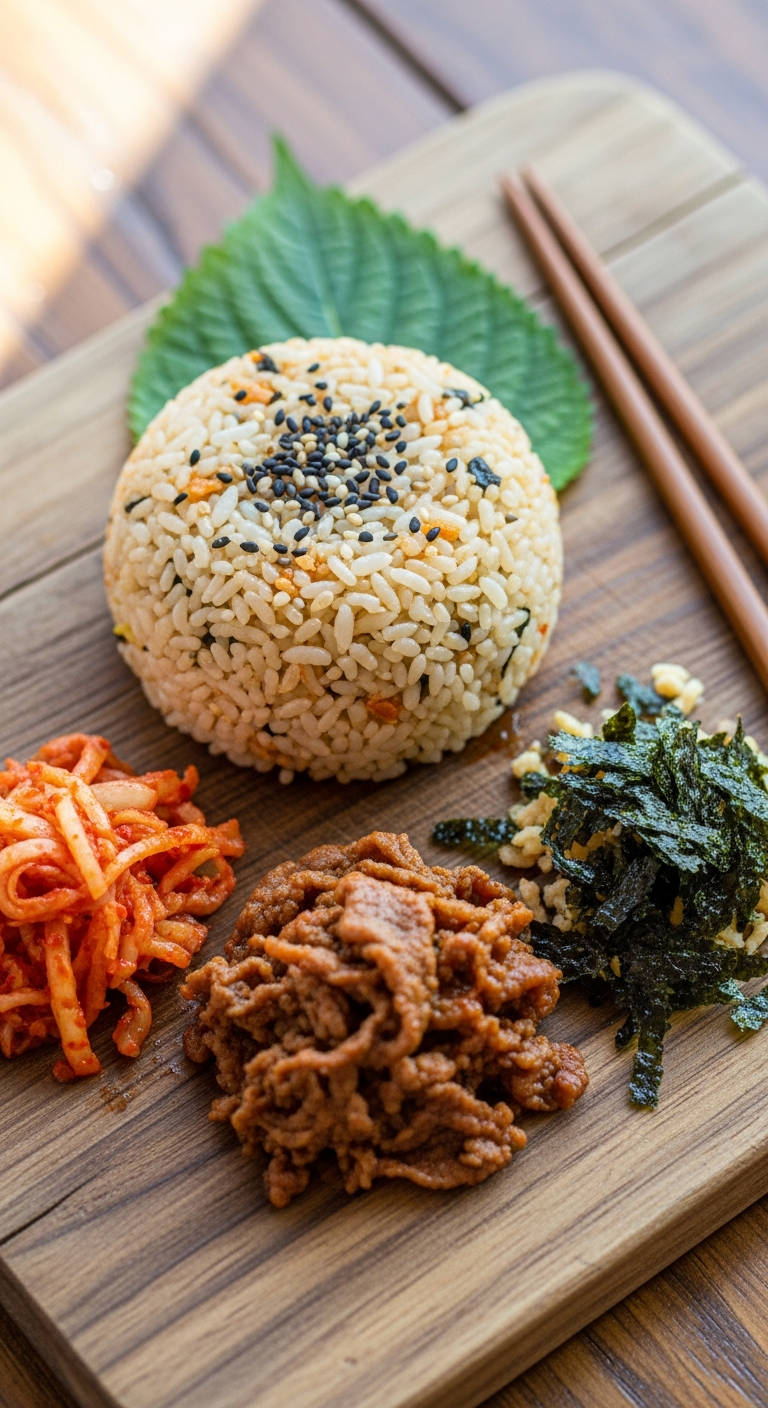
Present jumeokbap on a rustic wooden platter lined with fresh lettuce leaves or perilla leaves for an authentic Korean touch. Garnish with a sprinkle of toasted sesame seeds and delicate slivers of nori to add inviting textures and deep umami notes. Complement your meal with a side of classic kimchi for a zesty, fermented contrast that brightens each bite.
For a heartier experience, serve alongside spicy kimchi jjigae (stew) or a bowl of hot miso soup, balancing warmth and spice.Refresh your palate with chilled barley tea or iced green tea.For on-the-go dining, wrap each rice ball individually in parchment, securing with a decorative pick or leaf for elegance and easy handling.

| Nutrient | Amount per Serving (1 ball) |
|---|---|
| Calories | 120 kcal |
| Protein | 3 g |
| Carbohydrates | 22 g |
| Fat | 3 g |
Enthusiasts craving a deep dive into rice-based Korean staples will appreciate exploring related recipes such as our detailed guide on bibimbap.For authoritative insights into the cultural roots and nutritional benefits of rice in Korean cuisine, visit the Korean Bapsang blog, a revered source by native home cooks and food historians alike.
Q&A
Q&A: Jumeokbap Unwrapped – Korea’s Handheld Rice Ball Delight
Q1: What exactly is Jumeokbap?
A1: jumeokbap, literally translating to “fist rice,” is a beloved Korean rice ball formed by hand into a compact, fist-sized shape. It’s typically seasoned or mixed with ingredients like seaweed,sesame oil,vegetables,or even spicy kimchi,making it a perfect bite-sized treat that’s both flavorful and portable.
Q2: Why is Jumeokbap so popular in Korean culture?
A2: Beyond being tasty, Jumeokbap represents simplicity and comfort. It’s a nostalgic symbol of home-cooked meals, often packed in lunchboxes or shared during picnics. Its ease of making and eating on the go makes it a staple for students, workers, and families alike-essentially Korea’s original handheld snack.
Q3: How does Jumeokbap differ from onigiri or other rice balls in Asian cuisines?
A3: While similar in concept to Japan’s onigiri, Jumeokbap often boasts a more rustic and less structured form. Korean versions emphasize mixing ingredients directly into the rice rather than just a filling, and the seasoning leans toward sesame oil, salt, and kimchi flavors, highlighting Korea’s unique culinary palette.
Q4: are there regional or seasonal variations of Jumeokbap?
A4: Absolutely! Depending on the season and region, Jumeokbap can incorporate fresh herbs, pickled vegetables, or even grilled meats. Coastal areas might add dried seafood, while mountain regions favor savory wild greens. This adaptability makes each bite a story of place and time.Q5: How can someone make Jumeokbap at home?
A5: Start with warm, slightly sticky short-grain rice. Mix in your favorite seasonings-sesame oil, salt, chopped kimchi, or finely diced vegetables. Wet your hands to prevent sticking,scoop a handful of rice mixture,and firmly shape it into a ball or oval. That’s it-simple, delicious, and ready to enjoy!
Q6: Can jumeokbap be a healthy snack option?
A6: Definitely. Made primarily from rice and natural seasonings, jumeokbap is low in fat and can be packed with nutritious add-ins like vegetables, seaweed, and lean proteins. It’s a balanced snack that provides energy with minimal fuss-perfect for busy days or an outdoor adventure.
Q7: Where can travelers experience authentic Jumeokbap in Korea?
A7: street markets, convenience stores, and local eateries across Korea offer Jumeokbap. For an authentic experience, visit bustling markets like Gwangjang in Seoul or Jagalchi in Busan, where vendors prepare fresh rice balls to order-inviting you to savor Korea’s handheld comfort food in its vibrant cultural setting.
Q8: What makes Jumeokbap so culturally notable beyond food?
A8: Jumeokbap transcends mere sustenance; it’s a symbol of community, care, and tradition. Made with hands that show love and shared among friends and family, this humble rice ball carries stories of everyday life, resilience, and the warmth of Korean hospitality-wrapped up in a simple, delicious package.
Future Outlook
As we wrap up our tasty journey into the world of Jumeokbap,it’s clear that this humble handheld rice ball is much more than just a snack. Packed with history,flavor,and cultural meaning,Jumeokbap offers a delicious glimpse into Korea’s culinary heart-a perfect blend of simplicity and comfort that invites both locals and curious food lovers to savor each bite. Whether enjoyed on a bustling street corner or homemade with love, this portable delight continues to hold its place as a beloved staple in Korean cuisine. So next time hunger strikes, remember: sometimes, the best meals come wrapped in the palm of your hand.