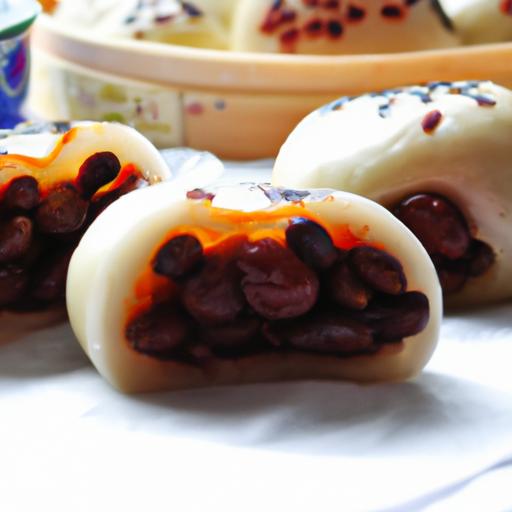


Steaming, soft, and subtly sweet-sweet red bean buns are more then just a delightful treat; they are edible stories woven into the fabric of tradition. Across bustling street markets and quiet kitchen tables alike, these golden-hued parcels carry generations of cultural heritage wrapped in pillowy dough. Join us as we embark on a delicious journey into the world of sweet red bean buns, exploring their origins, the art behind their making, and the enduring charm that has made them a beloved staple in many Asian cuisines. Whether you’re a seasoned foodie or a curious newcomer, prepare to savor not only their flavour but the rich history that makes each bite a party of tradition.
Origins and Cultural Meaning of Sweet Red Bean Buns
Sweet Red bean Buns are a beloved staple in many East Asian cultures, epitomizing the perfect blend of subtle sweetness and soft, pillowy dough. Their roots trace back hundreds of years to traditional Chinese dim sum and Japanese wagashi, where red bean paste-made from mashed azuki beans and sugar-symbolizes good fortune and happiness. For many families, these buns represent more than just a snack; they evoke memories of morning markets, festive celebrations, and the comforting ritual of sharing food. My childhood was marked by weekends filled wiht the warm steam rising from bamboo baskets, carrying the sweet aroma of freshly made sweet red bean buns, and that nostalgic flavor inspired me to craft this recipe with care and authenticity.
Prep and Cook Time
- planning Time: 35 minutes
- Resting/proofing Time: 1 hour 15 minutes
- Cooking Time (Steaming): 15 minutes
- Total Time: 2 hours 5 minutes
Yield
Makes 12 sweet red bean buns, perfect for sharing or saving for later treats.
Difficulty Level
Medium – A rewarding project for any home cook ready to explore authentic Asian flavors with approachable techniques.
Ingredients
- For the dough:
- 3 cups all-purpose flour, sifted
- 2 teaspoons active dry yeast
- 3/4 cup warm water (110°F/43°C)
- 1/4 cup granulated sugar
- 2 tablespoons vegetable oil
- 1/2 teaspoon salt
- For the sweet red bean filling:
- 1 1/2 cups smooth sweetened red bean paste (anko), homemade or store-bought
- 1 tablespoon vegetable oil (to soften paste if necesary)
Instructions
- Activate the yeast: In a small bowl, combine warm water and sugar. Sprinkle yeast on top and let it bloom for 10 minutes until frothy.
- Prepare the dough: in a large mixing bowl, sift the flour and salt. Create a well in the center and pour in the yeast mixture and vegetable oil. Mix with a wooden spoon or your hands until a shaggy dough forms.
- Knead the dough: Transfer the dough to a floured surface. Knead vigorously for about 10 minutes until smooth and elastic. You’ll know it’s ready when it springs back gently when poked.
- First proof: Lightly oil a clean bowl and place the dough inside, turning to coat. Cover with a damp cloth or plastic wrap.Let rise in a warm place for 1 hour or until doubled in size.
- Prepare the filling: While dough proofs, soften red bean paste by stirring with vegetable oil until smooth and spreadable.Divide into 12 equal portions (about 2 tablespoons each).
- Shape the buns: Punch down dough to release air, then divide into 12 equal pieces.Flatten each dough ball into a 4-inch circle,place a portion of red bean paste in the center,then carefully wrap and pinch the dough to seal tightly around the filling.
- Second proof: Place buns seam-side down on parchment squares inside a steamer basket. Cover and let rest for another 20-30 minutes until slightly puffed.
- Steam to perfection: Bring water to a boil in your steamer pot. Place buns in the steamer, cover with a lid wrapped in a kitchen towel to prevent condensation drip, and steam over medium-high heat for 12-15 minutes. Avoid opening the lid during steaming to retain softness.
- Rest before serving: Turn off heat and let buns sit with lid closed for 2 minutes. This prevents sudden shrinkage and maintains their tender texture.
- Enjoy warm: Serve freshly steamed sweet red bean buns warm, garnished with a sprinkle of toasted sesame seeds or a dusting of powdered sugar for added visual appeal.
Tips and Techniques for Steaming Sweet Red Bean Buns to perfection
Achieving that iconic, fluffy texture hinges on gentle, consistent steaming and properly prepared dough. Using a bamboo steamer allows subtle steam circulation that preserves softness without sogginess. Be sure to line your steamer with parchment paper or cabbage leaves to prevent sticking, and keep the water at a steady simmer rather than a rolling boil.Wrapping the lid with a clean kitchen towel absorbs excess moisture, preventing water droplets from falling onto your buns and making the surface wet or sticky. Timing is crucial-oversteaming leads to dry buns, while under-steaming yields doughy centers. resting the buns after steaming locks in moisture and lets flavors harmonize beautifully.
Chef’s Notes: Tips for Success
- Filling Variations: For a twist, try mixing mashed sweet potato or chestnut paste with your red bean filling for a richer, layered sweetness.
- Dough Substitute: If pressed for time, use self-rising flour and omit yeast; however, fermentation adds depth and softness uniquely valuable to traditional buns.
- Make Ahead: You can prepare buns in advance and freeze them unsteamed.Thaw completely and steam fresh when ready to serve.
- Troubleshooting: If buns turn dense, check yeast viability and ensure the dough was adequately kneaded and proofed.
- Visual Appeal: For photo-worthy presentation, gently brush steamed buns with a bit of vegetable oil after cooking to impart a subtle glossy sheen.
Pairing Recommendations to Enhance Your Sweet Red Bean Bun Experience
Sweet red bean buns naturally complement subtle beverages that highlight their delicate sweetness. pair them with a cup of fragrant jasmine tea or lightly roasted green tea to cleanse the palate and elevate the anko’s rich earthiness. For a cozy breakfast or afternoon snack, a glass of warm soy milk or matcha latte offers a luscious, creamy contrast. Garnish the serving platter with fresh mint leaves or edible flowers for a burst of color and freshness,enhancing both taste and visual appeal. For a modern twist, serve alongside a dollop of lightly whipped coconut cream or a drizzle of honey to balance the traditional flavors with a touch of decadence.
| Nutrient | Per bun (Approx.) |
|---|---|
| Calories | 160 kcal |
| Protein | 4 g |
| Carbohydrates | 33 g |
| Fat | 1.5 g |

For those curious about the broader world of steamed buns, explore our extensive guide to Asian steamed buns. To delve deeper into the cultural history of red bean paste, visit Britannica’s adzuki bean overview.
Q&A
Q&A: Sweet Red Bean Buns – A Delicious Journey Into Tradition
Q1: What exactly are Sweet Red Bean Buns?
A1: Sweet Red Bean Buns are soft, fluffy steamed or baked buns filled with a luscious, subtly sweet paste made from adzuki beans. They’re a beloved treat in many East Asian cultures, known for their perfect balance of sweetness and texture.
Q2: Where did Sweet Red Bean Buns originate?
A2: These delightful buns have roots in China,where red beans (adzuki beans) have long been cherished in desserts. Over centuries, the tradition spread across countries like japan and Korea, each adding their own twist while keeping the essence intact.
Q3: Why are red beans used in sweets?
A3: Red beans, or azuki beans, possess a naturally mild sweetness when cooked down into a paste. Their earthy flavor complements the bun’s dough beautifully, creating a dessert that’s both satisfying and comforting – a perfect harmony of taste and tradition.
Q4: How are the buns typically made?
A4: The process begins with creating a rich, smooth red bean paste made by simmering adzuki beans with sugar.Then, the dough-usually made from flour, yeast, sugar, and water-is rolled out, filled generously with the paste, shaped into buns, and finally steamed or baked until soft and golden.
Q5: What makes Sweet Red Bean Buns special compared to other pastries?
A5: Unlike overly sweet Western pastries, Sweet red Bean Buns offer a delicate sweetness and an inviting softness that evokes nostalgia and warmth. They’re a gentle reminder of cultural roots and the simple pleasures of shared meals and celebrations.
Q6: Are there different variations of this treat?
A6: Absolutely! Some versions incorporate coconut milk for creaminess, others mix in chestnuts or sesame seeds. In Japan, they’re called Anpan, frequently enough topped with sesame seeds or a shiny glaze, while Korean variations might add a hint of cinnamon or pair with tea for a complete experience.
Q7: Can I make sweet Red Bean Buns at home?
A7: Definitely! With some basic ingredients and a little patience, you can embark on your own delicious journey. Making the red bean paste from scratch is surprisingly straightforward, and shaping and steaming the buns can be a fun, hands-on way to connect with tradition.
Q8: What occasions are these buns typically enjoyed?
A8: Sweet Red Bean Buns are versatile – perfect for breakfast, a midday snack, or a festive treat during holidays and family gatherings. Their comforting flavor often makes appearances in celebrations like Lunar New Year and the Mid-Autumn Festival.
Q9: How do Sweet Red Bean Buns reflect tradition?
A9: Beyond their flavor, these buns embody a cultural narrative – a blend of history, community, and culinary artistry passed down through generations. Each bite tells a story of patience, care, and the enduring love for wholesome, meaningful food.
Q10: Where can I find authentic Sweet Red Bean Buns outside of Asia?
A10: Many Asian bakeries around the world craft these buns with authentic recipes. Farmer’s markets, specialty grocery stores, and even some trendy cafes frequently enough carry them, especially in cities with vibrant Asian communities. trying them is like taking a mini cultural trip without leaving your neighborhood!
In Retrospect
As the final grain of sugar melts into the warm, fluffy embrace of a sweet red bean bun, we’re reminded that food is more than sustenance-it’s a story, a tradition, a bridge across generations. These humble buns carry with them centuries of culture, patience, and love, inviting us to savor not just their delicate sweetness but the rich heritage they represent. So next time you bite into a soft,radiant bun filled with velvety red bean paste,let yourself be transported on a delicious journey into tradition-one that nourishes both body and soul.