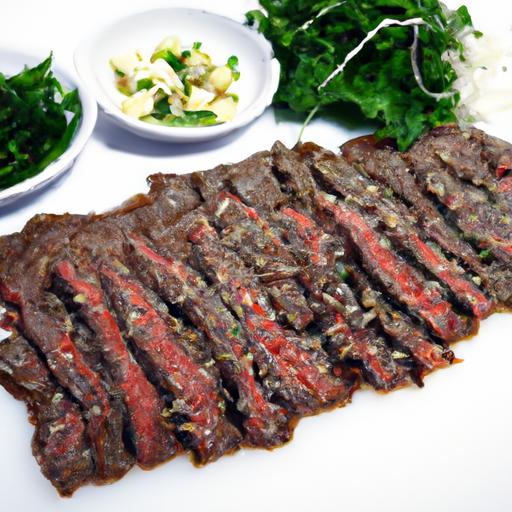

There’s a story behind every sizzling slice of bulgogi-a story of tradition, flavor, and fire that has traveled centuries to grace tables worldwide. Bulgogi, often hailed as the crown jewel of Korean beef BBQ, is more than just a dish; it’s a cultural experience wrapped in tender, marinated layers of meat that dance over glowing coals. In “Bulgogi Unveiled: The Sizzling Secret of Korean Beef BBQ,” we peel back the curtain on this iconic culinary treasure, exploring its rich history, the art of its marinade, and the irresistible sizzle that has captivated taste buds across the globe. Join us as we journey into the heart of Korea’s beloved BBQ tradition, where every bite tells a flavorful tale.
Bulgogi Unveiled: The Sizzling Secret of Korean Beef BBQ
Bulgogi Unveiled reveals not only a beloved Korean delicacy but also a culinary art that has simmered through centuries. This dish, with its irresistibly sweet and savory marinade, embodies Korea’s rich food heritage, blending simplicity with depth in every tender bite. From noble royal tables to bustling street markets, bulgogi has been a symbol of festivity, warmth, and shared joy-a true reflection of Korean culture.As you embark on mastering this recipe, you’ll appreciate the intricate balance of flavors and techniques that make bulgogi an iconic experience worldwide.
Prep and Cook Time
- Preparation: 20 minutes (plus 4-6 hours for marinating)
- Cooking: 8-10 minutes
- Total Time: Approximately 5 hours (including marination)
Yield
Serves 4 hungry guests
Difficulty Level
Medium – perfect for adventurous home cooks who want to elevate their BBQ skills
The Origins and Cultural Meaning of Bulgogi in Korean Cuisine
Bulgogi Unveiled takes us back to the Joseon Dynasty when the dish was called “maekjeok,” and beef was a prized ingredient reserved for special occasions. Traditionally, bulgogi was enjoyed at celebrations or family gatherings, symbolizing gratitude and fellowship. The name “bulgogi” translates literally to “fire meat,” alluding to its hallmark method of grilling over an open flame, a technique that imparts smoky tenderness and encourages communal dining. Today, bulgogi remains a staple in Korean cuisine, cherished for its versatility-from street food to haute cuisine. Its marriage of method and marinade connects ancient flavor wisdom with contemporary palates, making it a must-try culinary delight.
Mastering the Marinade: Perfecting Sweet and Savory Flavors
The heart of bulgogi lies in its marinade, a harmonious blend of sweet, salty, and umami notes. Perfecting this mixture is key to unlocking tender, flavorful beef. The foundation is soy sauce, carefully balanced with brown sugar or honey to create caramelized sweetness during grilling. Asian pear or pineapple juice adds subtle fruitiness and natural enzymes that tenderize the meat. Garlic, ginger, and toasted sesame oil inject aromatic warmth, while a splash of rice wine elevates the depth. Remember, a well-marinated bulgogi means at least 4 hours of soaking-or overnight if possible-to let these flavors fully permeate each slice.
Choosing the Right cut of Beef for Ultimate Tenderness
For authentic bulgogi,selecting the meat is as crucial as the marinade itself. Thinly sliced ribeye or sirloin cuts are preferred for their balance of marbling and tenderness, ensuring juicy bites that caramelize beautifully on the grill or stovetop. Some opt for brisket or tenderloin, depending on availability and budget, but avoid tough cuts like round or chuck unless finely sliced and marinated longer. If you can, ask your butcher for pre-sliced bulgogi beef or freeze the meat lightly for 30 minutes before slicing to achieve even thinness, about 1/8 inch thick.
Grilling Techniques and Serving Suggestions for Authentic Bulgogi Experience
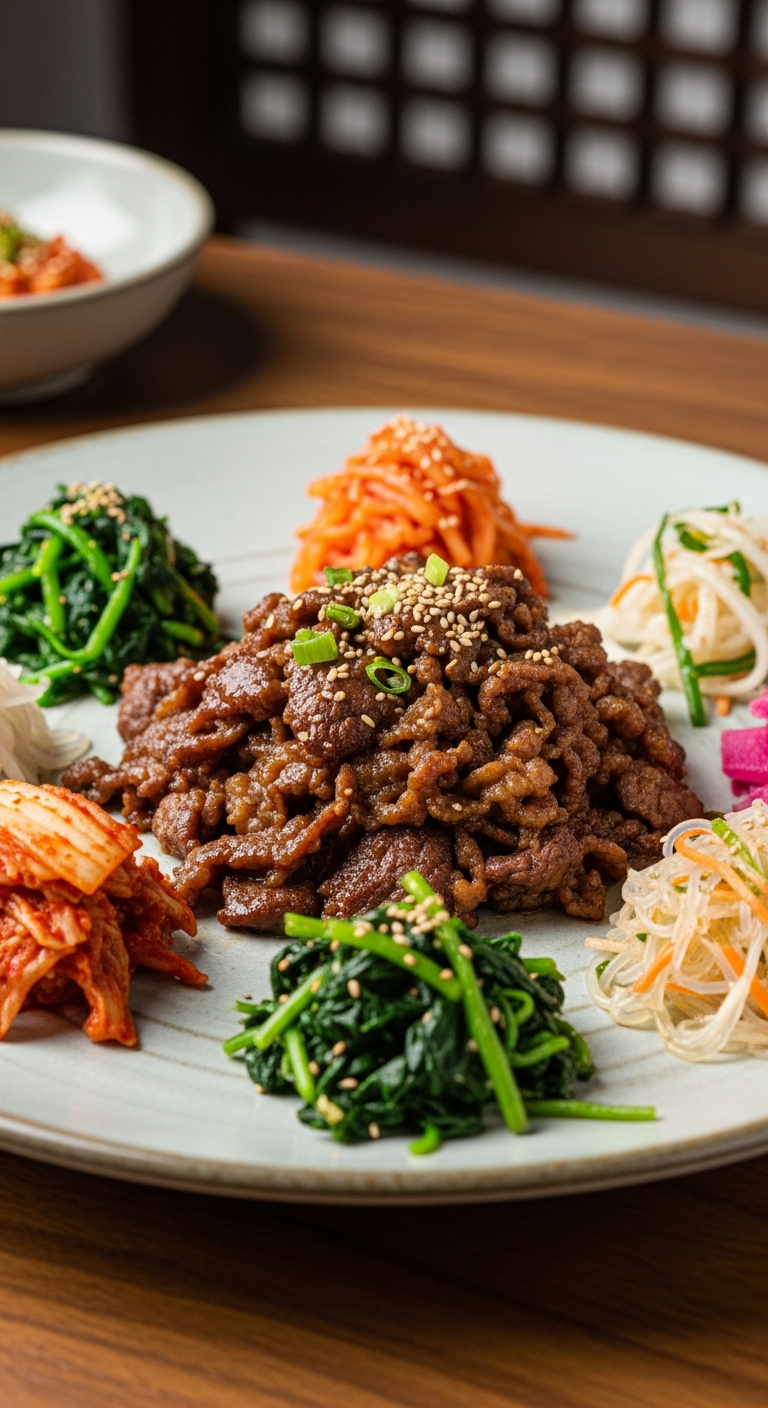
Grill the bulgogi meat on a preheated cast iron pan or an outdoor grill set to medium-high heat. The key is rapid, high-heat cooking to sear the marinade into a caramelized crust without overcooking, preserving tenderness. Cook in batches in a single layer to avoid steaming, flipping once the edges turn golden and the aroma intensifies. For a truly authentic experience, serve bulgogi with hot steamed rice, crisp lettuce leaves, and an array of banchan such as kimchi and pickled radishes.Garnish with toasted sesame seeds and thinly sliced scallions for freshness and texture contrast. This combination transforms every bite into a symphony of flavors and textures, inviting convivial sharing around the table.
Ingredients
- 1 lb ribeye or sirloin beef, thinly sliced (about 1/8 inch thick)
- ¼ cup soy sauce (preferably Korean soy sauce)
- 2 tbsp brown sugar or honey
- 2 tbsp grated Asian pear or pineapple juice
- 1 tbsp toasted sesame oil
- 3 cloves garlic, minced
- 1 tsp fresh ginger, minced
- 1 tbsp rice wine or mirin
- ¼ tsp freshly ground black pepper
- 1 medium white onion, thinly sliced
- 2 scallions, thinly sliced (for garnish)
- 1 tbsp toasted sesame seeds (for garnish)
Instructions
- Prepare the beef: If not pre-sliced, lightly freeze beef for 20-30 minutes, then cut into very thin slices (1/8 inch) against the grain to maximize tenderness.
- Make the marinade: In a medium bowl,whisk together soy sauce,brown sugar/honey,grated Asian pear (or pineapple juice),toasted sesame oil,garlic,ginger,rice wine,and black pepper until sugar dissolves.
- Combine and marinate: Add the sliced beef and sliced onion to the marinade, mixing thoroughly to coat every piece. Cover and refrigerate for at least 4 hours, preferably overnight, for deep flavor and tenderness.
- Preheat your grill or skillet: Heat a cast iron pan or outdoor grill to medium-high. Lightly oil surface if needed to prevent sticking.
- Cook in batches: Lay beef slices in a single layer, allowing searing without overcrowding. Grill or sauté about 3 minutes per side until edges caramelize and meat is cooked through but still juicy.
- Garnish and serve: Transfer cooked bulgogi to a warm plate.Sprinkle with toasted sesame seeds and scallions for vibrant color and crunch.
Chef’s Notes
- Marinade variations: Substitute Asian pear with apple or kiwi to experiment with different tenderizing enzymes.
- Make-ahead tip: Marinate beef overnight in an airtight container to intensify flavor and texture.
- For spice lovers: Add 1 tsp of Korean red pepper flakes (gochugaru) to the marinade for a subtle heat kick.
- Avoid overcrowding: Cooking bulgogi in small batches ensures caramelization instead of steaming.
- Vegetarian twist: Try marinating mushrooms or tofu using the same sauce for a delightful plant-based choice.
Serving Suggestions
For an authentic Korean BBQ experience, serve bulgogi with steamed white rice and a variety of customary banchan (side dishes) such as kimchi, pickled radish, and seasoned spinach. Wrap grilled bulgogi pieces in fresh lettuce leaves with a dab of ssamjang (fermented chili paste) for added depth and texture. A chilled glass of Korean rice wine (makgeolli) or a crisp green tea complements the richness perfectly. Don’t forget a sprinkle of toasted sesame seeds and sliced scallions on top to brighten every bite.
| Nutrient | Per Serving |
|---|---|
| Calories | 320 kcal |
| Protein | 28 g |
| Carbohydrates | 12 g |
| Fat | 18 g |

Discover more about Korean cuisine techniques in our article Perfect Korean Kimchi Recipe. For deeper cultural insights, visit Korean Food Foundation.
Q&A
Q&A: Bulgogi Unveiled – The Sizzling Secret of Korean beef BBQ
Q1: what exactly is Bulgogi?
A1: Bulgogi, which translates to “fire meat,” is a classic korean dish featuring thinly sliced beef marinated in a harmonious blend of sweet, savory, and smoky flavors. Grilled or pan-cooked to perfection, it’s the sizzling, caramelized bite that’s earned its legendary status in Korean cuisine.
Q2: What makes Bulgogi’s marinade so special?
A2: The marinade is Bulgogi’s soul-typically a mixture of soy sauce,sugar,garlic,sesame oil,and Asian pear juice. The pear acts as a natural tenderizer, breaking down the beef fibers for a melt-in-your-mouth texture, while the balance of sweet and salty ensures every bite bursts with depth and complexity.
Q3: Is Bulgogi always made with beef?
A3: while traditional Bulgogi shines with tender cuts of beef-often ribeye or sirloin-it’s a versatile recipe. Pork Bulgogi, known as “Dwaeji Bulgogi,” is equally popular, especially in regions favoring pork. Chicken and even plant-based versions are gaining traction, proving Bulgogi’s adaptable charm.
Q4: How is Bulgogi traditionally cooked?
A4: The traditional method is grilling over an open flame, which imparts a smoky char and juicy finish. In home kitchens,stovetop grilling or pan-frying is common,letting the marinade caramelize beautifully on the beef’s surface,creating that signature sizzle and aroma.
Q5: What’s the cultural significance of Bulgogi in Korea?
A5: Bulgogi is more than just a dish-it’s a social ritual. Frequently enough enjoyed during gatherings and celebrations,it embodies warmth,sharing,and the communal spirit of Korean dining. Passing plates of sizzling Bulgogi around the table is a tasty way to connect and create memories.
Q6: Can Bulgogi be paired with other Korean dishes?
A6: Absolutely! Bulgogi is frequently served with steamed rice and a variety of vibrant side dishes called “banchan,” including kimchi,pickled radish,and seasoned spinach. Wrap it in lettuce leaves with a dollop of spicy ssamjang sauce for a classic Korean bite that balances freshness and heat.
Q7: How has Bulgogi influenced global cuisine?
A7: Bulgogi’s irresistible flavor and accessible preparation have propelled it onto menus worldwide, inspiring fusion dishes like Bulgogi tacos, burgers, and pizzas. Its adaptability and bold yet balanced taste continue to captivate chefs and food lovers beyond Korea’s borders.
Q8: What tips can home cooks use to perfect Bulgogi?
A8: Start with thinly sliced, high-quality beef. Marinate for at least 30 minutes-or overnight for maximum flavor infusion.Don’t overcrowd the pan or grill to ensure even caramelization. And remember, the key to Bulgogi’s magic is that stunning interplay between sweet, savory, and smoky notes-so balance your marinade ingredients thoughtfully.
Q9: Is Bulgogi healthy?
A9: When enjoyed in moderation, Bulgogi can be part of a balanced diet. The marinade’s ingredients like garlic and sesame oil offer nutritional benefits, and serving Bulgogi with fresh vegetables and rice creates a wholesome meal. Opting for lean cuts and controlling portion sizes helps keep it health-amiable.
Q10: Why should everyone try Bulgogi at least once?
A10: Bulgogi is more than a meal-it’s a sensory journey. From the first sizzle on the grill to the tender, flavorful bites wrapped in crisp lettuce, it invites you to experience Korean culture through food. Its comforting yet exciting flavors make it a must-try for any adventurous palate.
Wrapping Up
As the flames die down and the last tender slice of bulgogi is savored, it becomes clear that this iconic Korean beef BBQ is more than just a dish-it’s a flavorful journey steeped in tradition, culture, and communal joy. Bulgogi’s sweet, smoky allure invites food lovers to experience a symphony of marinated perfection, where every bite reveals the artistry behind Korea’s beloved culinary heritage. Whether grilled over open flame or cooked on a tabletop, bulgogi continues to ignite passion and curiosity worldwide, proving that some secrets are too delicious to keep. So next time you hear the sizzle, remember: your not just eating beef-you’re tasting a story centuries in the making.