
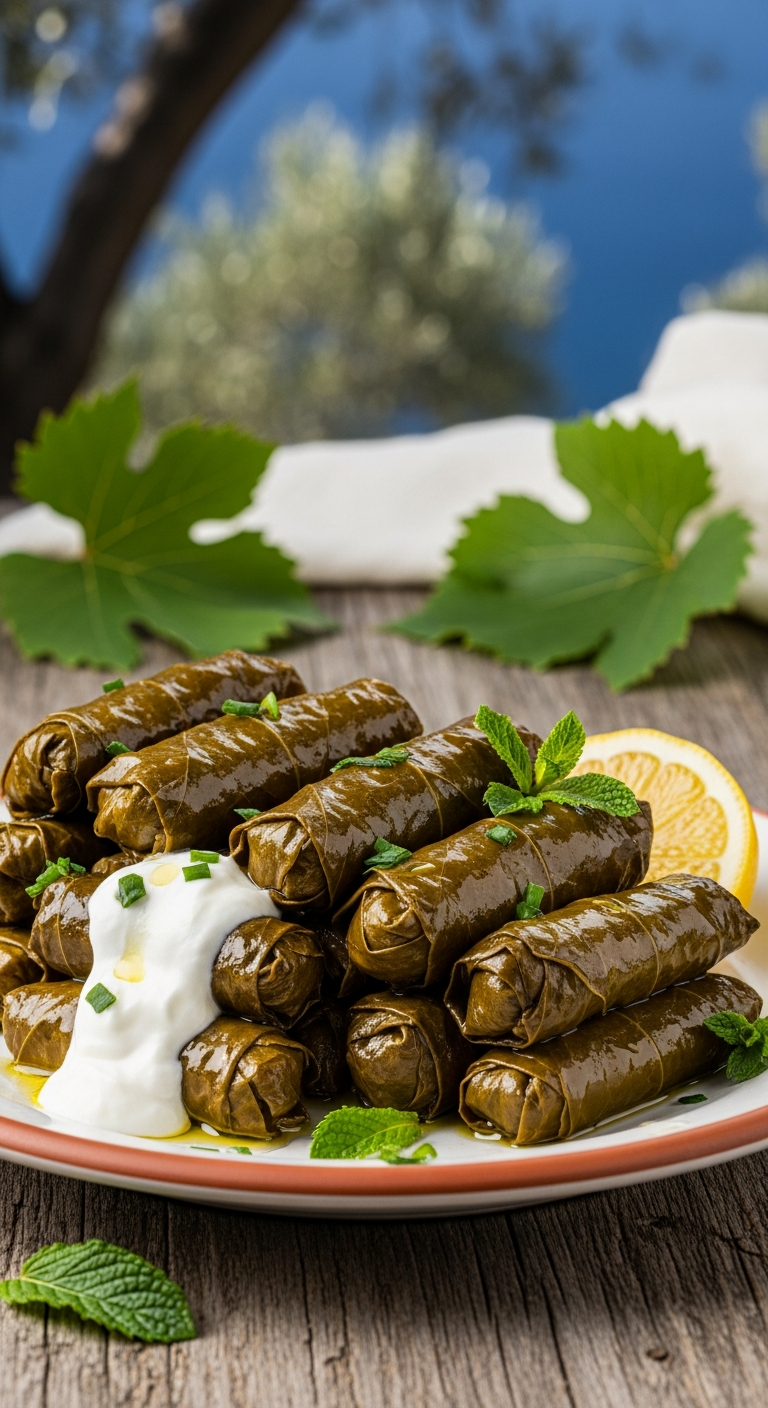
In the rich tapestry of global cuisine, few dishes carry the whisper of ancient traditions quite like dolma—the artful readiness of stuffed grape leaves. This culinary treasure, with its delicate folds enveloping fragrant fillings, is more than just a meal; it is a story wrapped in history, culture, and flavor. From bustling markets in the Mediterranean to cozy family kitchens in the Middle East, dolma invites us to explore a timeless craft where every leaf tells a tale. Join us as we unveil the secrets behind this beloved dish, tracing its origins, regional variations, and the enduring passion that keeps the tradition of stuffed grape leaves alive across generations.
Unveiling Dolma: The Timeless art of stuffed Grape leaves invites you on a culinary journey that traces the origins of this beloved dish from the sun-drenched fields of the Mediterranean and Middle East to dining tables across the globe. This iconic recipe is steeped in tradition yet wonderfully versatile, combining tender grape leaves with a harmonious filling that dances between savory and aromatic notes. Inspired by family gatherings and lively bazaars, crafting dolma is not just cooking-it’s an art form that speaks to shared heritage, patience, and passion.
Prep and Cook Time
- Preparation Time: 35 minutes
- Cooking Time: 50 minutes
- Total Time: 1 hour 25 minutes
Yield
- Serves 6 to 8 people
Difficulty Level
- Medium
Mastering the Perfect Filling: Ingredients and Flavor Profiles
At the heart of every unforgettable dolma is its filling-a textured tapestry of rice, fresh herbs, spices, and sometimes minced meat. Balancing moisture and seasoning ensures each bite bursts with depth and warmth. This recipe leans on fresh parsley, fragrant dill, shining mint, and the earthy undertones of pine nuts, marrying to create a vibrant, nuanced flavor that honors dolma’s many regional variations.
Stuffed grape leaves are a delightful dish that many cultures embrace, with each recipe reflecting unique traditions and flavors. Whether enjoyed at family gatherings or festive occasions, stuffed grape leaves always stand out as a symbol of hospitality and love.
- 1 cup long-grain rice, rinsed and drained
- 250g ground lamb (optional for vegetarian version)
- 1 large onion, finely chopped
- 3 tbsp pine nuts, toasted
- 1 cup fresh parsley, chopped
- ½ cup fresh dill, chopped
- ¼ cup fresh mint, chopped
- 2 large ripe tomatoes, diced
- Juice of 1 lemon
- 4 tbsp extra virgin olive oil
- 1 tsp ground cinnamon
- 1 tsp allspice
- Salt and pepper to taste
- 1 jar grape leaves (approximately 60 leaves), rinsed and drained
- Water or vegetable broth, as needed for cooking
Techniques for Rolling Dolma Like a Pro
Rolling stuffed grape leaves can be a cherished family activity. Gather your loved ones, and share stories as you work together, creating a beautiful platter of this timeless dish that can be enjoyed warm or chilled.
Perfecting the roll is an art: each leaf cradles the filling snugly to ensure even cooking and a beautiful presentation. Lay down a grape leaf shiny side down, trim the stem, add a tablespoon of filling near the base, then fold the sides before rolling tightly upwards. Consistency is key-aim for an elongated, cigar-like shape. Practice patience and soon your hands will move with confident rhythm and grace.
Instructions
To make your stuffed grape leaves unique, consider experimenting with different fillings, such as adding nuts or dried fruits, which can elevate the traditional flavors and offer a new twist on this classic dish.
- Prepare the filling: Heat 2 tablespoons of olive oil in a sauté pan over medium heat. Add the finely chopped onion and cook until soft and translucent, about 5 minutes. Stir in the ground lamb (if using) and cook until browned, breaking up any lumps.
- Add rice and nuts: Stir in the rinsed rice and toasted pine nuts.Cook for 2 minutes, mixing well to coat everything in the fragrant oil.
- Combine herbs and spices: Add diced tomatoes, parsley, dill, mint, cinnamon, allspice, salt, and pepper.Stir well to blend. Pour in ½ cup water and cook gently until the liquid is absorbed and the rice is half-cooked, about 8 minutes. Remove from heat and let cool.
- Prepare grape leaves: Carefully separate and rinse grape leaves to remove excess salt, then lay them flat on a clean work surface.
- Roll dolma: Place a leaf shiny side down,trim any tough parts of the stem. Spoon about 1 tablespoon of filling near the stem end. Fold the sides inward tightly and roll upwards to enclose the filling completely.
- Arrange and cook: Place rolled dolmas seam side down in a heavy-bottomed pot, packing them snugly in layers. drizzle remaining olive oil and lemon juice evenly over them. Add enough water or broth to cover just above the dolmas. Place a heatproof plate on top to keep rolls in place.
- Simmer gently: Cover with a lid and cook over low heat for about 45 minutes, until leaves are tender and filling is fully cooked. Check occasionally and add water if necessary to prevent drying out.
- Rest before serving: Allow dolmas to cool in their cooking liquid for at least 20 minutes. This step helps flavors meld and results in tender, juicy wraps.
Chef’s notes and Tips for Success
- For a vegetarian version, omit lamb and increase the herbs and pine nuts for added texture.
- To make ahead, roll dolmas up to two days before and refrigerate. Reheat gently in covered pot with a splash of water.
- If fresh grape leaves aren’t available, brined jar leaves work well-make sure to rinse thoroughly to remove excess salt.
- Experiment with fillings: try adding currants or pomegranate molasses for a sweet-tart twist reminiscent of Persian dolma.
- When rolling, keep your fingers slightly damp to prevent sticking and ensure a smoother roll.
Serving Suggestions and pairings to Elevate Your dolma Experience
Stuffed grape leaves also pair wonderfully with a variety of sides, including tabbouleh or fresh pita bread, enhancing the overall dining experience and bringing out the best of the dish.
When presenting your dolma, embrace vibrancy and freshness. Serve them cold or at room temperature, garnished with lemon wedges, a drizzle of cool yogurt sauce infused with garlic and mint, and a scattering of toasted pine nuts. Accompany with fresh vegetables like sliced cucumbers and ripe tomatoes or a crisp, herb-forward salad. Pair beautifully with a light white wine such as Sauvignon Blanc or a sparkling mineral water for a refreshing contrast.

| Nutrient | Per Serving |
|---|---|
| Calories | 210 kcal |
| Protein | 8 g |
| Carbohydrates | 30 g |
| Fat | 7 g |
Ready to explore related dishes? Dive into another classic with our detailed guide on Homemade Baba Ganoush to complement your dolma feast perfectly.
Q&A
Q&A: Unveiling Dolma – The Timeless art of Stuffed Grape Leaves
Q1: What exactly is Dolma?
A1: Dolma is a culinary masterpiece that centers around grape leaves lovingly stuffed with a flavorful blend of rice, herbs, spices, and sometimes meat. It’s a dish that transcends borders, embraced across the Mediterranean, Middle East, and Balkans, each region weaving its own texture and taste into this timeless comfort food.
Q2: Where did Dolma originate?
A2: While pinpointing an exact birthplace is tricky, Dolma’s origins trace back thousands of years to the ottoman Empire, where this artful dish was celebrated in royal courts. Its roots dig deep into ancient civilizations,making it not just food but a delicious chapter of cultural heritage.
Q3: Why grape leaves? What makes them special?
A3: Grape leaves offer a unique balance of tartness and tender structure, perfectly hugging the filling without overpowering it. Their slightly tangy flavor and delicate texture create a harmonious marriage between the wrap and the savory filling, elevating Dolma from simple stuffed food to an edible work of art.
Q4: What varieties of Dolma exist?
A4: Dolma comes in numerous shapes and flavors-vegetarian versions bursting with fragrant herbs and rice, meat-filled renditions rich with lamb or beef, and even sweet variations found in some regions. Some prefer it served hot with a drizzle of lemon, others chilled, accompanied by yogurt or a sprinkle of pomegranate seeds for a burst of color and taste.
Q5: How is the filling traditionally prepared?
A5: Traditional Dolma fillings are aromatic blends of short-grain rice, sautéed onions, chopped fresh herbs like dill, mint, and parsley, seasoned with spices such as cinnamon, allspice, and sometimes a hint of pine nuts or currants.When meat is involved, finely minced lamb or beef adds a sumptuous depth.
Q6: Is making Dolma a arduous process?
A6: while it requires patience and a gentle touch,making Dolma is a meditative culinary ritual. Rolling each grape leaf tightly without tearing, perfectly measuring the filling, and arranging the parcels in a pot for slow cooking transforms cooking into a mindful art form-one that connects generations and evokes a warm sense of home.
Q7: What cultural significance does Dolma hold today?
A7: Dolma is more than just a dish; it’s a symbol of hospitality, celebration, and continuity. It graces festive tables, family gatherings, and communal feasts, representing unity and shared heritage. In kitchens worldwide, preparing Dolma is a heartfelt act of preserving tradition and nourishing both body and soul.
Q8: Can Dolma be adapted for modern or dietary preferences?
A8: Absolutely! The beauty of Dolma lies in its versatility. Vegans can enjoy it stuffed with grains and seasonal vegetables, gluten-free diners can savor Dolma with quinoa or millet fillings, and adventurous home cooks experiment with exotic spices and unexpected ingredients, ensuring this ancient art remains alive and evolving.
Q9: how should Dolma be served for the best experience?
A9: Traditionally, Dolma is served warm or at room temperature, often accompanied by a squeeze of fresh lemon juice and a dollop of cool yogurt or tzatziki.Garnishing with fresh herbs or pomegranate arils adds brightness and texture, while pairing with rustic bread or a crisp salad rounds out the meal beautifully.
Q10: Why does Dolma continue to captivate food lovers around the world?
A10: Dolma’s enduring charm lies in its simplicity paired with layers of flavor, its hands-on preparation that connects us to the past, and its global expression of love through food. Every bite carries stories, history, and the artistry of countless generations-making Dolma not just a dish, but an edible legacy.
In Summary
As the delicate folds of grape leaves encase a medley of flavors, dolma reveals itself as more than just a dish-it is indeed a vibrant tapestry woven from centuries of culture, tradition, and culinary artistry.Whether savored as a humble street food or presented on a festive table, each bite tells a story of heritage and craftsmanship that transcends borders.In unveiling dolma, we not only celebrate the timeless art of stuffed grape leaves but also invite ourselves to partake in a shared human experience where food becomes a bridge across generations and geographies. So next time you taste dolma, remember: you’re indulging in a delicious legacy that continues to unite and inspire.
In conclusion, stuffed grape leaves are more than just a meal; they embody a rich tapestry of history and culture. As you enjoy them, remember the stories and traditions they carry, making every bite a connection to the past.