
In the vibrant mosaic of Levantine cuisine,where every spice and herb tells a story,one cheese stands out with its bold character and storied heritage: Shanklish. This tangy, aromatic cheese has long been a beloved staple on Levantine tables, cherished for its unique blend of flavors that dance between sharpness and earthiness. Often cloaked in a rustic crust of za’atar or chili flakes, Shanklish is far more than just a cheese-it is a culinary emblem that bridges tradition, culture, and everyday life. Join us as we uncover the layers of Shanklish, exploring its origins, distinctive taste, and the role it plays in the culinary tapestry of the Levant.
Shanklish is a quintessential ingredient in Levantine cuisine, renowned for its tangy, pungent flavor that enlivens many customary dishes.This fermented cheese, typically made from cow or sheep’s milk, carries rich cultural meaning across Syria, Lebanon, and Palestine, where it’s cherished as a symbol of rustic simplicity and communal gatherings. My first encounter with shanklish was during a vibrant bazaar in Beirut, where its aromatic presence filled the air, igniting my passion to explore its distinct character and versatile culinary uses.
Prep and Cook Time
- Readiness: 15 minutes
- Fermentation (traditional method): 7-14 days
- Cook time: None (served fresh or aged)
yield
- Yields approximately 8 small cheese balls (about 120 grams each)
Difficulty Level
- Medium (fermentation requires some care and patience)
Ingredients
- 2 liters full-fat cow or sheep milk
- ½ cup plain yogurt (with live cultures)
- 1 tbsp sea salt
- 1 tsp ground Aleppo pepper
- 2 tsp dried thyme or za’atar
- olive oil (for preserving)
- Optional: crushed red pepper flakes or finely chopped fresh herbs
Instructions
- Heat the milk gently to 40°C (104°F),ensuring it’s warm but not boiling; maintain this temperature for fermentation.
- Stir in the yogurt thoroughly to introduce live cultures, then cover the pot with a clean cloth and allow it to culture at room temperature for 24 hours, until a soft curd forms.
- Strain the curds through a cheesecloth-lined sieve for 6-8 hours or overnight,letting the whey drain completely to achieve a thick,cream cheese-like consistency.
- Mix the cheese with salt, ground Aleppo pepper, and dried thyme to infuse traditional Levantine flavors.
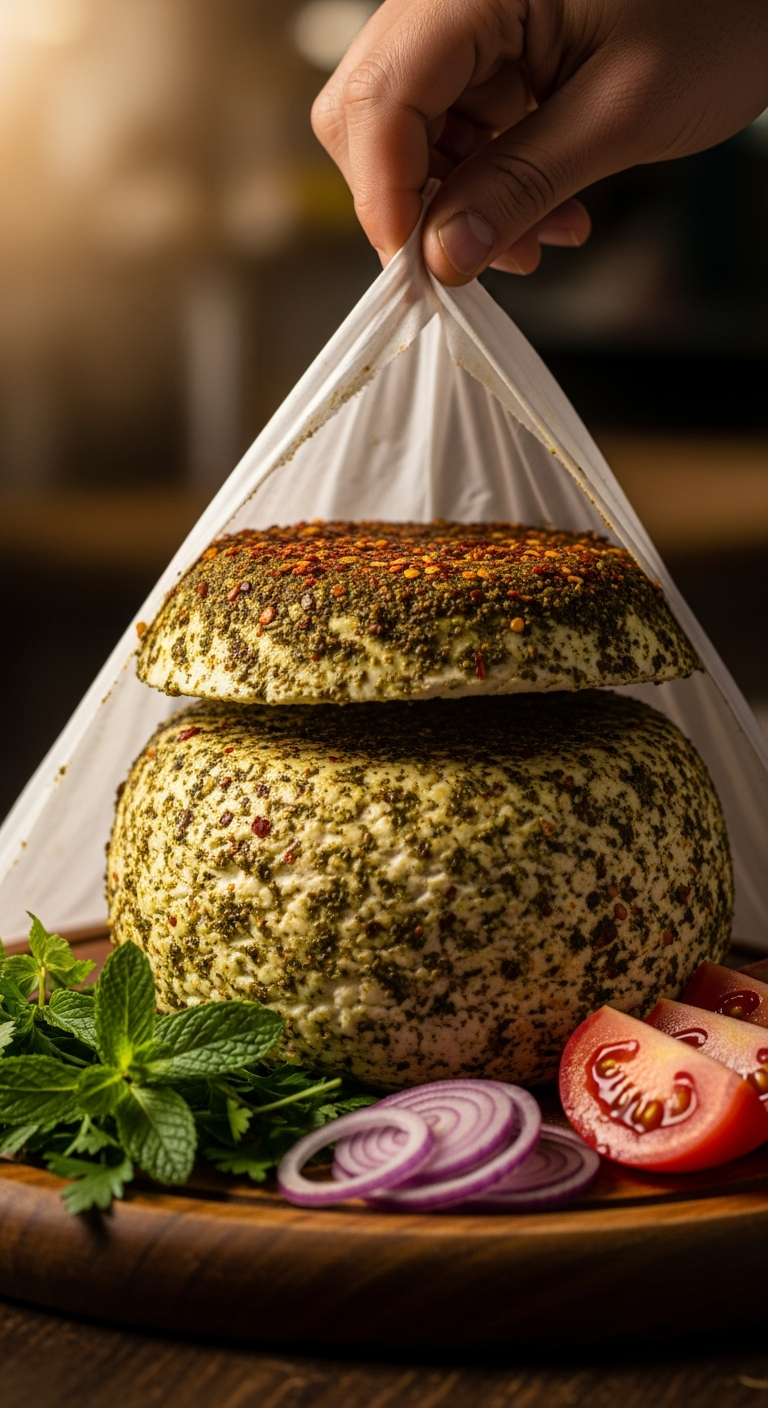
- Shape the cheese into small balls or discs using lightly oiled hands; for a classic touch, roll some balls in crushed dried thyme or chili flakes for added texture and aroma.
- Allow the balls to age in a cool, ventilated place for 7-14 days, turning daily. This develops the signature tangy, slightly crumbly texture that defines authentic shanklish.
- Once aged, place the cheese balls in a jar, cover with olive oil to preserve freshness, and refrigerate.
Chef’s Notes
- For a milder flavor, reduce the aging to 5 days.
- Sheep’s milk produces a richer, more aromatic shanklish, but cow’s milk is more accessible and yields excellent results.
- Experiment with herbs like mint or oregano during shaping for creative flavor twists.
- The fermentation process is crucial-ensure your yogurt is fresh with active cultures for best results.
- Shanklish can be stored in olive oil for up to two weeks; always use a clean utensil to avoid contamination.
Serving Suggestions
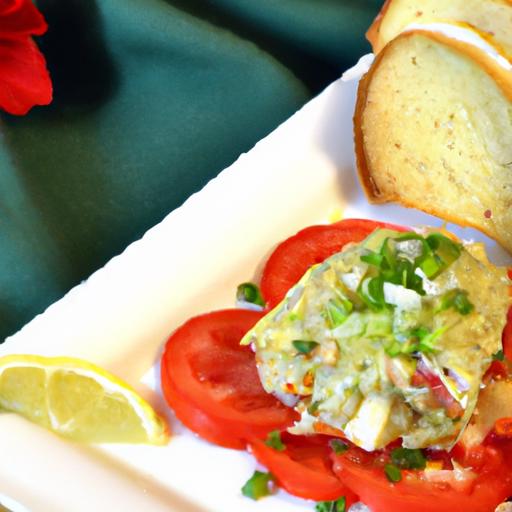
Shanklish is a versatile cheese that shines as a centerpiece on mezze platters alongside fresh vegetables, olives, and warm pita bread. Crumble it over salads for a tangy punch or mash it with tomatoes,onions,and herbs to create the beloved Levantine salad,shanklish salad. For an unexpected twist, try incorporating shanklish into flatbreads or atop grilled vegetables-its bold flavor pairs beautifully with smoky char and luminous citrus. Garnish with freshly chopped parsley, a drizzle of extra virgin olive oil, and a sprinkle of sumac to elevate presentation and taste.

| Nutrient | Per serving (30g) |
|---|---|
| Calories | 85 kcal |
| Protein | 5 g |
| Carbohydrates | 1 g |
| Fat | 7 g |
Creative Ways to Incorporate Shanklish into Modern Dishes
Shanklish’s bold,tangy profile makes it a brilliant ingredient to innovate with. Add crumbled shanklish as a topping on avocado toast to introduce a Levantine twist to your breakfast ritual. Blend it into creamy dips alongside roasted red peppers for a flavor-packed hummus alternative. Use it in pasta sauces combined with sautéed garlic and toasted pine nuts, or sprinkle atop pizza as a flavor-packed cheese alternative highlighting Mediterranean inspirations. Even your scrambled eggs can benefit from a crumble or two, adding a savory, piquant kick to start your day with excitement.
Selecting and Storing Shanklish for Optimal Freshness and Taste
when selecting shanklish, look for firm cheese balls with a rustic, slightly cracked exterior coated in herbs or spices. The aroma should be pleasantly pungent but not overpowering. If purchasing from a market, opt for freshly aged cheese stored under olive oil to maintain moisture. To store shanklish at home,keep it submerged in high-quality extra virgin olive oil in an airtight container inside the refrigerator. This preserves its creamy texture and enhances flavor over time. Allow the cheese to come to room temperature before serving to fully appreciate its fragrant complexity.
for further inspiration on levantine classics and how to pair shanklish, check out our detailed guide on Levantine mezze essentials. To deepen your understanding of traditional cheese fermentations, explore this FAO resource on dairy fermentation.
Q&A
Q&A: Shanklish Uncovered – The Tangy Cheese of the Levantine Table
Q1: What exactly is Shanklish?
A1: Shanklish is a traditional Levantine cheese, beloved for its robust tang and rustic charm. Crafted primarily from cow or sheep’s milk, it’s a fermented, aged cheese that boasts a crumbly texture and a pungent aroma.Think of it as the Levant’s answer to a bold blue cheese – unapologetically flavorful and deeply rooted in history.
Q2: How is Shanklish made?
A2: The making of Shanklish is a time-honored process. Fresh milk is curdled and drained, then formed into balls that are salted and left to ferment. Afterward, these cheese balls are typically coated with a blend of dried za’atar herbs and Aleppo pepper, before being aged for several weeks. This curing with spices not only intensifies the flavor but also forms a rugged, natural rind.
Q3: What does Shanklish taste like?
A3: Picture a bold symphony of tanginess, earthiness, and a whisper of spice. The cheese carries a sharp, slightly sour note balanced by the herbal complexity of the za’atar crust. Its robust flavor can be intense for some, with an almost fig-like depth mingled with a subtle smokiness from the aging process.
Q4: Where does Shanklish come from?
A4: Shanklish hails from the Levantine region – primarily Syria, Lebanon, and parts of Turkey and jordan. It has long been a staple of rural village tables, passed down through generations as both a dietary staple and a cultural treasure.
Q5: How is Shanklish traditionally enjoyed?
A5: Traditionally, Shanklish is crumbled over fresh, ripe tomatoes and olives, drizzled with olive oil, and accompanied by warm flatbreads. It’s often eaten for breakfast or as a meze – a small, flavorsome dish shared among friends. Some also enjoy it crushed into salads or paired with fresh herbs and garlic for a zesty kick.
Q6: Can Shanklish be used in modern or international cuisines?
A6: Absolutely! Its tangy, assertive flavor can elevate dishes ranging from salads and dips to pasta and even pizza. Creative chefs incorporate Shanklish to add a Levantine twist – think creamy spreads, bold dressings, or rustic cheese boards with figs and nuts. Its adaptability makes it a hidden gem for adventurous food lovers.
Q7: Where can one find Shanklish outside the Levant?
A7: Though not as globally widespread as other cheeses, Shanklish can occasionally be found in middle Eastern markets and specialty cheese shops worldwide. Increasing interest in Levantine cuisine has also inspired artisanal producers in various countries to recreate the recipe, making this tangy treasure more accessible than ever.
Q8: Why should cheese lovers give Shanklish a try?
A8: If you crave cheese that tells a story with every bite – rich in tradition, flavor, and character – Shanklish offers a delightful adventure. Its vibrant taste embodies the spirit of the Levant: warm, hearty, and unapologetically bold. Sampling Shanklish is like tasting a slice of history, steeped in culture and culinary artistry.
Dive into the tangy world of Shanklish, and you’ll discover much more than cheese – you’ll taste a legacy.
Insights and Conclusions
As we wrap up our journey into the world of Shanklish, this tangy treasure of the Levantine table reveals itself as more than just a cheese-it is indeed a vibrant thread woven through centuries of culture, tradition, and flavor. From its rustic origins to its place in modern kitchens, Shanklish invites us to savor not only its bold, zesty bite but also the stories it carries with every crumbly piece. Weather sprinkled over a fresh salad, paired with olives and herbs, or simply enjoyed with warm pita, Shanklish remains a tasty testament to the rich culinary heritage of the Levant. So next time you seek a taste that’s both ancient and alive, remember Shanklish-the modest cheese with a mighty tang.