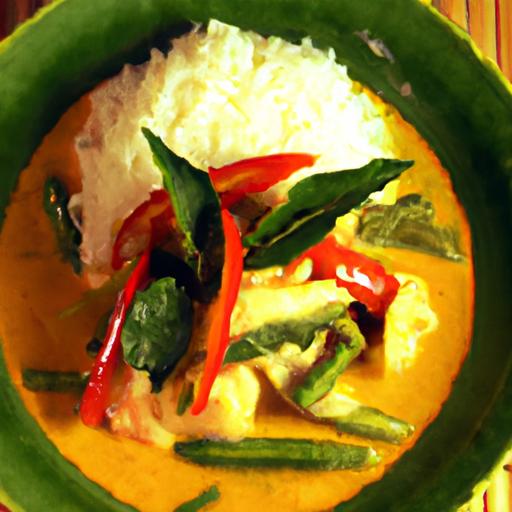

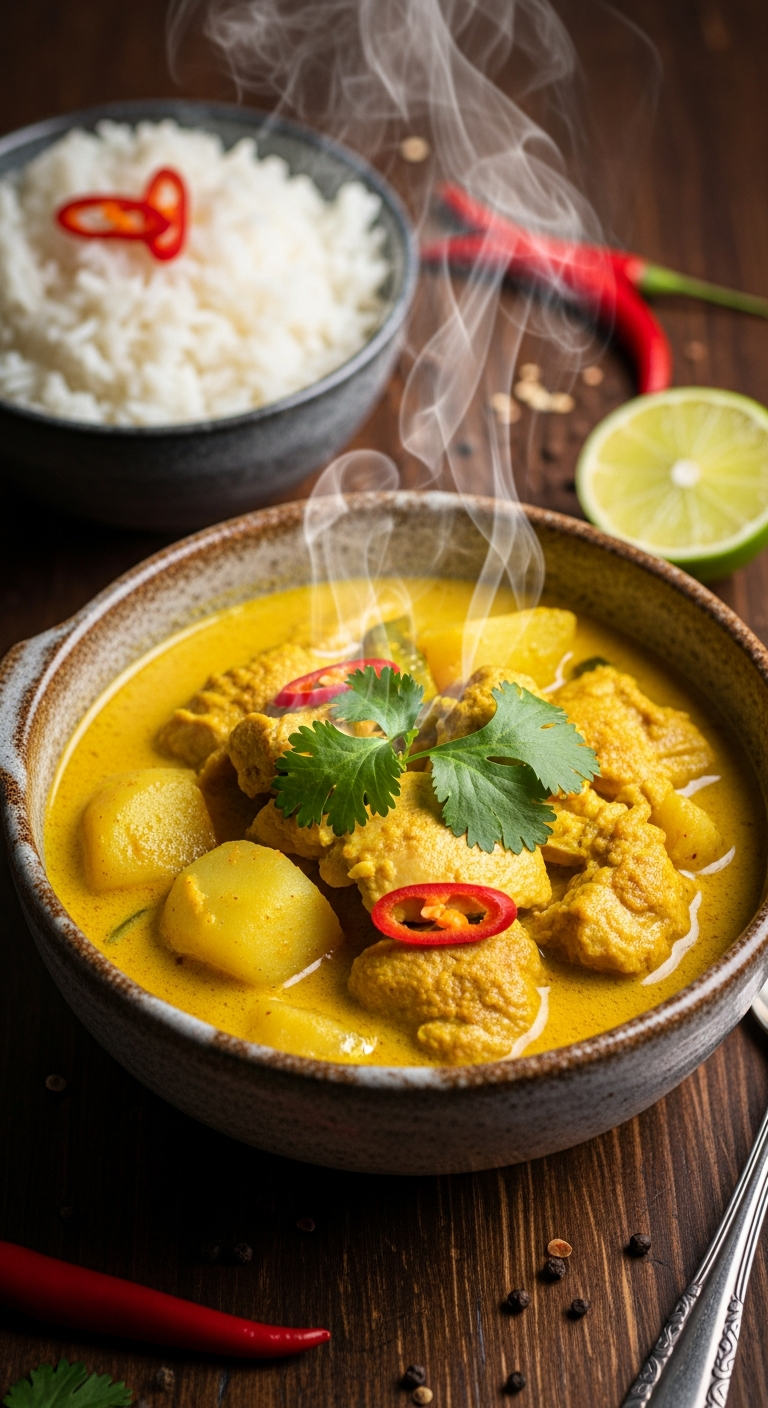
In the vibrant tapestry of Thai cuisine, few dishes captivate the senses quite like yellow curry. A harmonious blend of aromatic spices, creamy coconut milk, and bold flavors, Thai yellow curry is a culinary adventure that transports you to bustling street markets and serene temple-side eateries alike. This golden-hued delight is more than just a meal – itS a journey through history, culture, and the art of balance in Thai cooking. Join us as we delve into the origins, ingredients, and rich flavor profile of Thai yellow curry, uncovering the secrets behind it’s enduring popularity and inviting you to savor every spoonful of this golden spice journey.
golden Spice Journey: discovering Thai Yellow Curry’s Rich Flavor invites you to immerse yourself in a dish that marries history, culture, and vibrant taste in one aromatic bowl. Originating from Southern Thailand, this curry reflects centuries of culinary evolution influenced by Indian spices and local Thai ingredients, creating a uniquely mellow and rich flavor that is both comforting and exotic. My frist encounter with yellow curry was in bustling Bangkok markets, where the blend of turmeric and coconut milk painted the street air with warmth and spice. This dish is more than just a meal-it’s a story of tradition passed down through generations, a golden tapestry of flavor that transforms simple ingredients into a celebration on the plate.
Prep and Cook Time
- Planning: 15 minutes
- Cooking: 30 minutes
- Total Time: 45 minutes
Yield
Serves 4 generous portions
Difficulty Level
Medium – perfect for home cooks ready to explore authentic Thai flavors
Key Ingredients That Define the Vibrant Flavor Profile
- 2 tablespoons yellow curry powder (preferably homemade or high-quality for depth)
- 1 tablespoon turmeric powder for that essential golden hue and earthy aroma
- 1 can (14 oz) coconut milk – creamy and slightly sweet, it balances spice with richness
- 1 pound chicken thighs, cut into bite-sized pieces (skin-on for juiciness)
- 2 medium potatoes, peeled and cubed – absorb the curry beautifully
- 1 medium onion, finely sliced
- 3 cloves garlic, minced
- 1-inch piece of fresh ginger, grated
- 2 tablespoons fish sauce – for authentic umami depth
- 1 teaspoon palm sugar or brown sugar to balance flavors
- Fresh cilantro and sliced red chili for garnish and a fresh kick
Mastering the Cooking Process for Authentic Taste
- Heat 1 tablespoon of oil in a heavy-bottomed pan over medium heat. Add the sliced onions and sauté until golden brown, about 5 minutes, stirring occasionally to prevent sticking.
- Add minced garlic and grated ginger, cooking for an additional 2 minutes until fragrant.
- Stir in the yellow curry powder and turmeric, toasting the spices gently for 1-2 minutes to unlock their oils and brighten flavors.
- Pour in the coconut milk slowly while stirring, allowing it to incorporate smoothly without separating.
- Bring the mixture to a simmer, then add the chicken pieces and cubed potatoes.
- Season with fish sauce and palm sugar, adjusting to balance salty and sweet.
- Cover and simmer gently for 20 minutes or until the chicken is cooked through and the potatoes are tender.
- Uncover and simmer for an additional 5 minutes if needed, to thicken the curry slightly.
- Finish by tasting and adjusting seasoning. Remove from heat and let the curry rest for a few minutes to deepen flavors before serving.
Top Pairings and Serving Suggestions to Elevate Your Meal
Serve this glowing curry atop a bed of fragrant jasmine rice, allowing each spoonful to soak up the luxurious sauce. For a fresh contrast, add a side of crunchy cucumber salad drizzled with lime and toasted peanuts. Garnish with chopped cilantro and thinly sliced red chili, offering bursts of freshness and a hint of heat. For the adventurous,pair it with a cool Thai iced tea or a light lager to cleanse the palate and enhance the golden spice journey you’re about to savor.
Chef’s Notes & Tips for Success
- Spice Control: Adjust the amount of yellow curry powder based on your heat preference; homemade paste tends to be milder than store-bought powders.
- Protein Variations: Substitute chicken for tofu or shrimp for a vegetarian or seafood twist that still captures rich flavors.
- Make Ahead: This curry tastes even better the next day as the flavors meld-prepare in advance for an effortless, elevated dinner.
- Vegetable Boost: Add carrots or bell peppers in step 6 for additional color and sweetness.
- Balancing Act: If the curry becomes too thick, stir in a splash of coconut milk or warm water to loosen the sauce.
| Nutrition per Serving | Amount |
|---|---|
| Calories | 380 |
| Protein | 28g |
| Carbohydrates | 20g |
| Fat | 22g |

For those intrigued by the nuances of Thai cuisine, explore our Ultimate Thai curry Guide to deepen your expertise.To understand more about the health benefits of turmeric-the star component in this curry-visit the NIH turmeric research.
Q&A
Q&A: Golden Spice Journey – Discovering Thai Yellow Curry’s Rich Flavor
Q1: What makes Thai Yellow Curry distinct from othre Thai curries?
A1: Thai yellow Curry, or “Kaeng Kari,” stands out with its warm, inviting golden hue, which comes primarily from turmeric. Unlike its spicier siblings like Green or Red Curry, Yellow Curry offers a milder, creamier flavor profile, balancing earthy spices with coconut milk’s richness. It’s a comforting introduction to Thai cuisine’s complexity without overwhelming heat.
Q2: What are the key ingredients that shape the flavor of Thai Yellow Curry?
A2: The quintessential ingredients include turmeric, cumin, coriander, and cinnamon, which lend the curry its signature warmth and depth. Fresh garlic, lemongrass, and galangal provide aromatic brightness, while coconut milk smooths the spice edges into a luscious, velvety sauce.Potatoes often enhance texture and absorb the delicate flavors beautifully.
Q3: How did Thai Yellow Curry come to be?
A3: Thai Yellow Curry is a culinary crossroads, influenced by India’s rich spice traditions and localized through Thailand’s abundant herbs and coconut. Historically, traders exchanged spices and techniques, resulting in this fragrant fusion. Its mild, sweet undertones catered well to royal palates and village tables alike, weaving into Thailand’s diverse food tapestry.
Q4: Can Thai Yellow Curry be adapted for different dietary preferences?
A4: Absolutely! While traditionally cooked with chicken or beef, Thai Yellow Curry is incredibly versatile. Vegetarians can enjoy it with tofu and seasonal vegetables, while pescatarians might add shrimp or fish. The use of coconut milk ensures the dish remains rich and satisfying, whether meat-based or plant-forward.
Q5: What are some tips for cooking authentic Thai Yellow Curry at home?
A5: Start by toasting your spices gently to awaken their aroma before blending into a curry paste. Use fresh turmeric if you can find it, or high-quality powder for authenticity. Don’t rush the simmer – allowing potatoes and protein to soak up the curry’s essence results in the best harmony of flavors. adjust the coconut milk to your desired balance between creaminess and spice.
Q6: How is Thai Yellow Curry typically served and enjoyed?
A6: Traditionally, Yellow Curry is served over steamed jasmine rice, which soaks up every golden drop. It’s often accompanied by crisp cucumber slices or a side of fresh herbs to brighten the palate. The dish’s gentle spicing makes it perfect for all ages,often enjoyed at family gatherings or festive celebrations.
Q7: What cultural meaning does Thai Yellow Curry hold?
A7: Beyond its delightful taste, Thai Yellow Curry symbolizes the blending of cultures and the beauty of culinary journeying. It represents warmth and hospitality, often prepared during communal meals that celebrate connection and comfort. Its mellow flavor mirrors the Thai ethos of balance – between spice and sweetness, tradition and innovation.
Concluding Remarks
As our Golden Spice journey comes to a close, the vibrant hues and complex layers of Thai yellow curry linger on the palate and in the creativity. This timeless dish, steeped in history and infused with a medley of aromatic spices, invites more than just a taste-it beckons a deeper appreciation for Thailand’s rich culinary heritage. Whether simmered gently on a stovetop or savored at a bustling street market, yellow curry embodies the harmonious balance of warmth, sweetness, and subtle heat that defines Thai cuisine. So next time you indulge in this golden treasure, remember that each spoonful carries the stories, traditions, and passion of a culture dedicated to flavor in its most radiant form.