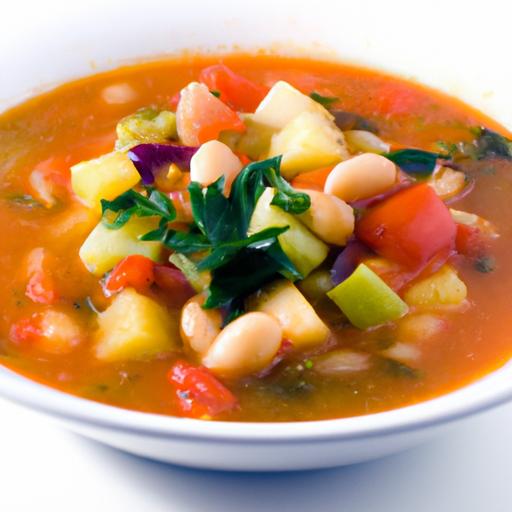

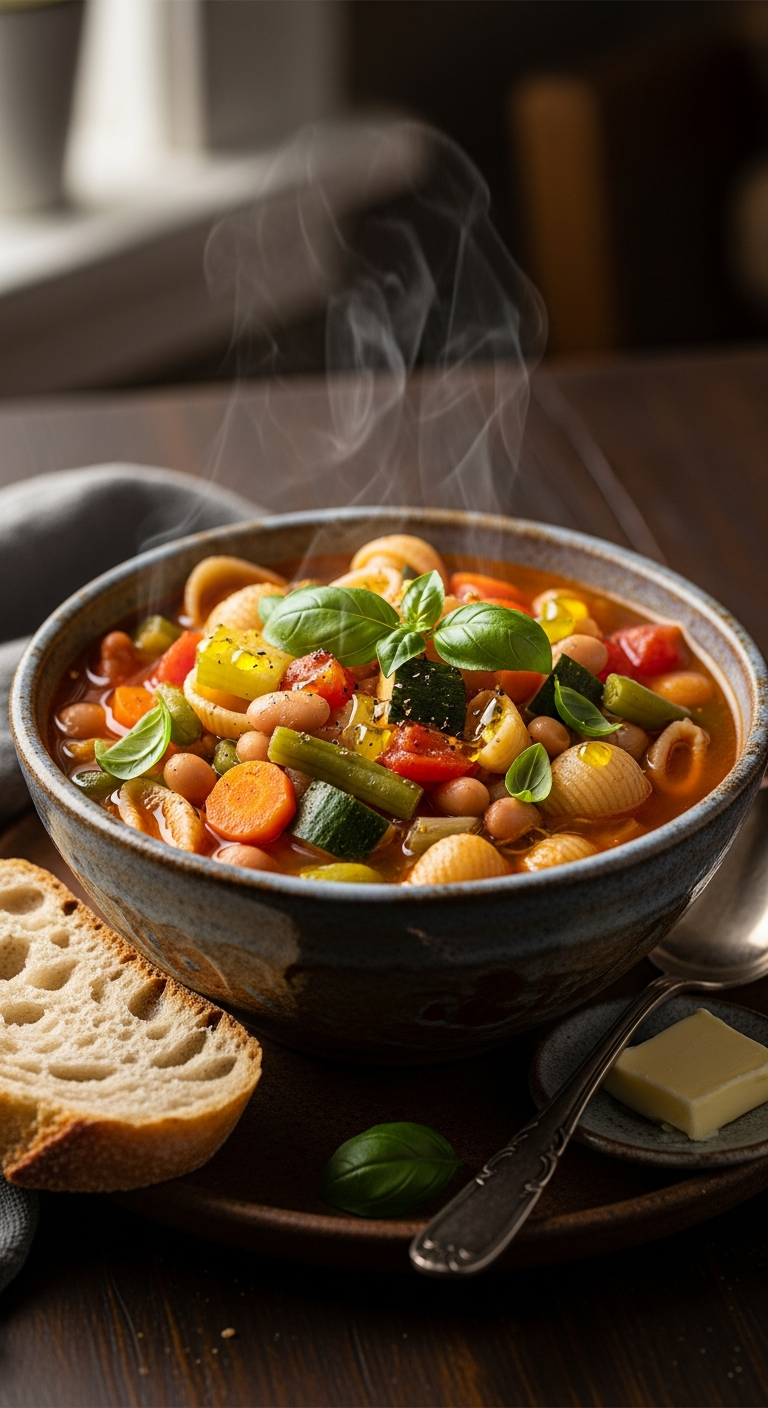
There’s something irresistibly comforting about a warm bowl of minestrone soup-a vibrant medley of garden-fresh vegetables,tender beans,and fragrant herbs,all simmered together to create a hearty,soul-nourishing classic. Whether you’re seeking a satisfying meatless meal or simply eager to celebrate the rich flavors of seasonal produce, this vegetarian minestrone recipe offers a timeless blend of nutrition and taste. Join us as we explore the art of crafting this flavorful italian favorite, where every spoonful tells a story of tradition, wholesomeness, and culinary joy.
Hearty Vegetarian Minestrone Soup embodies the essence of comforting Italian cuisine, blending a vibrant medley of fresh vegetables, tender beans, and fragrant herbs in a rich broth. This timeless recipe traces its roots back to the humble kitchens of Italy’s northern regions, where resourcefulness met seasonal bounty to craft a nourishing and soul-warming dish. As a longtime culinary enthusiast, I find there’s something truly magical in the way this soup brings warmth and satisfaction on cooler days, offering a wholesome, flavorful experience that feels like a cozy hug in a bowl.
Prep and Cook Time
- Readiness: 20 minutes
- Cooking: 45 minutes
- Total Time: 1 hour 5 minutes
Yield
Serves 6 generous bowls
Difficulty Level
Easy to Medium – perfect for cooks of all levels eager to dive into classic hearty soups
Ingredients That Bring Depth and Comfort to Your Minestrone
- 2 tbsp extra virgin olive oil – the golden foundation for sautéing,adding silky richness
- 1 medium yellow onion,finely chopped – sweet and fragrant,creating a flavorful base
- 2 cloves garlic,minced – aromatic and essential for depth
- 2 medium carrots,diced – offering subtle sweetness and texture
- 2 celery stalks,chopped – a classic mirepoix component,lending earthiness
- 1 zucchini,diced – tender and slightly nutty
- 1 cup green beans,trimmed and chopped – crisp-tender bursts of freshness
- 1 cup cooked cannellini beans (or 1 can,drained and rinsed) – creamy protein powerhouses
- 1 (14 oz) can diced tomatoes,with juices – tangy brightness to balance the broth
- 6 cups vegetable broth,preferably homemade or low-sodium – the soul of the soup
- 1 bay leaf – subtle warmth and complexity
- 1 tsp dried oregano – herbal notes key to Mediterranean flavor
- 1 tsp fresh thyme leaves (or ½ tsp dried) – adds subtle bitterness and earthiness
- ½ cup small pasta (ditalini or elbow macaroni) – hearty little morsels that soak up the broth
- Salt and freshly ground black pepper,to taste – the essential final seasoning
- Freshly chopped parsley and grated Parmesan cheese,for garnish – bright,fresh contrast and indulgence
Step by Step Guide to Achieving the Perfect flavor Balance
- Warm the olive oil in a large Dutch oven or heavy-bottomed pot over medium heat until shimmering.
- add onion,carrots,and celery,sauté gently until softened and translucent,about 7-8 minutes,stirring frequently enough to coax out their sweetness.
- Stir in the garlic and cook for 1 minute until fragrant, avoiding browning to prevent bitterness.
- Add zucchini and green beans, cook for 3-4 minutes to slightly tenderize while maintaining crispness.
- Pour in the diced tomatoes with their juices, stirring to combine and release their acidity into the mix.
- Pour the vegetable broth along with the bay leaf, oregano, and thyme. Bring the mixture to a gentle boil, then reduce heat to a simmer.
- Simmer uncovered for 20 minutes to allow flavors to meld, stirring occasionally to prevent sticking.
- Add cannellini beans and pasta to the pot. Continue simmering until pasta is al dente, about 10 minutes.
- Remove the bay leaf,taste the broth,and adjust salt and pepper for balanced flavor.
- Serve immediately, garnished generously with chopped parsley and a sprinkle of parmesan cheese for a luscious finish.
Tips for Customizing Your Soup to Suit Any Season or Palate
- Seasonal swaps: Replace zucchini with diced butternut squash or sweet potato in fall; add fresh peas or asparagus tips in spring.
- Protein variations: For extra richness, stir in cooked lentils or chickpeas; omit pasta for a lighter, lower-carb option.
- Herbal twists: Experiment with basil or rosemary for choice aromatic profiles.
- Spice it up: Add a pinch of red pepper flakes or smoked paprika to introduce a subtle warmth without overpowering the classic flavors.
- Makes-ahead advantage: Soup flavors deepen overnight. Refrigerate in airtight containers up to 3 days or freeze in portions for up to 2 months.
Serving Suggestions and Pairings to Elevate Your Hearty Meal
To complement this hearty vegetarian minestrone soup, serve piping hot with crusty artisan bread or garlic focaccia for dipping into the rich broth. A crisp green salad with a lemon vinaigrette brightens the palate, while a glass of chilled Pinot Grigio or a light Italian red like Chianti pairs beautifully. For a more indulgent touch, offer shaved Parmesan alongside a drizzle of extra virgin olive oil. Garnishing bowls with fresh basil leaves or a sprinkle of toasted pine nuts can add an unexpected burst of texture and color, transforming this humble soup into a feast for the senses.
For further inspiration on Italian vegetarian dishes, see our Easy Vegetarian Pasta Recipes. For health and nutritional insights on legumes used in this recipe, visit Healthline’s beans nutrition guide.
| Nutrient | Per Serving |
|---|---|
| Calories | 220 kcal |
| Protein | 10 g |
| Carbohydrates | 35 g |
| Fat | 4.5 g |

Q&A
Q&A: Hearty Vegetarian Minestrone Soup – A Flavorful Classic recipe
Q1: What makes minestrone soup a “hearty” dish?
A1: Minestrone earns its “hearty” reputation thanks to its robust medley of ingredients-think chunky vegetables, tender beans, and frequently enough comforting pasta or rice. This rich combination creates a satisfying, soul-warming bowl that’s as filling as it is indeed flavorful.
Q2: Why is minestrone considered a classic recipe?
A2: Minestrone soup has deep roots in Italian culinary tradition, dating back centuries. It’s a masterpiece of humble ingredients coming together to create something greater than the sum of its parts-a timeless, adaptable dish that has nourished generations.Q3: Can this minestrone soup be made fully vegetarian without losing flavor?
A3: Absolutely! By focusing on fresh seasonal vegetables, hearty beans, savory herbs like rosemary and thyme, plus a splash of tomato richness, the soup develops layers of flavor.Using vegetable broth instead of meat stock keeps it vegetarian while maintaining depth and warmth.
Q4: Which vegetables work best in a vegetarian minestrone?
A4: Classic choices include carrots, celery, onions, zucchini, and tomatoes. Adding leafy greens like spinach or kale boosts nutrition and color.Seasonal vegetables like butternut squash or green beans can also add delightful twists.
Q5: What role do beans play in this soup?
A5: beans add creaminess, protein, and substance-key elements that make the soup hearty and satisfying. Cannellini or kidney beans are traditional favorites, bathing the broth in gentle earthiness and balancing the bright veggies.Q6: Is pasta essential in minestrone soup?
A6: While pasta is traditional and provides that lovely tender bite, it’s optional. Some prefer to skip it for a lighter version or substitute with grains like rice, barley, or quinoa for unique textures.
Q7: How can I make this soup more flavorful without adding meat?
A7: Building flavor starts with sautéing your aromatics like garlic, onion, and celery in olive oil. A splash of white wine or a touch of balsamic vinegar can brighten the broth.Fresh herbs and a sprinkle of Parmesan (or vegan alternative) at the end add that finishing touch.
Q8: Can this soup be made ahead of time?
A8: Yes! Minestrone benefits from resting, as the flavors meld beautifully overnight.Just keep pasta separate if you want to prevent it from getting mushy. Reheat gently, adding the pasta fresh if needed.
Q9: What’s the best way to serve hearty vegetarian minestrone soup?
A9: Ladle it over rustic bread, drizzle with good quality olive oil, and garnish with fresh basil or parsley. It pairs wonderfully with a simple green salad or a glass of dry white wine.
Q10: Is minestrone soup suitable for all seasons?
A10: Certainly! While it’s famously comforting in the colder months, minestrone is versatile enough for year-round enjoyment. Swap vegetables based on what’s fresh-early spring asparagus and peas, summer tomatoes and zucchini, or hearty autumn squash-to keep the soup vibrant and seasonal.
In Conclusion
As the steam rises from your bowl of this hearty vegetarian minestrone soup, you’re not just enjoying a meal-you’re savoring a timeless tradition brimming with vibrant flavors and wholesome ingredients. This classic recipe invites you to embrace the warmth of rustic Italy, one spoonful at a time, proving that comfort food can be both nourishing and delightfully satisfying. Whether it’s a chilly evening or a simple weeknight craving, this minestrone offers a perfect balance of freshness and heartiness, reminding us all that good food, made with love and vegetables, truly warms the soul. So next time you’re seeking a flavorful, comforting dish, give this vegetarian minestrone a try-it’s a bowl of history, health, and happiness all in one.