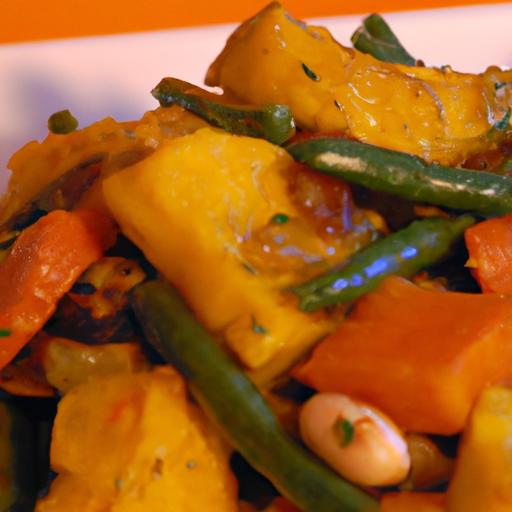

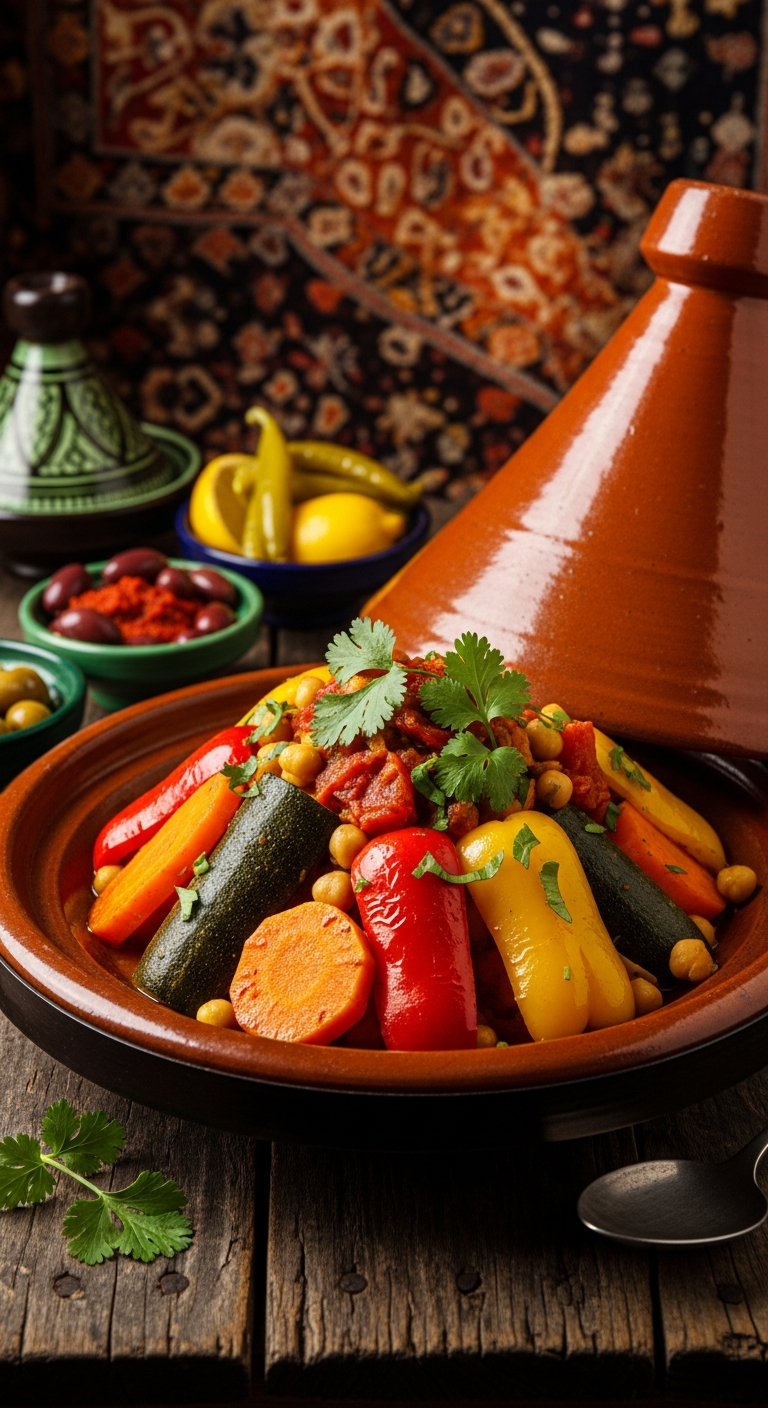
In the heart of Moroccan cuisine lies a dish that is as vibrant and rich in history as the bustling souks and sun-soaked medinas from which it originates: the vegetable tagine. More than just a meal, this slow-cooked masterpiece is a festivity of nature’s bounty, were tender vegetables, fragrant spices, and luscious herbs meld together in a symphony of flavors. “Savor the Flavors: A Guide to Moroccan Vegetable Tagine” invites you on a culinary journey to discover the secrets behind this iconic dish. Whether you’re a seasoned cook or a curious foodie, this guide will unlock the magic of Moroccan spices and the timeless art of tagine cooking, inspiring you to bring a taste of North Africa’s vibrant culture into your own kitchen.
Savor the Flavors: A Guide to Moroccan Vegetable Tagine invites you on a culinary journey to the heart of Morocco, where vibrant colors, aromatic spices, and rich traditions blend in every hearty bite. This beloved dish tells a story of communal cooking, where vegetable gardens and local markets influence the freshest and most authentic ingredients. A personal encounter with a Moroccan chef revealed that each tagine is a celebration of both history and home, capturing the soul of North African hospitality in a single, fragrant pot.
Selecting the Freshest Ingredients for Authentic Flavors
Using fresh, quality ingredients is essential to truly savor the flavors in this Moroccan vegetable tagine. Locally sourced vegetables like carrots, zucchini, eggplant, and tomatoes should be firm, vividly colored, and ripe to strike the perfect balance of texture and sweetness. Root vegetables add comforting earthiness,while fresh herbs such as cilantro and parsley brighten each bite.Don’t hesitate to visit your local farmer’s market or specialty stores where the freshest produce is within reach-this makes all the difference in an authentic tagine experience.
Mastering the Art of Spice blending for a Perfect Tagine
no Moroccan tagine is complete without a signature spice blend. Achieving the ideal balance of warmth, sweetness, and earthiness is part science, part artistry. Traditional spices include cumin, coriander, cinnamon, ginger, and turmeric, accented with a touch of fiery paprika or cayenne for depth. Toasting whole spices gently before grinding releases essential oils and multiplies their fragrance. Remember to blend your spices just before cooking to preserve aroma and freshness. This harmonious mix is what makes the tagine not just a meal but an unforgettable sensory experience.
Expert Tips for Cooking and Serving Your Vegetable Tagine
patience is key when preparing a vegetable tagine. Slow simmering allows the spices to meld perfectly with tender vegetables, resulting in a juicy, flavorful stew. Use a traditional tagine pot with its conical lid to circulate steam, intensifying flavors and yielding veggies that are perfectly tender without losing their integrity. If unavailable, a heavy-bottomed Dutch oven can suffice. Stir gently to keep the vegetables intact, and taste frequently enough to adjust seasoning. For serving, present your tagine right from the pot to the table-a feast for the eyes and also the palate. Garnish with toasted almonds, fresh cilantro, and a drizzle of preserved lemon vinaigrette for an authentic finishing touch.
Prep and cook Time
- Planning: 20 minutes
- Cooking: 45 minutes
- Total Time: 1 hour 5 minutes
yield
Serves 6 generous portions
Difficulty Level
Medium – perfect for cooks eager to explore vibrant spices and layered flavors
Ingredients
- 3 tbsp olive oil
- 1 large onion, thinly sliced
- 3 cloves garlic, minced
- 2 medium carrots, peeled and cut into 1-inch pieces
- 2 zucchinis, sliced
- 1 medium eggplant, cubed
- 3 large tomatoes, diced or 1 cup canned crushed tomatoes
- 1 red bell pepper, sliced
- 1 cup chickpeas, cooked or canned
- 1/4 cup fresh cilantro, chopped
- 1/4 cup fresh parsley, chopped
- 1 tsp ground cumin
- 1 tsp ground coriander
- 1/2 tsp turmeric
- 1/2 tsp cinnamon
- 1/4 tsp smoked paprika
- 1/8 tsp cayenne pepper (optional for heat)
- salt and freshly ground black pepper, to taste
- 1 1/2 cups vegetable broth
- 1 preserved lemon, finely chopped (optional)
- toasted slivered almonds for garnish
Instructions
- Heat the olive oil in a tagine or heavy-bottomed pot over medium heat. Add the onion and garlic and sauté until translucent and fragrant, about 5 minutes.
- Add the carrots and red bell pepper, stirring occasionally to coat with oil and soften, cooking for another 5 minutes.
- Stir in the spices</-cumin, coriander, turmeric, cinnamon, paprika, cayenne-and cook for 1 minute to bloom their aromas.
- Add the eggplant, zucchini, tomatoes, chickpeas, and preserved lemon if using. Mix gently to combine ingredients without breaking vegetables.
- Pour in vegetable broth, season with salt and pepper, then bring to a gentle simmer.
- Cover with the lid and reduce heat to low. Let the tagine cook slowly for 35-40 minutes, or until all vegetables are tender but not mushy.
- Check occasionally to ensure it isn’t drying out; add a splash of water or broth if necessary.
- Finish by folding in fresh parsley and cilantro just before serving for a burst of fresh color and flavor.
Chef’s Tips for Success
- If you prefer more protein, add cubed firm tofu or roasted chickpeas before serving.
- Use preserved lemon sparingly-it adds tremendous depth but can be overpowering.
- To deepen flavor, prepare the spice blend in advance and toast the whole spices yourself before grinding.
- Make-ahead tip: The tagine tastes even better the next day-store leftovers in the fridge for up to 3 days.
- For a vegan twist, ensure your broth is vegetable-based and substitute honey with agave or omit sweeteners.
Serving Suggestions
Serve your Moroccan vegetable tagine piping hot with fluffy couscous or warm whole-grain bread to soak up the rich sauce. Garnish with a sprinkle of toasted slivered almonds, a handful of freshly chopped cilantro, and thinly sliced preserved lemon peel. Pair with a crisp green salad dressed with lemon vinaigrette for a balanced meal that dazzles the senses.
| Nutrient | Per Serving |
|---|---|
| Calories | 285 |
| Protein | 8g |
| Carbohydrates | 42g |
| Fat | 8g |

for further inspiration, discover more about North african cuisine in our North African Spice Guide. To deepen your understanding of traditional tagine cookware, visit this britannica article on Moroccan Tagine.
Q&A
Q&A: Savor the Flavors – A Guide to Moroccan Vegetable Tagine
Q1: What exactly is a Moroccan vegetable tagine?
A1: A Moroccan vegetable tagine is a vibrant, slow-cooked stew featuring a colorful medley of fresh vegetables, aromatic spices, and often fragrant herbs. Named after the iconic conical clay pot in which it’s traditionally cooked, this dish is a harmonious blend of flavors-earthy, sweet, and subtly spicy-that captures the heart of Moroccan cuisine.
Q2: Why is the tagine both a dish and a pot?
A2: The term “tagine” refers to both the unique cooking vessel and the dish prepared within it. The tagine pot’s conical lid traps steam as food simmers slowly, returning moisture to the dish and concentrating flavors. This ingenious design allows vegetables to tenderize perfectly while their essence infuses into the spices, creating a mouthwatering symphony of taste.
Q3: What vegetables are typically used in a Moroccan vegetable tagine?
A3: The beauty of a vegetable tagine lies in its versatility. Common ingredients include carrots,zucchini,eggplant,potatoes,tomatoes,bell peppers,and butternut squash. Root vegetables often add earthiness, while dried fruits like apricots or raisins can lend delightful bursts of sweetness that contrast masterfully with warm spices.
Q4: Which spices define the flavor profile of a Moroccan vegetable tagine?
A4: The soul of the tagine is in its spices. classic Moroccan blends feature ground cumin, coriander, ginger, cinnamon, turmeric, and often a pinch of saffron. These spices weave together a warm and complex backdrop that enhances, rather than overwhelms, the natural sweetness of the vegetables.
Q5: How do you make sure the vegetables don’t turn mushy during the long cooking process?
A5: Timing and layering are key.Denser vegetables like potatoes or carrots go in first to soften gradually, while tender items like zucchini and tomatoes are added later to prevent overcooking. The slow simmer and the tagine pot’s moisture-trapping properties ensure each vegetable becomes perfectly tender yet retains its shape.
Q6: Can you make a vegetable tagine without a traditional tagine pot?
A6: Absolutely! A heavy-bottomed Dutch oven or a deep cast-iron skillet with a tight-fitting lid works perfectly. The goal is to create a low-and-slow cooking surroundings that keeps moisture in, allowing the flavors to meld and the vegetables to steam gently in their own juices.
Q7: What are some traditional accompaniments to serve with a vegetable tagine?
A7: moroccan vegetable tagine is traditionally served over fluffy couscous, which soaks up the rich sauce beautifully. Fresh, warm bread like khobz invites communal dipping, while a crisp side salad with fresh herbs and lemon provides a refreshing contrast.
Q8: How does a vegetable tagine reflect Moroccan culture?
A8: Beyond its flavors, the vegetable tagine embodies the Moroccan spirit of hospitality and community. It’s often prepared for family gatherings or celebrations, symbolizing warmth, shared tradition, and the artful melding of nature’s bounty with centuries-old culinary wisdom.
Q9: Any tips for elevating the homemade tagine experience?
A9: Don’t rush the slow cooking-patience draws out the deepest flavors.Toast your spices gently before adding them to unleash their oils. Experiment with adding preserved lemons or olives for a tangy underpinning. And garnish with fresh cilantro or parsley to brighten the dish just before serving.
Q10: Where can someone find recipes or learn more about Moroccan vegetable tagine?
A10: Dive into Moroccan cookbooks, food blogs dedicated to North African cuisine, or cooking classes that celebrate traditional methods. Exploring marketplaces stocked with authentic spices or visiting Moroccan restaurants can also be inspiring ways to immerse yourself in the flavors and stories of tagine.
The Conclusion
As the fragrant steam rises from your pot, carrying the rich aroma of spices and tender vegetables, you’ve not only cooked a dish-you’ve crafted a story steeped in Moroccan tradition. This vegetable tagine, with its vibrant colors and complex flavors, invites you to savor more than a meal; it’s an experience that connects you to a culture where food is both art and comfort. Whether enjoyed with warm bread or fluffy couscous, let each bite transport you to the bustling souks and sun-drenched landscapes of Morocco. So, gather your ingredients, embrace the slow-cooked magic, and let your kitchen become a gateway to a world of flavor-as every tagine tells a tale worth tasting.