
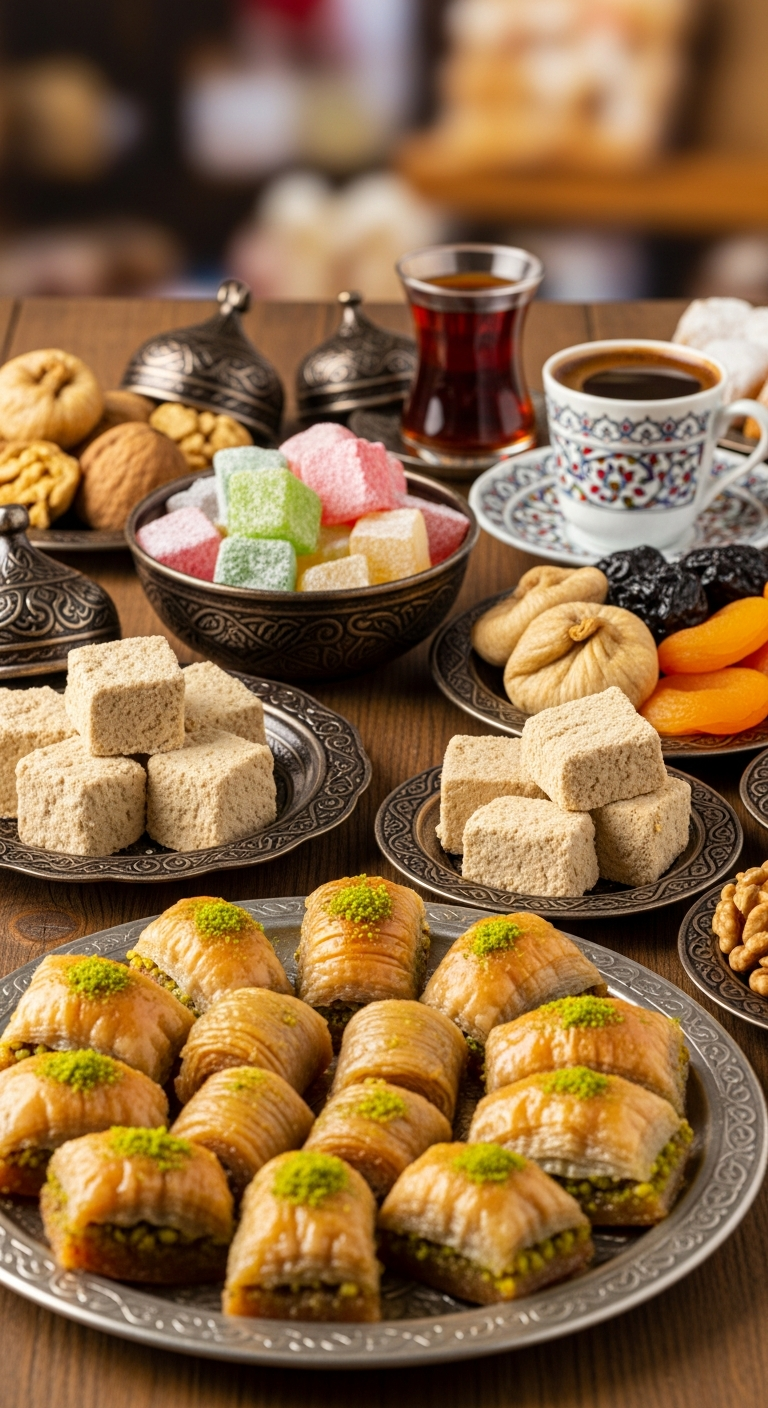
In the heart of bustling bazaars and sunlit tea gardens, a timeless treasure awaits to enchant your senses-Turkish delights.These sweet morsels, known locally as “lokum,” are more than just confections; they are edible stories, woven through centuries of tradition, culture, and craftsmanship. Each bite reveals a delicate balance of flavors and textures, from the soft, chewy center to the fragrant dusting of powdered sugar or pistachios.Join us as we unwrap the rich history and tantalizing varieties of Turkish delights, exploring how these sugary gems continue to captivate taste buds and keep ancient customs alive in every delicious piece.
Turkish Delights are more than just confections; they are a gateway into centuries of rich cultural traditions and regional artistry. Originating in the Ottoman Empire, these jewel-toned sweets have been lovingly crafted and savored across anatolia and beyond. Their enchanting blend of rosewater, citrus, nuts, and spices evokes stories of ancient bazaars and festive gatherings, making them a beloved symbol of hospitality and festivity.
Prep and Cook Time
- Preparation: 20 minutes
- Cooking: 1 hour 20 minutes
- Total Time: 1 hour 40 minutes
Yield
- Approximately 40 pieces (1-inch cubes)
Difficulty Level
- Medium – requires patience and attention to temperature
Ingredients
- 2 cups granulated sugar
- 1 cup water, divided
- 1/2 cup cornstarch
- 1 tsp cream of tartar
- 2 tbsp lemon juice
- 1 1/4 cups water (for starch mixture)
- 1 tbsp rosewater (authentic aroma, adjust as preferred)
- 1/2 cup chopped pistachios or walnuts (optional)
- Powdered sugar mixed with cornstarch for dusting
Instructions
- Prepare the sugar syrup: Combine granulated sugar, 1 cup water, and lemon juice in a heavy-bottomed saucepan.Bring to a boil over medium heat, then reduce heat and simmer until the syrup reaches 240°F (soft-ball stage). Use a candy thermometer for accuracy.
- Mix the starch slurry: In a separate pot,whisk together cornstarch,cream of tartar,and 1 1/4 cups water until smooth. Heat over medium heat, stirring constantly until it thickens to a glue-like consistency.
- Combine the mixtures: Slowly pour the hot sugar syrup into the thickened starch mixture, stirring vigorously to avoid lumps.
- Cook the delight: Reduce heat to low and simmer the mixture, stirring constantly, until it thickens and turns translucent (about 45-60 minutes). This stage requires patience; stirring prevents scorching.
- Add flavor and nuts: Remove from heat and stir in rosewater and chopped pistachios if using, folding gently for even distribution.
- Set the confection: Pour the mixture into a greased or parchment-lined square pan (8×8 inches). Smooth the surface with a spatula. Let it cool and set at room temperature for at least 4 hours, ideally overnight.
- Prepare the dusting: Mix equal parts powdered sugar and cornstarch in a shallow dish. Using a sharp knife dusted with the mixture, cut the set delight into cubes and roll each piece in the dusting to prevent sticking.
Tips for Success
- Use a candy thermometer to ensure precise syrup cooking stages-this is the key to the perfect chewy texture.
- Keep stirring during cooking to avoid clumps and ensure even consistency.
- For a gluten-free version, cornstarch works perfectly; avoid flour which changes texture and flavor.
- Make ahead and store in an airtight container at room temperature for up to 2 weeks; dust with fresh powdered sugar before serving.
- Experiment with flavor extracts like orange blossom or citrus zest for regional twists.
Serving Suggestions
Turkish Delight is traditionally paired with strong, aromatic tea or rich Turkish coffee to balance its gentle sweetness. Present the cubes on a decorative platter dusted with rose petals or crushed pistachios for an elegant touch. Adding alongside dried fruits and nuts offers an inviting array for guests. For a contemporary take, serve alongside creamy cheeses or use as a garnish in desserts for layered texture and flavor.
| Nutrient | Per Serving (1 cube) |
|---|---|
| calories | 70 |
| Protein | 0.2g |
| Carbohydrates | 17g |
| Fat | 0.1g |
Pairing Turkish Delights with Tea and Coffee for an Enhanced Tasting Experience
Nothing complements the delicate flavor nuances of Turkish Delights quite like a well-brewed cup of turkish coffee or a fragrant black tea.The bitterness of these beverages masterfully contrasts the sweetness and fragrant floral notes of the delights. Try serving them with authentic Turkish coffee for a true sensory journey. For tea, a lightly brewed Rize tea brings refreshing tannins that refresh the palate, encouraging you to savor each bite.
Exploring Flavor Variations and ingredients That Define Authentic Turkish Delight
While the classic rosewater-pistachio remains a time-honored favorite, regional variants introduce zesty lemons, vibrant pomegranates, and warm spices like cinnamon.Some artisans layer delight with creamy dairy or infuse it with herbal essences. Regardless of the variant, the essence of authentic Turkish Delights lies in the tactile chewiness balanced with aromatic flavors-a signature that continues to enchant palates worldwide.
Where to Find the Finest Turkish Delights and Tips for Selecting Quality Sweets
For true enthusiasts, sourcing authentic Turkish Delights comes down to selecting renowned producers who uphold traditional preparation methods. Local markets in Istanbul’s Eminönü district or specialty shops that import from Gaziantep, Turkey’s confectionery capital, are exceptional starting points. When buying, look for delicacies that boast a translucent sheen, subtle scent of rosewater, and no overly sticky texture. Packaging should avoid excessive moisture to preserve freshness and texture. Curious cooks can also recreate this heritage sweet at home-recipe included above!
discover more about Middle Eastern sweets and their rich traditions to deepen your appreciation and culinary journey with Turkish delights.

Q&A
Q&A: Turkish Delights – Sweet Traditions Wrapped in Flavor
Q1: What exactly are Turkish delights?
A1: turkish Delights,or Lokum as they are traditionally called,are bite-sized confections made from a gel of starch and sugar. These chewy treats frequently enough come dusted with powdered sugar or coconut flakes and are infused with a variety of flavors-from the classic rose and lemon to pistachio, pomegranate, and sometimes even exotic spices. They are more than just candies; they are edible snapshots of Turkey’s rich cultural tapestry.
Q2: how did Turkish Delights become a part of Turkey’s cultural heritage?
A2: Turkish Delights have a centuries-old history, dating back to the Ottoman Empire. They were originally crafted to delight palace guests and celebrate special occasions. The confection’s delicate texture and fragrant flavors made it a luxurious treat symbolizing hospitality and generosity. Passing down recipes through generations, the tradition has persisted, intertwining with local festivals, family gatherings, and daily tea rituals.
Q3: What makes Turkish Delights different from other sweets?
A3: unlike chocolates or hard candies, Turkish Delights boast a unique, soft and jelly-like consistency that gently melts in your mouth. Their combination of subtle sweetness, fragrant floral essences, and sometimes crunchy inclusions like pistachios or walnuts creates a layered sensory experience. Moreover, their artisanal preparation-frequently enough handmade using time-honored techniques-adds to their charm and distinctiveness.
Q4: Are there any special occasions when Turkish Delights are traditionally enjoyed?
A4: Absolutely! Turkish Delights are a staple during celebrations such as Ramadan, Eid, weddings, and family gatherings. Offering Lokum to guests during these occasions embodies warmth and goodwill. They are also popular gifts-beautifully wrapped and presented as tokens of friendship and respect, symbolizing the sweetness of relationships.
Q5: How can someone best enjoy Turkish Delights?
A5: The classic way to savor Turkish Delights is alongside a cup of strong Turkish tea or coffee. The bitterness of the drink balances the gentle sweetness of the candy, creating a harmonious taste experience. They can be served as small bites during conversations or as part of a dessert spread. For the adventurous, pairing different flavors with nuts, cheeses, or even wine can reveal intriguing new layers of flavor.
Q6: Can Turkish Delights be found outside Turkey, and has their recipe changed?
A6: Yes, Turkish Delights have traveled far beyond their homeland and can be found in specialty shops worldwide.While traditional recipes remain cherished, some modern adaptations incorporate new flavors and ingredients-think chocolate-coated Lokum or fruit-infused varieties. Despite these innovations, true aficionados seek out authentic versions that honor the delicate balance of flavor and texture that define this sweet tradition.
Q7: Why should someone try Turkish Delights?
A7: Turkish Delights offer more than just sugar and flavor-they provide a sensory journey into Turkish history and culture. Each bite tells a story of centuries-old craftsmanship, festive celebrations, and warm hospitality. For those seeking to explore new tastes that are both exotic and comforting, Turkish Delights open the door to a world where tradition and flavor intertwine beautifully.
In Conclusion
As the final dusting of powdered sugar settles on these sweet treasures, Turkish delights reveal themselves as more than just confections-they are edible stories, crafted with centuries of tradition and wrapped in layers of history and flavor. From bustling bazaars to quiet family gatherings, each piece carries the essence of a culture that cherishes sweetness not only on the tongue but in the heart. Whether enjoyed as a nostalgic reminder or a new discovery, turkish delights invite us to savor the rich tapestry of flavors that have made them timeless. So next time you unwrap that delicate cube, remember: your tasting a sweet tradition that continues to enchant palates across the world.