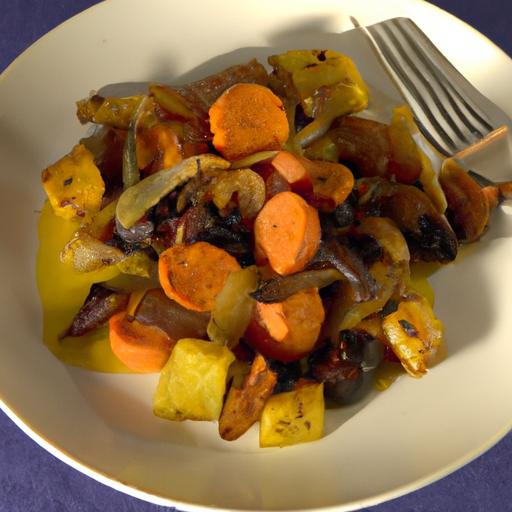

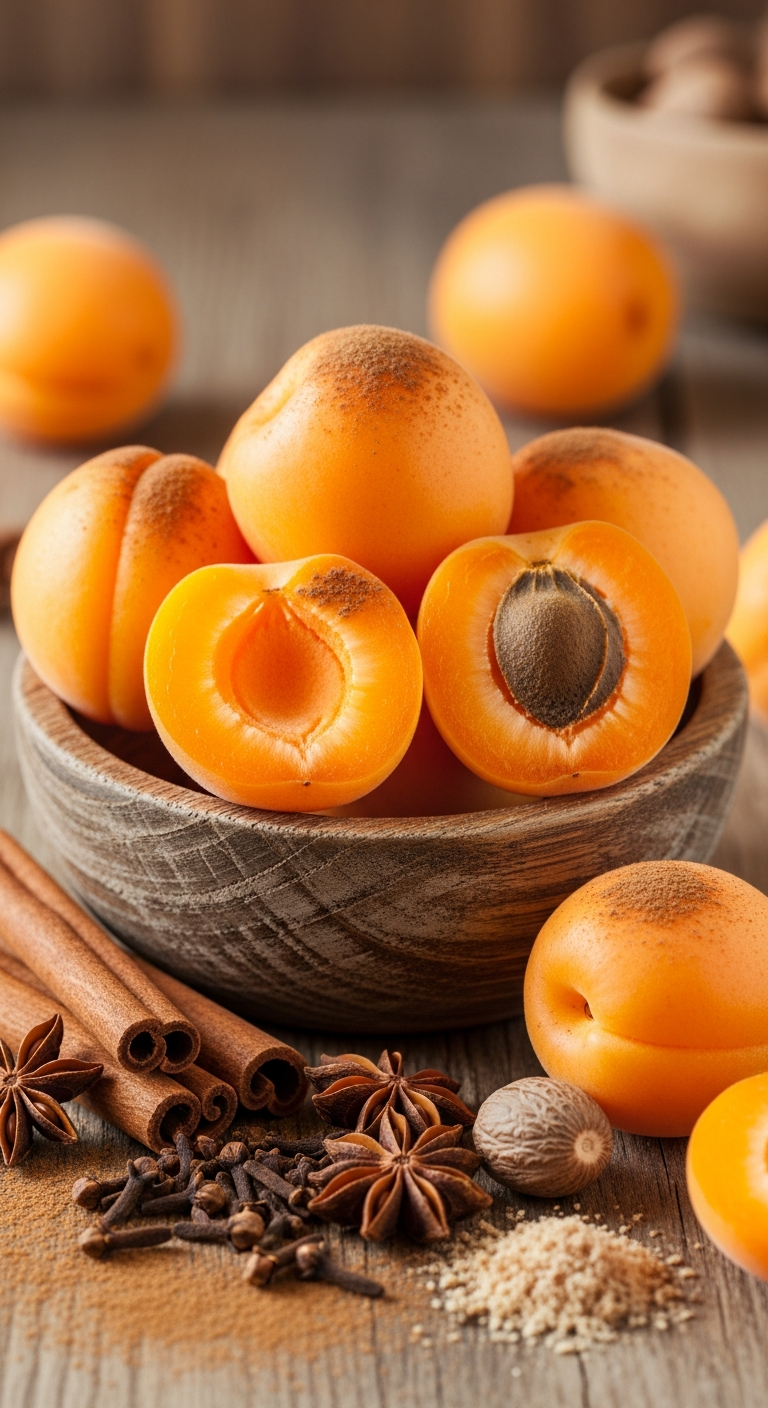
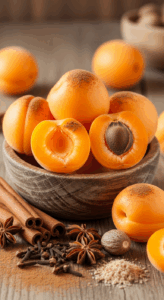
In the heart of North African cuisine lies a dish as rich in history as it is in flavor: the tagine. this iconic stew, slow-cooked to tender perfection in its namesake earthenware pot, weaves together a tapestry of tastes that tell stories of ancient trade routes and vibrant cultures. Among its many enchanting variations, the tagine that marries sweet apricots with a fragrant blend of spices stands out as a culinary masterpiece-where tart meets tender, and warmth meets sweetness in a harmonious embrace. Join us as we delve into the fragrant world of North African tagine,uncovering how the fusion of sweet apricots and exotic spices creates a feast that captivates both the palate and the imagination.
Savor North African Tagine is an invitation to embark on a sensory journey through the vibrant markets and sun-drenched kitchens of Morocco, Algeria, and Tunisia. This iconic slow-cooked stew beautifully marries the natural sweetness of dried apricots with a warm palette of customary spices like cinnamon,cumin,and saffron. The interplay between sweet and savory flavors creates a layered, aromatic dish that tells centuries-old stories of culture and culinary wisdom. Every bite is a appetizing echo of North African hospitality and heritage, making the tagine more than just a meal-it’s an experiance to treasure.
Prep and Cook Time
- Readiness: 20 minutes
- Cooking: 2 hours (slow simmer)
- Total Time: 2 hours 20 minutes
Yield
Serves 6 generous portions
Difficulty Level
Medium – Requires patience but straightforward for home cooks
Ingredients
- 2 lbs lamb shoulder, cut into 2-inch chunks
- 1 large onion, finely chopped
- 3 cloves garlic, minced
- 1 cup dried apricots, halved
- 2 tbsp olive oil
- 1 tsp ground cinnamon
- 1 tsp ground cumin
- 1/2 tsp ground ginger
- 1/4 tsp saffron threads, soaked in 2 tbsp warm water
- 1 tsp paprika
- 1/2 tsp turmeric powder
- Salt and black pepper to taste
- 1 cup low-sodium chicken or lamb broth
- 1 tbsp honey
- Fresh cilantro and toasted almonds for garnish
Instructions
- Heat olive oil in a heavy-bottomed tagine or Dutch oven over medium heat. Add the chopped onion and sauté until translucent and fragrant, about 5 minutes.
- Add the lamb chunks and brown them evenly on all sides, approximately 8-10 minutes, turning occasionally to develop rich color and flavor.
- Stir in garlic, cinnamon, cumin, ginger, saffron (including soaking water), paprika, and turmeric. Cook for 2 minutes to toast the spices, releasing their essential oils.
- Pour in broth and add salt and pepper. Reduce heat to low, cover with the tagine lid, and let simmer gently for 1.5 to 2 hours, stirring occasionally to prevent sticking.
- About 20 minutes before the end, add halved apricots and drizzle honey. Continue cooking uncovered for the apricots to plump and meld with the savory sauce, thickening it slightly.
- Check seasoning, adjust salt or honey if needed. The stew should be luscious with balanced sweetness and spice.
- Garnish with freshly chopped cilantro and toasted almonds before serving for a crunch and herbaceous finish.
Chef’s Notes
- For a vegetarian twist, substitute lamb with hearty chickpeas and root vegetables, extending the simmer time to soften them fully.
- Using a tagine cookware enhances flavor and texture as its conical lid captures steam, but a heavy Dutch oven is a reliable alternative.
- Soaking saffron threads elevates depth-avoid skipping this step to maximize their subtle floral aroma.
- this dish tastes even better the next day when flavors have fully developed. Make-ahead and refrigerate, then gently reheat.
- Control sweetness by adjusting honey; some prefer a tart balance and may swap honey for fresh lemon juice at the end.
Serving Suggestions
Serve your savory tagine over a bed of light, fluffy couscous or steamed basmati rice to soak up every drop of the sumptuous sauce. A side of tangy pickled vegetables or a crisp salad of fresh cucumbers and mint complements the richness. Present the dish family-style on a warm platter, garnished liberally with vibrant cilantro leaves and crunchy toasted almonds, inviting guests to dive into this fragrant feast of sweet apricots and spices.
| Nutrition per Serving | Amount |
|---|---|
| Calories | 450 |
| Protein | 38g |
| Carbohydrates | 22g |
| Fat | 18g |
Explore our Moroccan couscous recipe for the perfect side pairing. For more on saffron’s culinary magic, visit the Encyclopedia Britannica on saffron.

Q&A
Q&A: Savor North african Tagine: Sweet Apricots & Spices Unite
Q1: What exactly is a tagine, and why is it so special in North African cuisine?
A tagine is both a traditional north African slow-cooking pot and the flavorful stew prepared within it. Its conical lid traps steam, ensuring tender, moist dishes bursting with layered flavors. More than just cookware, the tagine symbolizes communal meals, rich history, and a harmony of spices that define North African culinary artistry.
Q2: How do sweet apricots complement the spices in a tagine?
Apricots bring a luscious sweetness that balances the warmth and earthiness of spices like cinnamon, cumin, and ginger. This interplay of sweet and savory creates a captivating dance on the palate-where tender meat or vegetables mingle with fruity brightness, transforming every bite into a harmonious festivity of contrasts.
Q3: What spices are commonly used in a North African apricot tagine?
Cinnamon, ginger, cumin, coriander, turmeric, and sometimes a touch of saffron form the fragrant spice palette. These spices lend depth, warmth, and complexity, while a hint of harissa or chili can add a subtle kick, making the dish both comforting and exciting.
Q4: Can tagines be made without the traditional clay pot?
Absolutely! While the iconic tagine pot enhances flavor and moisture retention, you can recreate similar results using a heavy Dutch oven or slow cooker-just remember to cook low and slow. The essence is patience, allowing ingredients to meld into a tender, aromatic masterpiece.Q5: Is the apricot tagine suitable for vegetarians?
yes! Apricot tagines can be a vibrant vegetarian delight by featuring hearty vegetables like carrots, sweet potatoes, chickpeas, and eggplant.The sweet apricots and warming spices ensure a rich, satisfying dish even without meat.
Q6: What sides traditionally accompany a tagine?
Tagines are frequently enough served over fluffy couscous, which soaks up the fragrant sauce beautifully. Crusty bread or warm flatbreads also make excellent companions, perfect for mopping up every last drop of the sweet-spiced goodness.
Q7: How can I bring a North African tagine experience to my home kitchen?
Start with quality spices and dried apricots, layer your ingredients thoughtfully, and embrace slow cooking. Invite friends or family to share the experience-tagines are as much about connection and storytelling as they are about flavor. Pair your meal with mint tea, and let the senses transport you to sun-drenched bazaars and vibrant souks.
Q8: What is the cultural significance behind the sweet and spice combination in tagines?
The marriage of sweet fruits and bold spices reflects North africa’s historic position as a crossroads of trade routes. Apricots,dried fruits,and spices were prized treasures that symbolized hospitality and celebration. Today, the blend honors centuries of cultural fusion, inviting us to savor not just food, but history itself.
Closing Remarks
As the fragrant steam rises from a simmering tagine, carrying hints of honeyed apricots and warm, aromatic spices, it’s clear that this North African dish is more than just a meal-it’s a vibrant celebration of culture and history in every bite. Whether you’re a seasoned cook or a curious food lover, embracing the sweet and savory harmony of apricots and spices in tagine offers a delicious journey into the heart of Morocco’s culinary heritage. So next time you seek to tantalize your taste buds and awaken your senses, let the enchanting flavors of tagine transport you to a sun-drenched bazaar where tradition and taste unite in perfect harmony.