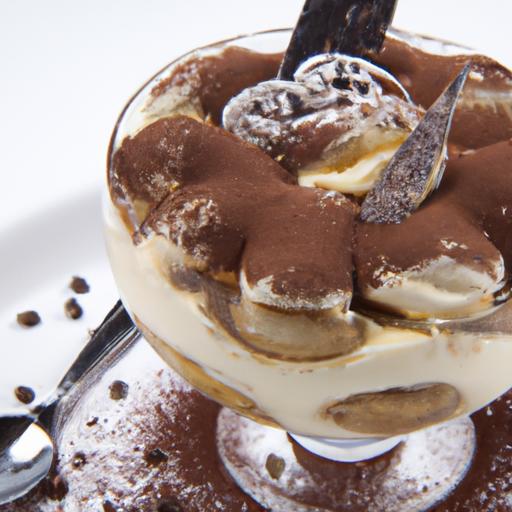

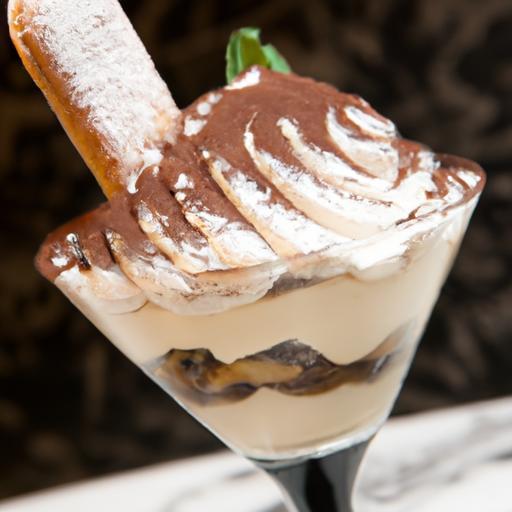
Hidden beneath a delicate dusting of cocoa lies a story as rich and layered as the dessert itself. Tiramisu, Italy’s beloved culinary masterpiece, is more than just a sweet finale to a meal-it’s a symphony of history, culture, and craftsmanship that has captured hearts worldwide. From its mysterious origins shrouded in regional tales to the passionate debates over its true recipe, the journey of tiramisu is as intriguing as its indulgent flavors. Join us as we peel back the layers and reveal the captivating story behind this iconic treat, unraveling the secrets that make tiramisu a timeless symbol of Italian dolce vita.
Tiramisu Unveiled: The Story Behind Italy’s beloved Dessert reveals a journey steeped in rich history and decadent flavors. Originating from the veneto region, this luscious no-bake dessert has evolved from a humble coffee-soaked treat into a symbol of Italian culinary artistry. Each layer of tiramisu tells a story-of passion, craftsmanship, and tradition intertwined with innovation.
Prep and Cook Time
- Preparation Time: 25 minutes
- Chilling Time: 4 hours (preferably overnight)
- total Time: 4 hours 25 minutes
Yield
Serves 6 generous portions
Difficulty Level
Medium – Perfect for home chefs eager to hone thier skills in iconic Italian desserts.
Ingredients
- 6 large egg yolks, at room temperature
- 3/4 cup granulated sugar
- 1 cup whole milk
- 1 1/4 cups mascarpone cheese, softened
- 1 1/2 cups heavy cream
- 2 cups strong brewed espresso, cooled to room temperature
- 3 tbsp coffee liqueur (optional, such as Kahlúa or Marsala wine)
- 30-36 ladyfinger biscuits (savoiardi), store-bought or homemade
- Unsweetened cocoa powder, for dusting
- Dark chocolate shavings, optional garnish
Step by Step Guide to Crafting the Perfect Tiramisu at Home
- Create the zabaglione base: In a heatproof bowl set over a simmering pan of water (double boiler), whisk the egg yolks and sugar vigorously until thick, pale, and tripled in volume, about 8-10 minutes. This delicate step ensures a silky smooth texture that forms the heart of the dessert.
- Incorporate the milk: Gradually whisk whole milk into the zabaglione, then remove from heat and let it cool completely at room temperature, stirring occasionally to prevent skin formation.
- blend in mascarpone: Gently fold the softened mascarpone cheese into the cooled zabaglione mixture until smooth and velvety. Be careful not to overmix to preserve the light texture.
- Whip the cream: In a separate chilled bowl, whip the heavy cream to stiff peaks. Fold the whipped cream carefully into the mascarpone mixture,creating a luscious,airy cream ready to envelop the ladyfingers.
- Prepare coffee soak: Combine the cooled espresso and coffee liqueur (if using) in a shallow dish. This is your soaking liquid that infuses the biscuits with quintessential tiramisu flavor.
- Dip and layer: Quickly dip each ladyfinger into the coffee mixture-just 1-2 seconds on each side to avoid sogginess-and arrange a single layer in your serving dish. Instantly spread half the cream mixture over the ladyfingers with a spatula, smoothing the surface.
- Second layer: Repeat the dipping process for the remaining ladyfingers and add a final layer of the mascarpone cream.
- Chill thoroughly: Cover the tiramisu and refrigerate for at least 4 hours, preferably overnight. The chilling allows flavors to meld and the dessert to set perfectly.
- Finish with finesse: Just before serving,dust the top generously with unsweetened cocoa powder and garnish with dark chocolate shavings for an elegant touch.
Expert tips for Pairing Tiramisu with Wine and Coffee
Tiramisu shines brightest when paired thoughtfully. A robust, freshly brewed espresso enhances its coffee undertones, creating a harmonious sensory experience. For wine lovers, consider an Italian Vin Santo, whose nutty sweetness and acidity balance the creamy richness and cocoa bitterness with perfect finesse.
Alternatively, a glass of Moscato d’Asti offers bubbles and light sweetness that elevate the creamy layers without overpowering them. When serving tiramisu, ensure beverages are served slightly chilled for Moscato, or piping hot for espresso, highlighting contrasts that delight the palate.
Chef’s Notes
- For a lighter version, substitute half the heavy cream with Greek yogurt, but maintain mascarpone for authenticity.
- If raw eggs are a concern, use pasteurized eggs or replace the zabaglione step with whipped cream and mascarpone simply folded with powdered sugar.
- Upgrade your ladyfingers by lightly brushing them with coffee liqueur before soaking to impart depth.
- Tiramisu can be assembled up to 24 hours ahead-just dust cocoa powder before serving to retain freshness.
Serving Suggestions
Present your tiramisu in a clear glass trifle bowl or individual glasses to showcase the distinct coffee-soaked ladyfinger layers interspersed with velvety cream. garnish with fresh mint leaves or edible gold flakes for festive occasions. Pair it alongside fresh berries or a small biscotti for added texture contrast.

| Nutrient | Amount (per serving) |
|---|---|
| Calories | 450 kcal |
| Protein | 7 g |
| Carbohydrates | 40 g |
| Fat | 28 g |
Discover more authentic Italian desserts like Classic Panna Cotta to continue your culinary journey.
Q&A
Q&A: Tiramisu Unveiled – The Story Behind Italy’s beloved dessert
Q1: What exactly is tiramisu?
A1: Tiramisu is a luscious Italian dessert composed of layers of coffee-soaked ladyfingers (savoiardi), rich mascarpone cream, cocoa powder dusting, and frequently enough a hint of liqueur. Its name, meaning “pick me up” or “cheer me up” in Italian, perfectly captures its invigorating and comforting qualities.
Q2: Where did tiramisu come from?
A2: Though its precise origins are debated, tiramisu is believed to have been created in the Veneto region of Italy in the 1960s or 70s. It emerged as a modern classic, blending traditional ingredients in a novel way that quickly won hearts both in Italy and worldwide.
Q3: Why is tiramisu so beloved in Italy?
A3: Beyond its divine taste, tiramisu embodies a balance of simplicity and indulgence-qualities cherished in Italian culinary philosophy. It’s a dessert that feels like a warm hug after a meal, combining familiar elements like espresso and mascarpone into an extraordinary treat.
Q4: Are there traditional rules to making tiramisu?
A4: While recipes vary,key traditional elements include dipping ladyfingers briefly in strong coffee (sometimes mixed with Marsala or rum),layering with a smooth blend of mascarpone,eggs,and sugar,and finishing with a dusting of cocoa powder. Texture and balance are crucial-to soggy or too dry, and the magic is lost.
Q5: How has tiramisu evolved over time?
A5: Creative chefs have reinvented tiramisu in countless ways-introducing fruits,chocolate variations,alcohol swaps,or even savory spins.Yet, the classic version remains unmatched for many, a testament to the timeless appeal of its original harmony.
Q6: Can tiramisu be made without raw eggs?
A6: Absolutely! Many modern tiramisu recipes substitute raw eggs with cooked custards, whipped cream, or mascarpone blends to ensure safety without sacrificing creaminess-making the dessert accessible to all.
Q7: What makes tiramisu different from other layered desserts?
A7: Unlike cakes or traditional trifles, tiramisu uniquely marries the intensity of espresso with the velvety softness of mascarpone, all tied together by the delicate crunch of ladyfingers. Its flavor profile is together bold and subtle, creating an unforgettable sensory experience.Q8: Is tiramisu popular outside of Italy?
A8: definitely! tiramisu’s international fame has soared as it appeared on countless menus worldwide. It’s often hailed as the quintessential Italian dessert-an ambassador of Italian culinary art that transcends borders.
Q9: What occasions call for tiramisu?
A9: From casual family dinners to festive celebrations, tiramisu’s versatility makes it perfect for any occasion. Its “pick me up” magic suits both an after-lunch indulgence and a glamorous holiday finale.
Q10: How can I experience authentic tiramisu?
A10: The best tiramisu is a labor of love-made with quality ingredients, patience, and respect for tradition. Seeking out authentic Italian trattorias or preparing it at home with care will let you savor its true essence, a sweet slice of Italy’s soul.
In Conclusion
As the final dusting of cocoa settles on our journey through tiramisu’s rich history, we are reminded that this beloved Italian dessert is more than just a sweet treat-it’s a tapestry woven from culture, tradition, and a dash of mystery. Each creamy layer tells a story of innovation and indulgence, inviting us to savor not onyl its flavors but also the heritage that has captivated taste buds around the world. So, the next time you dip your spoon into a luscious serving of tiramisu, remember you’re partaking in a appetizing legacy that continues to delight and inspire, one bite at a time.