
In the realm of iconic dishes that have tantalized taste buds for centuries,few can rival the allure of Peking Duck.Renowned for its impeccably crispy skin and succulent, tender meat, this culinary masterpiece is much more than just a meal-it’s a party of tradition, technique, and artistry. Mastering Crispy Peking Duck requires patience, precision, and an understanding of time-honored methods passed down through generations. In this exploration, we delve into the secrets behind achieving that perfect crackling skin, the intricate readiness process, and the cultural importance that elevates Peking Duck from mere food too a timeless culinary delight cherished around the world.whether you’re a seasoned chef or an excited home cook, join us on a flavorful journey to unlock the secrets of this legendary dish.
mastering crispy Peking duck begins with understanding every element that leads to that pristine,golden-brown crunch and rich aroma so deeply cherished worldwide. this iconic dish isn’t just about technique-it’s an art of balancing flavors, textures, and time-honored traditions to create a signature culinary masterpiece.
Prep and Cook Time
- Preparation: 30 minutes + overnight refrigeration
- Cooking: 1 hour 15 minutes
- Total Time: Approximately 14 hours (including resting and drying time)
Yield
Serves 4 to 6 people
Difficulty Level
Advanced
Ingredients
- 1 whole duck (about 5-6 lbs), preferably Pekin or Long Island duck, fresh and well-hung
- 2 tbsp maltose or honey
- 1 tbsp rice vinegar
- 1 tbsp Chinese five-spice powder
- 2 tbsp kosher salt
- 4 cups boiling water
- 3 slices fresh ginger
- 3 stalks green onion
- 2 cups hoisin sauce
- 24 thin Mandarin pancakes (store-bought or homemade)
- 1 cucumber, julienned
- 4 scallions, sliced thinly
Instructions
- Selecting the Perfect Duck: Start with a fresh, whole Pekin duck weighing around 5-6 lbs. its even fat distribution and tender meat make it ideal for crispiness and flavour. Avoid frozen ducks, as the texture can be compromised.
- Preparing the Duck: Rinse the duck carefully, pat it dry with paper towels, then prick the skin all over with a small fork or skewer without piercing the meat. This allows fat to render during roasting, crucial for crispness.
- Scalding the Skin: Bring 4 cups of water to boil and slowly ladle over the duck’s skin two to three times.This tightens the skin, making it taut and dry-perfect for achieving that coveted crunch.
- Air-Drying Overnight: Combine maltose (or honey) and rice vinegar in a small saucepan and gently warm until smooth. Brush this glaze evenly over the duck’s skin. Hang the duck in a cool, well-ventilated area for 12 hours or refrigerate uncovered, allowing the skin to dry entirely.
- Flavor Infusion: Rub the duck cavity with salt and Chinese five-spice powder. Insert ginger slices and green onions into the cavity to infuse warm,aromatic notes throughout the meat while roasting.
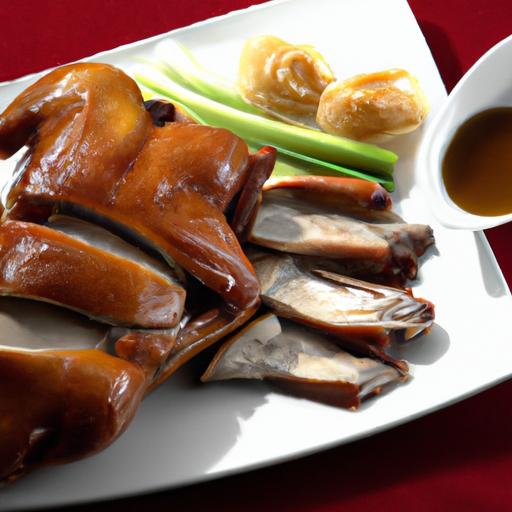
- Roasting: Preheat your oven to 375°F (190°C). Place the duck on a rack in a roasting pan, breast side up. Roast for 45 minutes, then increase the temperature to 425°F (220°C) for the final 20-30 minutes. Baste lightly with reserved glaze every 15 minutes for an intensely glossy and crispy skin. The skin should bubble and darken to an irresistible golden-brown.
- Resting and Carving: Remove the duck from the oven and let rest for 15 minutes to lock in juices. Carve the duck by slicing thin pieces of crispy skin along with tender meat for serving.
- Serving the Signature Experience: Warm Mandarin pancakes,hoisin sauce,crisp cucumber strips,and fresh scallions create the perfect vessels to showcase each bite of your crunchy duck. Spread a little hoisin inside the pancake, top with duck, cucumber, and scallions, and fold gracefully.
Tips for Success
- For ultimate crispiness, ensure the duck skin is thoroughly dried overnight. Moisture is the enemy of crunch.
- If maltose is unavailable, substitute with honey, but maltose gives a slightly more authentic sheen and texture.
- Hang the duck using a sturdy hook or wire in your fridge to allow air circulation. If hanging isn’t possible, lay it on a rack letting air move around.
- Respect the resting time after roasting; slicing too soon drains precious juices.
- Make Mandarin pancakes from scratch for a rewarding homemade touch – see our recipe here.
Serving Suggestions and Pairings
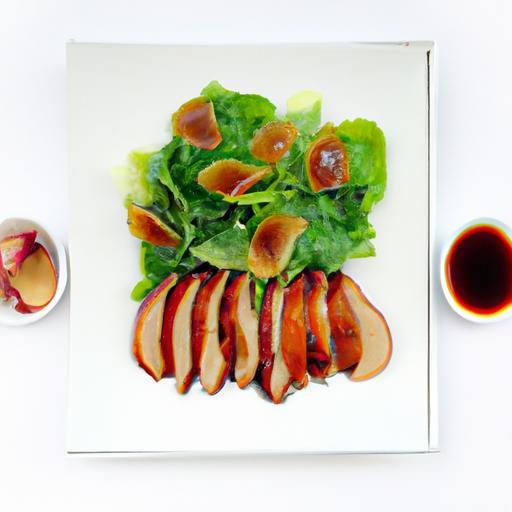
Present your Peking duck on a large platter with an inviting stack of thin Mandarin pancakes. Garnish with fresh cucumber matchsticks and luminous green scallions for texture contrast and color vibrancy.Hoisin sauce adds a luscious, sweet-savory note that ties all components together.
For an elevated experience, accompany with lightly sautéed sautéed baby bok choy or steamed Chinese broccoli to balance richness with freshness. A crisp Riesling or a lightly chilled jasmine tea creates a perfect palate cleanser.
Pro Tip: Serve each guest a small platter so they can assemble their own wraps – it’s interactive and fun, echoing the communal spirit of conventional Chinese dining.

| Nutrient | Per Serving |
|---|---|
| Calories | 480 kcal |
| Protein | 28 g |
| Carbohydrates | 22 g |
| Fat | 32 g |
for further reading on duck selection and traditional Chinese roasting methods, visit the Serious Eats Peking Duck guide.
Q&A
Q&A: Mastering Crispy Peking duck – A Timeless Culinary delight
Q1: What makes Peking Duck such a celebrated dish around the world?
A1: Peking Duck is more than just a meal-it’s an experience steeped in centuries of tradition. Renowned for its ultra-crisp skin contrasted with tender, juicy meat, this dish harmonizes texture and flavor in a way few others can. Its rich history, captivating preparation technique, and ceremonious serving style captivate food lovers and culture enthusiasts alike.
Q2: Why is achieving crispy skin the hallmark of a perfect Peking Duck?
A2: The signature crispiness of Peking Duck’s skin is what differentiates it from all other roasted ducks.The skin acts as a delicate, flavorful shell that encapsulates the succulent meat beneath. Achieving this crispness requires skillful air-drying,glazing,and roasting at just the right temperature,turning the skin into a golden,brittle masterpiece that crackles with every bite.
Q3: Can you walk us through the key steps to master crispy Peking Duck at home?
A3: Absolutely! First, select a young, plump duck for optimal flavor. After cleaning, the duck is traditionally air-pumped between skin and meat to separate the layers, aiding crispiness. Then, it’s glazed with a blend of maltose syrup and spices before air-drying-ideally overnight-to dehydrate the skin. a high-temperature roast locks in moisture while crisping the skin to perfection. Patience and attention to detail here make all the difference.
Q4: What are some common pitfalls to avoid when preparing Peking Duck?
A4: Overcooking can dry out the meat, ruining the delicate balance between moist flesh and crispy skin.Inadequate drying time will also result in soggy skin. Another mistake is skipping the glazing process; the sugar content caramelizes to give that enchanting golden hue. Lastly, serving the duck too late leads to loss of crispness-timing your plating is crucial.
Q5: How should authentic Peking Duck be served and enjoyed?
A5: Traditionally, the crispy skin is sliced thinly and served first, frequently enough with sugar or sweet bean sauce to highlight its crunch and subtle sweetness. The meat follows, wrapped carefully in thin pancakes with scallions, cucumber, and hoisin sauce. This interactive assembly invites diners to savor layers of texture and flavor, making the meal both social and sensorial.
Q6: Are ther any modern twists that can enhance the classic Peking Duck?
A6: Many contemporary chefs introduce inventive spins-like infusing the glaze with five-spice or orange zest for aromatic complexity,or incorporating unique garnishes such as pickled vegetables. Some even experiment with sous-vide cooking before roasting to ensure tenderness.Though, the essence remains the interplay of crisp skin and succulent meat wrapped in tradition.
Q7: Why is mastering Peking Duck considered a culinary milestone for chefs?
A7: Because it demands technical precision, timing, and respect for heritage, mastering Peking Duck is a rite of passage in the culinary world. It embodies artistry and discipline, requiring patience and finesse. Successfully executing this complex dish signals a chef’s deep understanding of technique and flavor harmony-a true feather in their cap.
Q8: Where can beginners find authentic peking Duck experiences for inspiration?
A8: Visiting renowned establishments in Beijing or traditional Chinese restaurants globally offers invaluable insights. watching expert chefs carve the duck tableside reveals the artistry involved. Online cooking classes, documentary features, and culinary workshops are also fantastic resources for those eager to immerse themselves before tackling the roast at home.
Embrace the journey of mastering crispy Peking Duck-it’s a tasty dive into history, technique, and timeless flavor that rewards patience with every crackling bite.
Concluding Remarks
In the timeless dance of flavors and textures, mastering crispy Peking duck is more than a culinary achievement-it’s a celebration of heritage, patience, and artistry. From the careful preparation to the achieving of that signature golden crackle,each step invites you deeper into a story that has delighted palates for centuries. Whether you’re a seasoned chef or an adventurous home cook, embracing this iconic dish opens a door to tradition and innovation alike. So, as you slice through that succulent, crisp-skinned masterpiece, remember: you’re not just savoring a meal-you’re tasting history perfected.