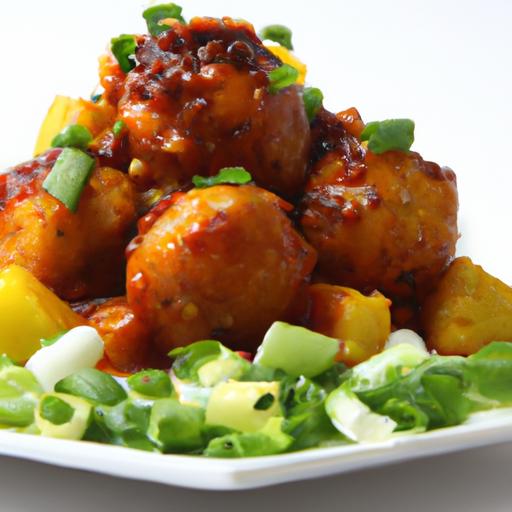

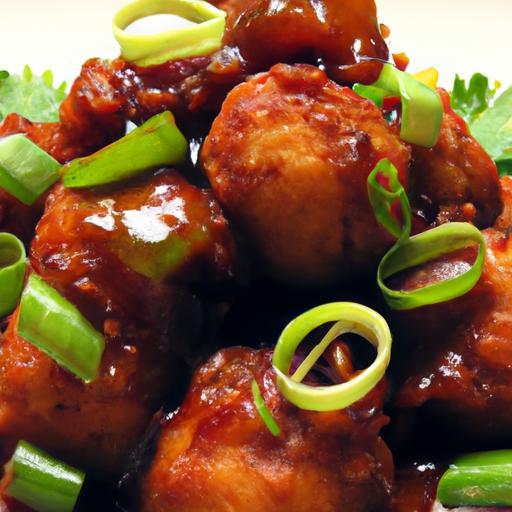
in the vibrant tapestry of Indo-Chinese cuisine, few dishes command as much love and fascination as Gobi Manchurian. This sizzling, crispy cauliflower creation is more than just a snack-it’s a flavorful symphony where East meets west, spice dances with tang, and tradition blends seamlessly with innovation. From bustling street food stalls to sophisticated urban eateries, Gobi Manchurian has carved its niche as a spicy, savory delight that captures the essence of culinary fusion. Join us as we unveil the story behind this iconic dish, exploring its origins, unique flavor profile, and the magic that makes it a perennial favorite across India and beyond.
Gobi Manchurian is an iconic Indo-Chinese treat that captures the bold fusion of two culinary traditions with its crispy, spicy, and tangy charm. Born out of the bustling streets of India’s urban centers, this dish has evolved from humble beginnings into a beloved appetizer and mainstay of Indo-Chinese cuisine. With its perfect balance of crunchy battered cauliflower florets tossed in a vibrant, soy-based sauce, Gobi Manchurian has captivated taste buds across generations and borders. Whether you crave it as a snack or a star on your dinner table, mastering this recipe brings the restaurant-style magic right into your kitchen.
Prep and Cook Time
- Preparation Time: 20 minutes
- Cooking Time: 25 minutes
- Total Time: 45 minutes
Yield
Serves 4 as an appetizer or side dish
Difficulty Level
Medium – Requires frying and fast sauce preparation but straightforward with guidance
Ingredients
- For the Batter and Cauliflower:
- 1 medium head cauliflower,cut into bite-sized florets
- 1 cup all-purpose flour,sifted
- ¼ cup cornflour (cornstarch)
- 1 tsp ginger-garlic paste
- 1 tsp red chili powder
- Salt to taste
- ¾ cup cold water (adjust as needed to make thick batter)
- Oil for deep frying
- For the Sauce:
- 2 tbsp oil (preferably vegetable or peanut oil)
- 1 tbsp finely chopped garlic
- 1 tbsp finely chopped ginger
- 2 green chilies,finely sliced
- ½ cup finely chopped onions
- ½ cup chopped green bell pepper (capsicum)
- 2 tbsp soy sauce
- 2 tbsp tomato ketchup
- 1 tbsp red chili sauce (adjust for spice level)
- 1 tbsp vinegar
- 1 tsp sugar
- Salt to taste
- 2-3 tbsp water,as needed
- 1 tsp cornflour mixed with 3 tbsp water (slurry)
- 2 tbsp chopped spring onions (for garnish)
Instructions
- Prepare the batter: In a large mixing bowl,combine all-purpose flour,cornflour,red chili powder,salt,and ginger-garlic paste. Gradually add cold water to create a thick, smooth batter that can coat the cauliflower florets evenly without dripping excessively.
- Batter the cauliflower: Dip the cauliflower florets in the batter,ensuring each piece is thoroughly coated. Shake off excess batter gently to avoid clumping.
- Fry the cauliflower: Heat oil in a deep pan over medium-high heat. Fry the battered florets in batches to avoid crowding, cooking each batch for 4-5 minutes or until golden brown and crispy. Remove with a slotted spoon and drain on kitchen paper towels.
- Prepare the sauce: In a wok or large skillet,heat 2 tbsp oil over medium heat. Add chopped garlic, ginger, and sliced green chilies. Sauté for 1-2 minutes until fragrant but not browned.
- Add vegetables: Toss in the chopped onions and capsicum. Stir-fry until slightly tender but still crisp, about 3-4 minutes.
- Create the sauce base: stir in soy sauce, tomato ketchup, red chili sauce, vinegar, and sugar. Mix well to blend all flavors evenly.
- Thicken the sauce: Add 2-3 tbsp water and bring to a gentle simmer.slowly stir in the cornflour slurry. Cook for 1-2 minutes until the sauce thickens and attains a glossy finish. Adjust salt and spice to taste.
- Toss in the fried cauliflower: Add the crispy florets into the sauce and toss gently but thoroughly to coat each piece evenly.
- Finish and garnish: Remove from heat and sprinkle with fresh spring onions for a burst of color and fresh aroma.
- Serve immediately to enjoy the perfect crispy texture and vibrant flavors at their peak.
Tips for Success and Expert Advice
- Use ice-cold water for the batter to achieve a lighter, crisper coating that fries beautifully.
- Don’t overcrowd the pan during frying; this ensures even heat distribution and crispiness.
- If you prefer baking over frying for a healthier option, toss battered florets on a greased sheet and bake at 220°C (425°F) for 20-25 minutes, turning halfway.
- Adjust the spice level by varying the quantity of chili sauce and fresh green chilies according to your palate.
- Prepare the sauce fresh and hot just before serving; soaking the florets in sauce too long may soften the crisp exterior.
- Double the recipe for parties, as it’s always a crowd-pleaser!
Serving Suggestions to Elevate Your Indo-Chinese Experience
Serve Gobi Manchurian hot as a standalone appetizer alongside chilled beverages, or as a delightful side dish paired with steamed jasmine or fried rice. Garnish with vibrant spring onions and a sprinkle of toasted sesame seeds for added texture and visual appeal. For an added twist, serve with a wedge of lime to brighten the bold flavors. Additionally, consider pairing with classic Indo-Chinese dishes like Chili Paneer or hot garlic noodles for a complete feast.
| Nutrition per Serving | Calories | Protein | Carbohydrates | Fat |
|---|---|---|---|---|
| Gobi Manchurian | 280 kcal | 6 g | 30 g | 15 g |

For further insights into the vibrant world of Indo-Chinese cuisine, visit Encyclopedia Britannica’s Indo-Chinese cuisine overview.
Q&A
Q&A: Gobi Manchurian – The Spicy Indo-Chinese Delight Unveiled
Q1: What exactly is Gobi Manchurian?
A1: Gobi Manchurian is a fiery and flavorful indo-Chinese dish where cauliflower florets (gobi) meet a bold, tangy Manchurian sauce. crispy on the outside and tender on the inside, these battered and deep-fried florets are tossed in a vibrant mix of soy sauce, garlic, ginger, and chili, creating a perfect fusion of textures and tastes.
Q2: How did Gobi Manchurian become an indo-Chinese favorite?
A2: Born from the culinary crossroads of Indian spices and Chinese cooking techniques, Gobi Manchurian rose to fame in India’s bustling street food scene in the 1970s. Chinese immigrants adapted customary Manchurian-style dishes to local ingredients, giving cauliflower-a beloved Indian vegetable-a spicy makeover that captured the nation’s palate.
Q3: What makes Gobi Manchurian different from other Manchurian dishes?
A3: Unlike chicken or vegetable Manchurian, Gobi manchurian uses cauliflower as its star ingredient, offering a unique crunch paired with a subtly sweet yet spicy sauce. Its vegetarian identity makes it accessible for many, while its bold flavors remain unmistakably manchurian in spirit.
Q4: Is Gobi Manchurian typically served dry or with gravy?
A4: Both! The dish can be enjoyed as a dry appetizer-crispy cauliflower tossed lightly in sauce, perfect for munching-or as a gravy version, where the florets swim in a luscious, thickened sauce. Each style brings out different layers of flavor, making Gobi Manchurian wonderfully versatile.
Q5: Can I make Gobi Manchurian at home? Anything special to keep in mind?
A5: Absolutely! The secret to authentic Gobi Manchurian lies in a crisp, golden batter and a perfectly balanced sauce. Ensure the cauliflower is well-drained before frying to maintain crunch, and don’t shy away from garlic, green chilies, and soy sauce-they’re the backbone of that irresistible Indo-Chinese zing.
Q6: What drinks or sides complement Gobi Manchurian best?
A6: Pair this spicy treat with a cooling yogurt-based drink or a crisp beer to balance the heat. Side dishes like fried rice or noodles create a wholesome Indo-Chinese feast, while a fresh salad adds a refreshing crunch amidst the fiery flavors.
Q7: Why has Gobi Manchurian captured hearts beyond India?
A7: Its incredible fusion of spicy, sweet, and tangy flavors appeals to global taste buds craving something bold yet comforting. Whether served at street stalls, upscale restaurants, or potlucks, Gobi Manchurian offers a snack that’s both adventurous and universally satisfying.
Q8: Any fun trivia about Gobi Manchurian?
A8: Interestingly, “Manchurian” has less to do with traditional Northeastern Chinese cuisine and more with the innovation of Indian-Chinese cooks who crafted this unique genre. So, calling it a true “Manchurian” is a flavorful nod to creativity rather than geography!
Final Thoughts
As the aromatic blend of spices and crisp cauliflower comes together on your plate, Gobi Manchurian stands as a testament to the vibrant fusion of culinary cultures. This spicy Indo-Chinese delight not only teases the palate with its bold flavors but also tells a story of innovation, tradition, and the joyous meeting of East and West.Whether enjoyed as a snack, appetizer, or main course, Gobi Manchurian invites food lovers to savor a dish where fiery zest and crunchy texture dance in perfect harmony. So, the next time you crave a taste adventure, let Gobi Manchurian unveil its spicy charm and remind you why it’s a beloved classic in kitchens around the world.