
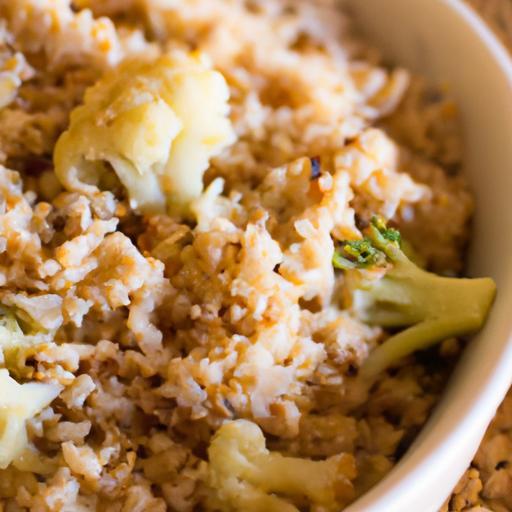
In the ever-evolving landscape of healthy eating, cauliflower rice pilaf has emerged as a delightful culinary star, seamlessly blending nutrition with vibrant flavors. This low-carb alternative to traditional rice dishes not only satisfies the palate but also caters to those seeking mindful, health-conscious choices without sacrificing taste. Join us as we explore how this humble vegetable transforms into a versatile base, infused with aromatic spices and fresh ingredients, creating a pilaf that’s as colorful to the eye as it is indeed nourishing to the body. Whether you’re a devoted low-carb enthusiast or simply curious about new ways to enjoy veggies, cauliflower rice pilaf promises a flavorful journey worth savoring.
Cauliflower rice pilaf is a versatile and nourishing dish that has captured the hearts of low-carb enthusiasts worldwide. Its delicate texture and subtle flavor serve as the perfect canvas to experiment with fresh herbs, spices, and nutrient-rich additions, making each bite an inviting blend of comfort and sophistication. Whether you’re reinventing weeknight dinners or welcoming guests with a light, vibrant side, mastering how to choose and prepare your cauliflower sets the foundation for success.
Prep and Cook Time
- Preparation: 15 minutes
- Cooking: 12 minutes
- Total Time: 27 minutes
Yield
Serves 4 as a side dish
Difficulty level
Easy
ingredients
- 1 large head of fresh cauliflower, riced (about 4 cups)
- 2 tbsp extra virgin olive oil
- 1 small onion, finely chopped
- 2 cloves garlic, minced
- 1/4 cup fresh parsley, chopped
- 2 tbsp fresh dill, chopped
- 1 tsp ground cumin
- 1/2 tsp smoked paprika
- 1/3 cup toasted slivered almonds (optional)
- 1/4 cup golden raisins or chopped dried apricots
- 1/2 cup cooked chickpeas (optional)
- Salt and black pepper, to taste
- Juice of half a lemon
Choosing the Perfect Cauliflower
Start by selecting a cauliflower head that is firm, with tightly packed florets and creamy-white color. Avoid any with brown spots or lose, leafy greens, as freshness guarantees a fluffier texture once riced. The secret to a fluffy cauliflower rice pilaf begins with dry, fresh cauliflower; moisture-heavy vegetables tend to release water during cooking, leading to a soggy result.
Elevating Texture and Flavor with Fresh Herbs and Spices
The aromatic layers of fresh parsley and dill bring brightness and a hint of earthiness that lifts the grain-free rice. Incorporating ground cumin and smoked paprika infuses warmth and subtle smokiness, complementing the nutty undertones of toasted almonds and the sweet chew of dried fruit. These elements work in harmony to create texture-from the tender, light cauliflower “grains” to the crunchy and juicy add-ins.
Incorporating nutritious Add-Ins for a Balanced Pilaf
Adding golden raisins or chopped dried apricots introduces a natural sweetness balancing the savory spices. Toasted slivered almonds contribute healthy fats and delightful crunch, while cooked chickpeas bring plant-based protein that rounds out this dish into a satisfying meal or hearty side. This thoughtful combination elevates your cauliflower rice pilaf beyond simple substitution to a truly nourishing experience.
Mastering Cooking Techniques for Ideal Moisture and Taste
To achieve a perfectly fluffy cauliflower rice pilaf, sauté finely riced cauliflower over medium-high heat untill the moisture evaporates, approximately 5-7 minutes. Avoid overcrowding the pan; cooking in batches if necessary helps the cauliflower “rice” sear lightly and develop a pleasant texture. Stir gently but frequently to ensure even heat distribution and prevent sticking. finish with a squeeze of fresh lemon juice to brighten the flavors and balance richness.
Instructions
- Prepare the cauliflower: Remove leaves and core from the cauliflower head.Pulse the florets in a food processor until they resemble rice grains. Be careful not to over-process into mush.
- Sauté aromatics: Heat olive oil in a large non-stick skillet over medium heat. Add the chopped onion and sauté until translucent, about 4 minutes. Add garlic and cook for 30 seconds until fragrant.
- Add spices: Stir in ground cumin and smoked paprika, cooking briefly to release their aromatic oils, about 1 minute.
- Cook the cauliflower rice: Add the riced cauliflower to the pan, stirring to mix with the aromatics and spices. Spread it evenly and cook undisturbed for about 3 minutes, allowing it to brown slightly. Toss and continue sautéing for another 4 minutes, or until tender but not mushy.
- Incorporate add-ins: Stir in toasted almonds, golden raisins, and chickpeas (if using). Season with salt and black pepper to taste. Cook for another 2 minutes to amalgamate flavors.
- Finish with herbs and lemon: Remove from heat and gently fold in fresh parsley, dill, and a generous squeeze of lemon juice. Adjust seasoning as needed before serving.
Tips for Success
- Use a dry kitchen towel or paper towel to squeeze out excess water from the riced cauliflower to prevent sogginess.
- For extra flavor depth, toast whole cumin seeds in the pan before grinding to release essential oils.
- Don’t skip fresh herbs-parsley and dill add brightness that elevates the entire dish.
- Make ahead and store in an airtight container for up to 3 days; reheat gently in a skillet with a splash of water or broth.
- substitute slivered almonds with toasted pine nuts or chopped pistachios for different crunchy textures.
Serving Suggestions
Present this cauliflower rice pilaf as a colorful side alongside grilled chicken, roasted vegetables, or a vibrant salad. Garnish with extra fresh herbs, a sprinkle of lemon zest, or a drizzle of good quality olive oil for a polished touch. Pair with a crisp white wine or a refreshing herbal iced tea for an inviting, healthful meal experience.
| Nutrient | Per Serving |
|---|---|
| Calories | 180 kcal |
| Protein | 6 g |
| Carbohydrates | 18 g |
| Fat | 8 g |

To explore complementary low-carb recipes, check out our Zucchini Noodle Stir Fry for another vibrant veggie-packed meal. For an in-depth look at cauliflower’s nutritional benefits, visit the Healthline cauliflower nutrition guide.
Q&A
Q&A: Cauliflower Rice Pilaf – A Flavorful Low-Carb Delight
Q1: What is cauliflower rice pilaf?
A1: Cauliflower rice pilaf is a vibrant and aromatic dish that transforms finely chopped cauliflower into a rice-like base, than sautés it with a medley of spices, herbs, and often vegetables or nuts.It’s a low-carb, nutrient-packed alternative to traditional rice pilaf, perfect for those looking to enjoy hearty textures without the carb overload.
Q2: How do you make cauliflower rice for the pilaf?
A2: Making cauliflower rice is simple: start with a fresh cauliflower head, cut it into florets, and pulse them in a food processor until they reach a grainy, rice-sized consistency. then, lightly sauté or steam the cauliflower “rice” to soften it before mixing in your pilaf ingredients.
Q3: What ingredients give cauliflower rice pilaf its distinctive flavor?
A3: The magic lies in layering flavors-think sautéed onions and garlic, fragrant spices like cumin or turmeric, fresh herbs such as parsley or cilantro, a splash of lemon juice, and frequently enough toasted nuts like almonds or pine nuts for crunch. These elements marry beautifully to create a pilaf that’s more than just a side dish.
Q4: Is cauliflower rice pilaf suitable for all dietary preferences?
A4: Absolutely! It’s naturally gluten-free, keto-friendly, paleo-compatible, and vegan when made without animal products.Plus, it’s a fantastic choice for anyone wanting to reduce carbs while boosting fiber and vitamins.
Q5: Can cauliflower rice pilaf be served as a main course or only as a side?
A5: While it shines as a side dish complementing proteins like grilled chicken, fish, or tofu, cauliflower rice pilaf can absolutely be a star on its own. Add roasted vegetables, chickpeas, or diced avocado to bump up the nutrition and make it a satisfying, colorful main.
Q6: How does cauliflower rice pilaf compare nutritionally to traditional rice pilaf?
A6: Cauliflower rice pilaf packs fewer calories and significantly fewer carbohydrates than traditional rice pilaf, while delivering more fiber and vitamin C. It’s lighter on the digestive system and helps maintain steadier blood sugar levels-ideal for a health-conscious lifestyle.
Q7: Any tips for making the best cauliflower rice pilaf?
A7: Keep the cauliflower rice dry before cooking to avoid sogginess; toast your nuts separately to enhance flavor; and don’t be shy with fresh herbs and citrus-they brighten the overall dish wonderfully. cook your pilaf just until tender but not mushy to preserve that delightful, fluffy texture.
Q8: Can cauliflower rice pilaf be prepared in advance?
A8: Yes! Make it ahead and store in the fridge for up to 3 days. Reheat it gently in a skillet to bring back its fluffy texture, adding a dash of water or broth if it feels too dry. It’s a great make-ahead option for busy weeknights or meal prep.
With its vibrant flavors and healthful benefits, cauliflower rice pilaf proves that low-carb doesn’t mean low taste. Ready to trade traditional rice for this delightful veggie-forward spin? Your taste buds (and your body) will thank you!
In Conclusion
Whether you’re seeking a vibrant side dish to elevate your dinner or a versatile base for creative meals, cauliflower rice pilaf offers a delightful low-carb alternative that doesn’t compromise on flavor. This humble vegetable change showcases how simple ingredients, when thoughtfully combined, can create a dish that’s both nourishing and satisfying. Embrace the colorful medley of textures and spices in your kitchen, and let cauliflower rice pilaf become your go-to for healthy, flavorful eating-proof that wholesome choices can indeed be a feast for the senses.