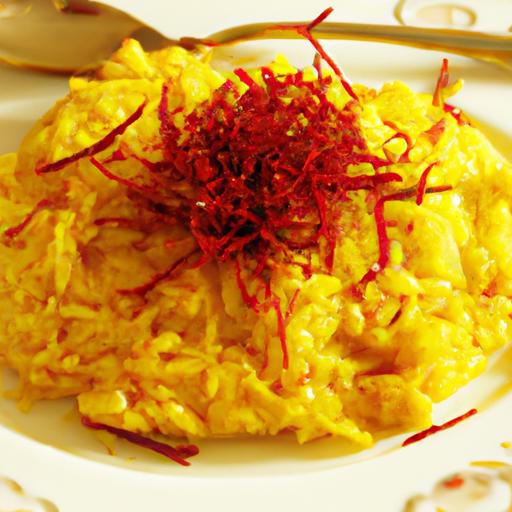

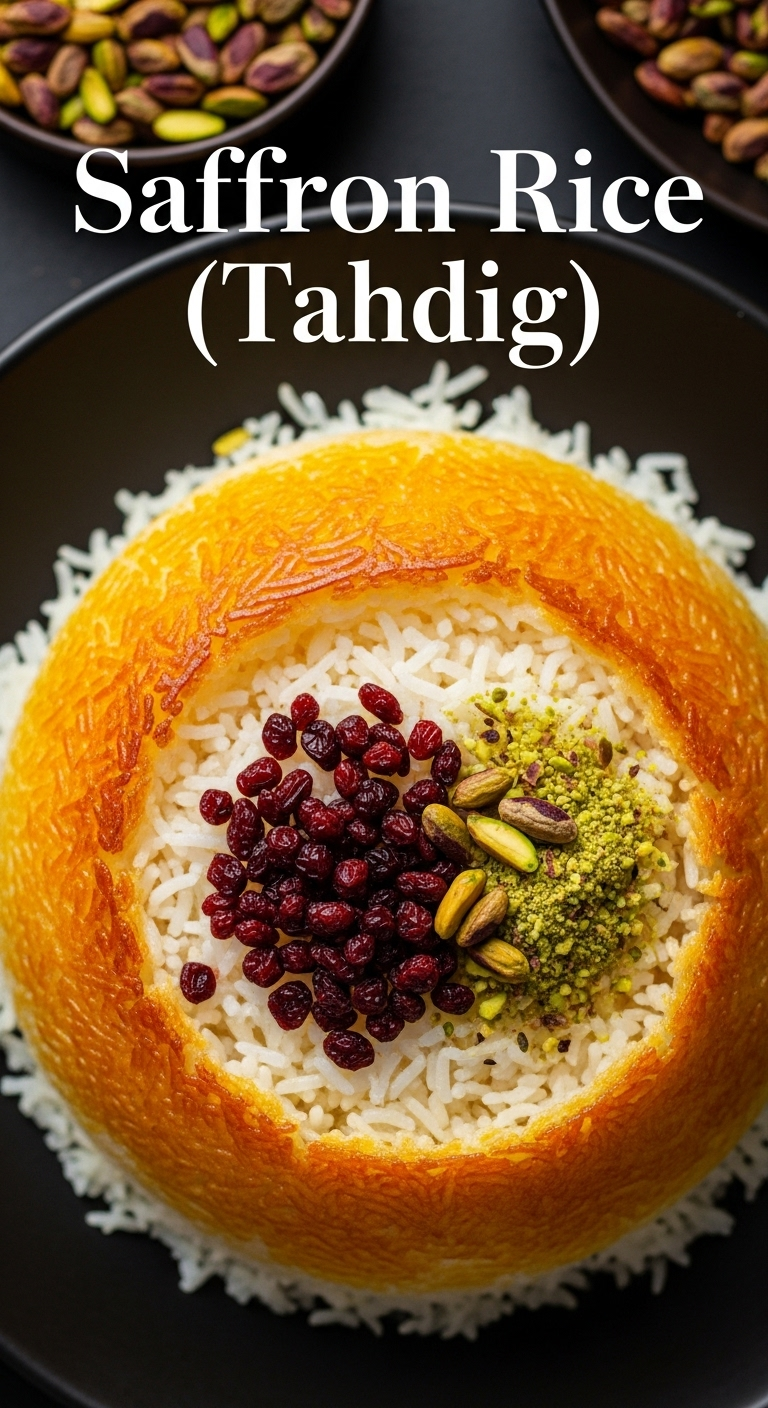
In the vibrant tapestry of Persian cuisine, few dishes captivate the senses quite like saffron rice, crowned with the coveted golden crust known as Tahdig. This dazzling delight is more than a side dish; itS a culinary masterpiece that marries fragrant, jewel-toned grains with the alchemy of crisp, caramelized perfection. Revered in Persian households and celebrated across the globe, Tahdig is both an art and a ritual-where patience meets passion, and tradition is savored one crunchy bite at a time. Join us as we unravel the secrets behind Golden Delight: the art of persian saffron rice, and discover how this humble staple transforms into a crispy, aromatic treasure that has enchanted palates for centuries.
Golden Delight: The Art of Persian Saffron rice (Tahdig)
Golden Delight: The Art of Persian Saffron Rice (Tahdig) has long been celebrated in Iranian cuisine as a symbol of hospitality,warmth,and mastery in rice cooking. This exquisite dish is revered not only for its vibrant golden crust but also for the fragrant saffron aroma that fills kitchens and hearts alike. Growing up in a Persian household, the intoxicating scent of saffron rice slow-cooking on the stove was synonymous with family gatherings and joyous celebrations-a tactile memory that always inspired me to perfect this culinary treasure.
Prep and Cook Time
- Readiness: 20 minutes
- Soaking rice: 1 hour
- Cooking time: 45 minutes
- Total time: Approximately 2 hours
Yield
Serves 4-6 peopel
Difficulty Level
Intermediate (requires attention to detail but accessible with practice)
Ingredients
- 2 cups Basmati rice, rinsed and soaked for 1 hour
- 4 tbsp unsalted butter or vegetable oil
- 1/2 tsp salt
- 1/4 tsp ground saffron threads, dissolved in 3 tbsp hot water
- 4 cups water
- Optional: 1/2 cup Greek yogurt or sour cream (for extra thickness of crust)
Instructions
- Prepare the rice: Drain the soaked rice and set aside. Bring 4 cups of water to a boil in a large pot. Add salt and the rice, cooking until the grains are slightly tender but still firm in the center (about 6-7 minutes).
- Drain and rinse: Drain the rice in a fine mesh sieve and rinse briefly under cold water to stop cooking. This prevents overcooked, sticky grains-key to fluffy rice.
- Prepare the saffron: Soak the ground saffron in hot water to release its rich golden hue and intoxicating aroma.This saffron water will later infuse the crust with vibrant color.
- Create the tahdig base: Heat butter or oil in a heavy-bottomed nonstick or cast-iron pot over medium heat. For a more luxurious crust, gently stir in the yogurt or sour cream until smooth.
- Layer the saffron: Carefully drizzle the saffron water over the butter/oil mixture, ensuring it spreads evenly to create a uniform golden crust.
- Assemble the rice: Using a slotted spoon, mound the parboiled rice gently over the saffron butter base.Poke several holes using the handle of a wooden spoon to let steam escape and encourage crispness.
- Steam to perfection: Cover the pot tightly with a clean kitchen towel followed by the lid (this traps moisture preventing soggy rice).Reduce the heat to low and let cook for 40-45 minutes. The key is patience – this slow steaming allows the rice to fluff up and the crust to form.
- Reveal the golden crust: Once cooked, turn off heat and let the rice rest for 5 minutes.Tilt the pot onto a large serving platter and gently invert to reveal the vibrant saffron tahdig-a golden, crispy masterpiece.
Tips for Success
- Rice variety: Choose premium Basmati rice for long, slender grains that remain fluffy and separate after cooking.
- Saffron quality: Opt for high-grade Persian saffron threads for the most intense aroma and color; avoid powdered substitutes.
- Butter vs. oil: Butter adds richness and a sublime flavor but can burn if heat is too high; oil offers a more forgiving option.
- Yogurt method: Mixing yogurt with the fat before spreading adds an irresistibly thick, crunchy crust. It’s a classic but optional step.
- Temperature control: Moderate heat is crucial.Too high and the crust burns; too low and it won’t crisp properly.
- Make-ahead tip: Soak rice up to 24 hours in advance for optimal texture,and prepare saffron water the day before to deepen its color.
Serving suggestions
Plate the Persian saffron rice alongside vibrant grilled kebabs or slow-cooked stews like Ghormeh Sabzi or Fesenjan. Garnish with toasted slivered almonds,crushed pistachios,and finely chopped fresh herbs such as parsley or mint for contrast. A wedge of fresh lemon or a dollop of yogurt will brighten every bite and perfectly balance the richness of the tahdig crust.

| Nutrient | Per Serving |
|---|---|
| Calories | 290 kcal |
| Protein | 6 g |
| Carbohydrates | 55 g |
| Fat | 7 g |
Familiarizing yourself with the essential techniques featured here will position you to create this Iranian classic with confidence. For a deeper dive into Persian spice blends and authentic cooking methods, check out our Persian Spice Guide. To learn more about saffron’s origin and its culinary value, visit the International Saffron Organization.
Q&A
Q&A: Golden Delight – The Art of Persian saffron Rice (Tahdig)
Q1: What is Persian saffron rice, and why is it so special?
A: Persian saffron rice is more than just a side dish; it’s a culinary treasure steeped in history and flavor. The magic lies in its fragrant basmati rice infused with the golden hue and subtle floral notes of saffron-often called “red gold.” This isn’t just rice; it’s an aromatic journey that embodies Persian culture and hospitality.
Q2: What exactly is Tahdig, and why is it considered the heart of the dish?
A: Tahdig literally means “bottom of the pot” in Persian. It’s the irresistible, crispy golden crust that forms at the base of the rice as it cooks. Think of it as the pièce de résistance-a crunchy, buttery, saffron-kissed treasure that contrasts beautifully with the fluffy grains above. For many persians, the joy of saffron rice is incomplete without savoring Tahdig first.
Q3: How is that perfect Tahdig achieved?
A: Achieving perfect Tahdig is a delicate dance of patience, heat control, and technique. After parboiling the rice, it’s layered back into the pot with oil or butter, sometimes mixed with thin slices of potato or flatbread for extra texture. Cooking on low heat allows the bottom to crisp to a golden perfection without burning. The aroma of saffron infused in the crust signals a triumphant Tahdig, promising that satisfying crunch and depth of flavor.
Q4: What role does saffron play in Persian rice dishes?
A: Saffron isn’t just a colorant; it’s the essence of Persian rice’s allure. When steeped in warm water or brewed with a bit of sugar, saffron releases its distinct aroma and vibrant amber-gold color. Sprinkled delicately over the rice or blended directly into the Tahdig, it elevates the dish from simple starch to an evocative sensory experience.
Q5: can Tahdig be made with ingredients other than rice?
A: Absolutely! While the classic Tahdig is made from rice,many Persian families also create Tahdig with thinly sliced potatoes,bread,or even thin lavash flatbread placed at the bottom of the pot. Each variation provides its own unique texture and flavor, adding a personalized touch to this beloved culinary tradition.
Q6: How is Persian saffron rice typically served?
A: Traditionally, the pot is inverted onto a large platter, revealing a shining, golden Tahdig crown atop the fluffy saffron rice. It’s often paired with stews like Ghormeh Sabzi or Zereshk Polo, grilled meats, or roasted vegetables. Sharing Tahdig is a communal delight-breaking pieces off the crust, combining crispy with soft, creating a symphony of textures on the plate.
Q7: Why has Tahdig inspired such passion among cooks and food lovers?
A: Tahdig is a labor of love and an emblem of Persian hospitality. Its crisp, jewel-like crust speaks of patience and care, turning a simple ingredient into a festivity. The challenge of perfecting Tahdig and the joy of gifting its golden shards to guests form a ritual that connects generations,bridging kitchens and hearts alike.
Q8: Any tips for beginners eager to try making Persian saffron rice and Tahdig at home?
A: Start with good quality basmati rice and real Persian saffron-authenticity makes all the difference. Rinse the rice multiple times to remove excess starch, parboil until just tender, and don’t rush the steaming process. Use a non-stick or heavy-bottomed pot to prevent burning, and keep the heat low once the crust starts to form. Most importantly, embrace patience-Tahdig perfection is part science, part art, and entirely worth the effort!
The Conclusion
As the final grains of golden saffron rice settle into the delicate, crisp crust of tahdig, we are reminded that this Persian culinary treasure is far more than just a side dish-it is a celebration of patience, tradition, and artistry. The art of crafting the perfect tahdig captures the very essence of Persian hospitality, blending texture and fragrance into a symphony that awakens both palate and soul. Whether you savor it as a luxurious treat or a comforting staple, golden delight transcends the plate, inviting you to experience a timeless cultural story with every crunchy, aromatic bite. In embracing tahdig, we not only honor a centuries-old craft but also invite a little shimmer of Persia’s warmth and elegance into our own kitchens.