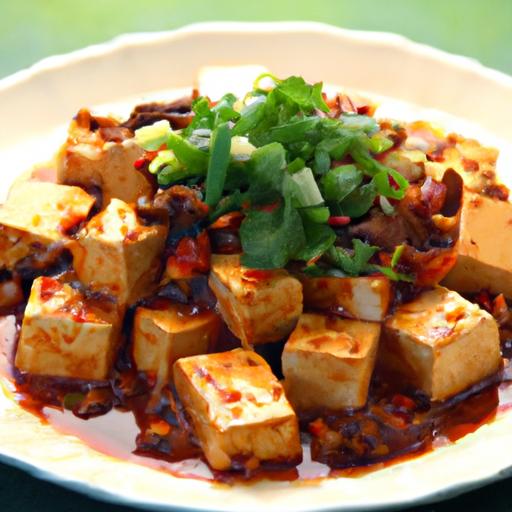

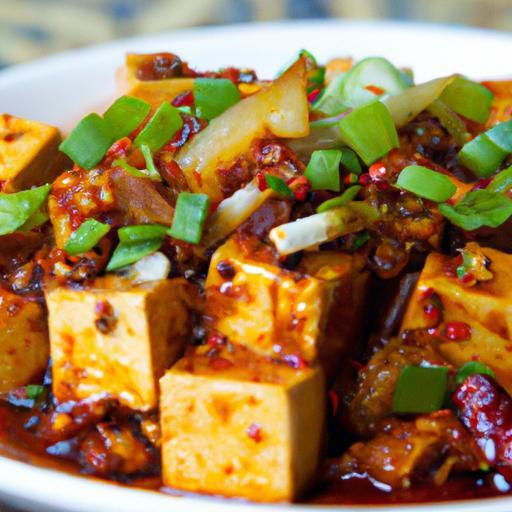
In the vast tapestry of Chinese cuisine, few dishes ignite the senses quite like Sichuan Mapo Tofu. With its vibrant hues and explosive flavors, this iconic dish is more than just a meal-it’s a fiery party of tradition, culture, and culinary artistry. Born from the bustling streets of Chengdu,Mapo Tofu combines silky tofu,fiery chilies,and the numbing embrace of Sichuan peppercorns into a harmonious dance of heat and texture. Join us as we delve into the authentic art of crafting this beloved specialty, uncovering its storied history, key ingredients, and the secrets that transform humble components into a mouthwatering symphony of “fiery delights.”
Fiery Delights like Sichuan mapo Tofu capture the heart of authentic Chinese cuisine with their bold flavors and vibrant textures. Rooted in the bustling culinary traditions of Chengdu, this iconic dish combines the numbing heat of Sichuan peppercorns with the deep, savory warmth of chili bean paste, creating a sensory experience that has fascinated food lovers worldwide. My first encounter with Mapo Tofu was transformative-each spoonful revealed layers of spice,silkiness,and umami that lingered long after the meal. Today, I invite you to master this celebrated dish by exploring its rich origins, essential ingredients, and secrets to balancing heat and flavor with confidence in your kitchen.
Prep and cook Time
Preparation: 15 minutes
Cooking: 20 minutes
Total Time: 35 minutes
Yield
Serves 4 generous portions
Difficulty Level
Medium – Suitable for cooks comfortable with handling bold spices and layering complex flavors
Essential Ingredients for Crafting Authentic Mapo Tofu at Home
- 400g silken tofu, cut into 1-inch cubes
- 150g ground pork (or substitute with ground beef or plant-based crumbles)
- 2 tablespoons fermented broad bean chili paste (Doubanjiang)
- 1 tablespoon Sichuan peppercorns, toasted and coarsely ground
- 3 cloves garlic, minced
- 1 teaspoon ginger, finely grated
- 2 scallions, sliced into thin rings (separate white and green parts)
- 1 cup chicken broth (or vegetable broth for vegetarian)
- 1 tablespoon soy sauce
- 1 teaspoon Shaoxing wine (optional, enhances depth)
- 1 teaspoon sugar
- 2 teaspoons cornstarch mixed with 3 tablespoons water (slurry)
- 2 tablespoons vegetable oil
- 1 teaspoon toasted sesame oil
Mastering the Balance of Heat and Flavor in Conventional Recipes
Achieving the perfect harmony of heat, numbing sensation, and savoriness is the hallmark of authentic Mapo Tofu. The use of fermented broad bean chili paste injects a robust umami foundation, while toasted Sichuan peppercorns awaken the palate with their signature tingling effect.Incorporating fresh aromatics such as garlic and ginger, paired with the gentle sweetness of sugar and the umami boost from soy sauce, helps counterbalance the chili’s fire. This interplay creates a melodic flavor profile that’s both powerful and nuanced.
Instructions
- Prepare the tofu: Gently drain and cut silken tofu into firm cubes. To reduce fragility, briefly blanch in simmering salted water for 1-2 minutes, then drain carefully.
- toast Sichuan peppercorns: In a dry skillet over medium heat, toast peppercorns until fragrant (about 2 minutes).Grind coarsely and set aside to preserve aroma.
- Sauté aromatics and pork: Heat vegetable oil in a wok or deep skillet over medium-high heat. Add garlic, ginger, and the white parts of scallions; cook for 1 minute until fragrant. Incorporate ground pork and cook until browned, breaking apart lumps (about 5 minutes).
- Build the spicy base: Stir in the fermented broad bean chili paste and cook, stirring frequently, for 2-3 minutes to release its rich, fiery character.
- add liquids and tofu: Pour in chicken broth, soy sauce, Shaoxing wine, and sugar. Gently add the tofu cubes, simmering gently for 5 minutes to absorb the sauce without breaking apart.
- Thicken the sauce: Stir the cornstarch slurry and slowly drizzle into the simmering mixture. cook for 1-2 minutes until the sauce thickens and beautifully coats the tofu.
- Finish flavors: Remove from heat. Drizzle toasted sesame oil and sprinkle the ground Sichuan peppercorns evenly. Garnish with green scallion rings for freshness and crunch.
Expert Tips for Serving and Pairing with Complementary Dishes
Serve Mapo Tofu piping hot with steamed jasmine or sticky rice to mellow the fiery spices. Complement the dish with cooling sides such as cucumber salad or lightly pickled vegetables to soothe the palate. For a complete Sichuan feast, consider pairing with classic dishes like Kung Pao Chicken or Dan Dan Noodles to echo the region’s spiced, layered taste sensations.
Chef’s Notes – Tips for Success
- Handling tofu: Silken tofu’s delicate texture is central to authenticity but can crumble easily. Blanching and gentle stirring help maintain shape and silkiness.
- Substitutions: For a vegetarian version, replace ground pork with finely chopped shiitake mushrooms and use vegetable broth.
- Heat control: Adjust the amount of Doubanjiang and Sichuan peppercorns based on your spice tolerance. The dish should invigorate the senses, not overwhelm them.
- Make-ahead tips: The sauce can be prepared a day ahead; add fresh tofu when ready to serve for best texture.
| Nutrient | Per Serving |
|---|---|
| Calories | 280 kcal |
| Protein | 18 g |
| Carbohydrates | 12 g |
| Fat | 18 g |

For more on the fascinating culinary heritage of sichuan dishes, explore our Guide to Sichuan Cuisine. to deepen your recognition for Sichuan peppercorns and their role in Chinese cooking, visit the Serious Eats feature on Sichuan Peppercorns.
Q&A
Q&A: Fiery Delights – The Authentic Art of Sichuan Mapo Tofu
Q1: What exactly is Mapo Tofu?
A: Mapo Tofu is a classic Sichuan dish that masterfully balances fiery heat, numbing spice, and silky textures. At its core,it’s a tofu stew cooked in a vibrant,chili- and bean-based sauce,traditionally studded with minced pork or beef. The name “Mapo” translates roughly to “pockmarked old woman,” paying homage to the dish’s supposed creator – a spirited elderly lady who first concocted this iconic recipe in Chengdu.
Q2: What makes Sichuan Mapo Tofu distinct from other tofu dishes?
A: It’s the bold interplay of Sichuan peppercorns and chili bean paste (doubanjiang) that elevates Mapo Tofu beyond mere comfort food into a sensory experience. the peppercorns provide a unique “ma” – a tingling numbness – that dances intriguingly with the “la” or fiery spice of chili oils. This dual sensation, combined with the smooth softness of tofu and a savory, umami-rich background, makes every bite a burst of complex flavors and textures.
Q3: Can you describe the authentic ingredients that define traditional Mapo Tofu?
A: Absolutely! Authentic Mapo Tofu relies on fresh silken tofu, ground pork or beef, spicy fermented chili bean paste (Pixian doubanjiang), chili oil, garlic, ginger, scallions, and the signature Sichuan peppercorns. A splash of fermented black beans adds depth, while a touch of stock or water helps meld the flavors into a luscious sauce. For an optional twist, some chefs add a bit of soy sauce or Chinese cooking wine, but simplicity and quality ingredients reign supreme.
Q4: How is authentic Sichuan Mapo Tofu traditionally prepared?
A: The magic begins by stir-frying ground meat with finely chopped garlic and ginger to release their aromas. Then,a generous dollop of Pixian doubanjiang is fried briefly to unleash its smoky,spicy essence. Soft tofu cubes are gently folded in, simmered to soak up the sauce’s fiery flavors without falling apart. a sprinkle of toasted Sichuan peppercorn powder and fresh scallions crown the dish,ensuring each mouthful tingles and spices the palate in perfect harmony.
Q5: Is Mapo Tofu always extremely spicy? Can it be adapted?
A: While Mapo Tofu is renowned for its bold spiciness, the heat level can absolutely be tailored. Home cooks often adjust the amount of chili bean paste and peppercorns to suit their tolerance.Some versions mellow the spice by reducing chili oil or combining with milder ingredients, but purists insist that a hint of that signature kumquats-spice combo is essential to retain its authentic character.
Q6: What cultural significance does Mapo Tofu hold in Sichuan cuisine?
A: Mapo Tofu isn’t just a dish; it’s a culinary emblem of Sichuan’s fearless flavor philosophy – embracing heat, complexity, and balance. It embodies both homey comfort and gastronomic sophistication, often served in bustling street stalls and refined restaurants alike. The dish celebrates local heritage, the art of fermentation, and the unique use of Sichuan peppercorns that define the region’s spicy legacy.
Q7: How can someone new to Sichuan cuisine best enjoy Mapo Tofu?
A: Approach it with an open tongue and a glass of cool tea! As the dish thrives in contrasts – spicy and numbing, soft and savory – savor it slowly to appreciate its layered nuances. Pairing it with plain steamed rice helps temper the heat and lets the vibrant flavors shine. For true newcomers, starting with a mild rendition and gradually exploring more intense versions allows a delightful introduction to Sichuan’s fiery delights.
With its blazing colors and bold sensations, Sichuan Mapo Tofu is culinary art that warms the soul and awakens the senses. Dive in, and discover why this seemingly simple dish has ignited taste buds for generations.
In Conclusion
As the final wisps of fiery aroma fade from the air, the essence of Sichuan Mapo Tofu remains-a vibrant testament to culinary tradition and bold flavors that ignite the senses. This dish is more than just a spicy tofu stew; it’s a celebration of balance, history, and the artful dance between numbing Sichuan peppercorns and rich, chili-laden heat. Whether enjoyed in a bustling Chengdu eatery or recreated in your own kitchen, Mapo Tofu invites you to savor the authentic spirit of Sichuan’s fiery delights-a timeless journey where every bite tells a story of passion, culture, and exquisite craftsmanship.