
 In the vibrant tapestry of Indian cuisine, few dishes capture the essence of wholesome simplicity quite like Pesarattu, the verdant green gram crepe that has delighted taste buds for centuries. Frequently enough hailed as the savory cousin to the classic dosa, Pesarattu is more than just a flavorful breakfast treat-it’s a nutritional powerhouse wrapped in a thin, crisp exterior.Unveiling the secrets behind this culinary gem reveals not only its rich cultural heritage but also the remarkable health benefits tucked within its ingredients. join us as we delve into the world of pesarattu, exploring its origins, preparation, and why this humble crepe continues to win hearts and fuel bodies across the globe.
Pesarattu, a vibrant and wholesome green gram crepe, serves as a stunning testament to South Indian culinary brilliance, weaving together centuries of tradition with unparalleled nutrition. This beloved dish, originating from the Telugu-speaking regions, is not just a breakfast staple but an emblem of simplicity and health, effortlessly connecting families across generations at the breakfast table.
Prep and Cook Time
- Preparation: 8 hours (soaking)
- Active prep: 15 minutes
- Cooking: 10 minutes
- Total time: 8 hours 25 minutes
Yield
- 4 servings (8 to 10 medium-sized pesarattus)
Difficulty Level
- Easy to Medium – perfect for breakfast novices and seasoned cooks alike
Ingredients
- 1 cup whole green gram (moong dal), soaked overnight
- ¼ cup white rice (optional, for extra crispiness)
- 2-3 green chilies, roughly chopped
- 1-inch piece of ginger, peeled and chopped
- Salt, to taste
- Water, as needed for batter consistency
- 2 tablespoons oil or ghee, for cooking
- ½ cup finely chopped onions
- 2 tablespoons finely chopped fresh coriander leaves
- Optional filling: grated ginger chutney, upma, or spiced potato mash
Instructions
- Drain the soaked green gram and rice. In a blender, combine these with green chilies, ginger, and salt. Add water gradually to form a smooth, pourable batter-similar to pancake batter but slightly thicker.
- Transfer the batter to a bowl and whisk vigorously for 2 minutes to incorporate air, ensuring a light, crisp crepe.
- Add chopped onions and coriander leaves to the batter, reserving a few for garnish.
- Heat a non-stick tava or skillet over medium heat. Lightly grease the surface with oil or ghee.
- Pour a ladleful of batter onto the skillet and gently spread it in a circular motion to form a thin crepe, about 6-7 inches in diameter.
- Drizzle 1 teaspoon of oil or ghee around the edges and on top for a golden, crispy finish.
- Sprinkle a few reserved onions and coriander leaves on top while cooking.
- Allow the crepe to cook for 3-4 minutes until the edges lift and the underside turns crisp and golden brown.
- Flip the pesarattu carefully and cook the other side for 1 minute if desired; though, frequently enough it’s served with one side cooked and crispy.
- Remove from skillet and serve immediately with customary accompaniments such as ginger chutney or coconut chutney.
Chef’s Notes: Tips for Success
- Batter consistency: Maintain a smooth, pourable batter, not too runny; it helps create that signature crispness.
- Soaking time: Soak green gram for at least 8 hours or overnight; this softens the lentils, making blending easier.
- Variations: Add finely chopped chilies or cumin seeds to the batter for extra flavor layers.
- Make-ahead: The batter can be refrigerated for up to 24 hours; give it a good stir before cooking.
- Filling ideas: Stuff with upma or fresh paneer for a protein-packed meal.
- Cooking surface: A well-heated non-stick pan ensures even cooking and easy flipping.
Serving Suggestions
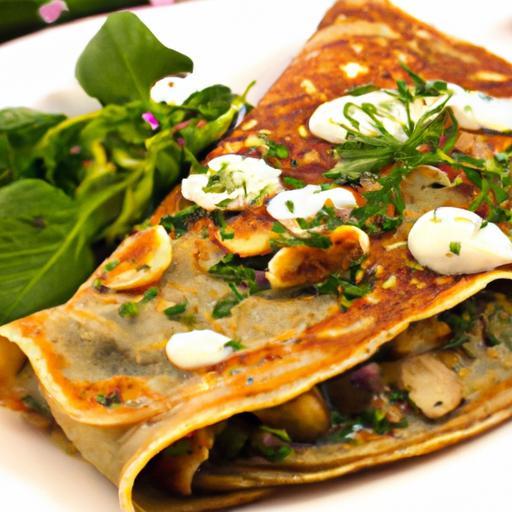
Plate your pesarattu stacked elegantly, garnished with freshly chopped coriander and thin jalapeño rings for color and a hint of heat. Serve alongside tangy ginger chutney or creamy coconut chutney; both balance the earthy notes beautifully. For a vibrant twist, pair with a tangy tomato-onion salad or a dollop of spiced yogurt. Accompanying a cup of hot South Indian filter coffee elevates this humble crepe into a meal to savor.

| Nutrient | Per Serving |
|---|---|
| Calories | 150 |
| Protein | 9 g |
| Carbohydrates | 22 g |
| Fat | 3 g |
| Fiber | 5 g |
For a deeper dive into traditional Indian breakfast recipes alongside Pesarattu,explore our South Indian recipe collection. to understand the broader nutritional benefits of green gram, visit the NIH nutritional study on green gram.
Q&A
Q&A: Pesarattu Unveiled – The Nutritious Green Gram Crepe delight
Q1: What exactly is Pesarattu?
A: Pesarattu is a traditional South Indian crepe made primarily from green gram (moong dal) batter. It’s a savory, thin pancake that boasts a vibrant green hue and a unique tangy flavor, frequently enough enjoyed as a wholesome breakfast or snack.
Q2: Why is Pesarattu considered nutritious?
A: Packed with the goodness of green gram, Pesarattu is rich in protein, fiber, and essential vitamins such as B-complex. The green gram lends it a low glycemic index, making it ideal for sustained energy release and aiding digestion.Q3: How does Pesarattu stand out from other Indian dosas?
A: Unlike traditional dosas that use fermented rice and urad dal batter, Pesarattu skips rice altogether and uses green gram as the star ingredient. This gives it a distinctive earthy flavor, a crisp texture, and a slightly denser but more protein-rich profile.
Q4: What are some common accompaniments served with Pesarattu?
A: Pesarattu is often paired with ginger chutney, coconut chutney, or a spicy upma (semolina) filling, making each bite a burst of contrasting flavors – spicy, tangy, and creamy.
Q5: Can Pesarattu be customized?
A: Absolutely! Variations include adding finely chopped onions, green chilies, or ginger into the batter.Some even fold in sprouts or grated vegetables for an extra nutritional punch.
Q6: Is Pesarattu suitable for special diets?
A: yes! Pesarattu is naturally gluten-free,vegan,and can be prepared without oil for a low-fat meal. Its high protein content makes it a favorite among vegetarians and health enthusiasts alike.
Q7: How can beginners master making pesarattu at home?
A: Start by soaking green gram for a few hours, then blend it into a smooth batter with ginger and green chilies. Spread thin on a hot griddle, drizzle a little oil, and cook until crisp and golden. Patience and practice will yield delightful results!
Q8: Why has Pesarattu remained a beloved dish through generations?
A: Its perfect balance of taste, nutrition, and cultural heritage makes Pesarattu more than just food – it’s a celebration of South Indian culinary artistry and an enduring reminder of wholesome, homegrown ingredients.
in summary
As the final folds of the pesarattu come together-crisp, golden, and bursting with wholesome goodness-we’re reminded that this humble green gram crepe is far more than just a dish. it’s a vibrant celebration of nutrition, tradition, and flavor all rolled into one. Whether you’re seeking a nourishing breakfast, a protein-packed snack, or a culinary adventure that bridges health and heritage, pesarattu stands ready to delight your palate and fuel your day. So next time you crave something both comforting and clever, let this verdant crepe unveil its magic on your plate, inviting you to savor every bite of its timeless goodness.