

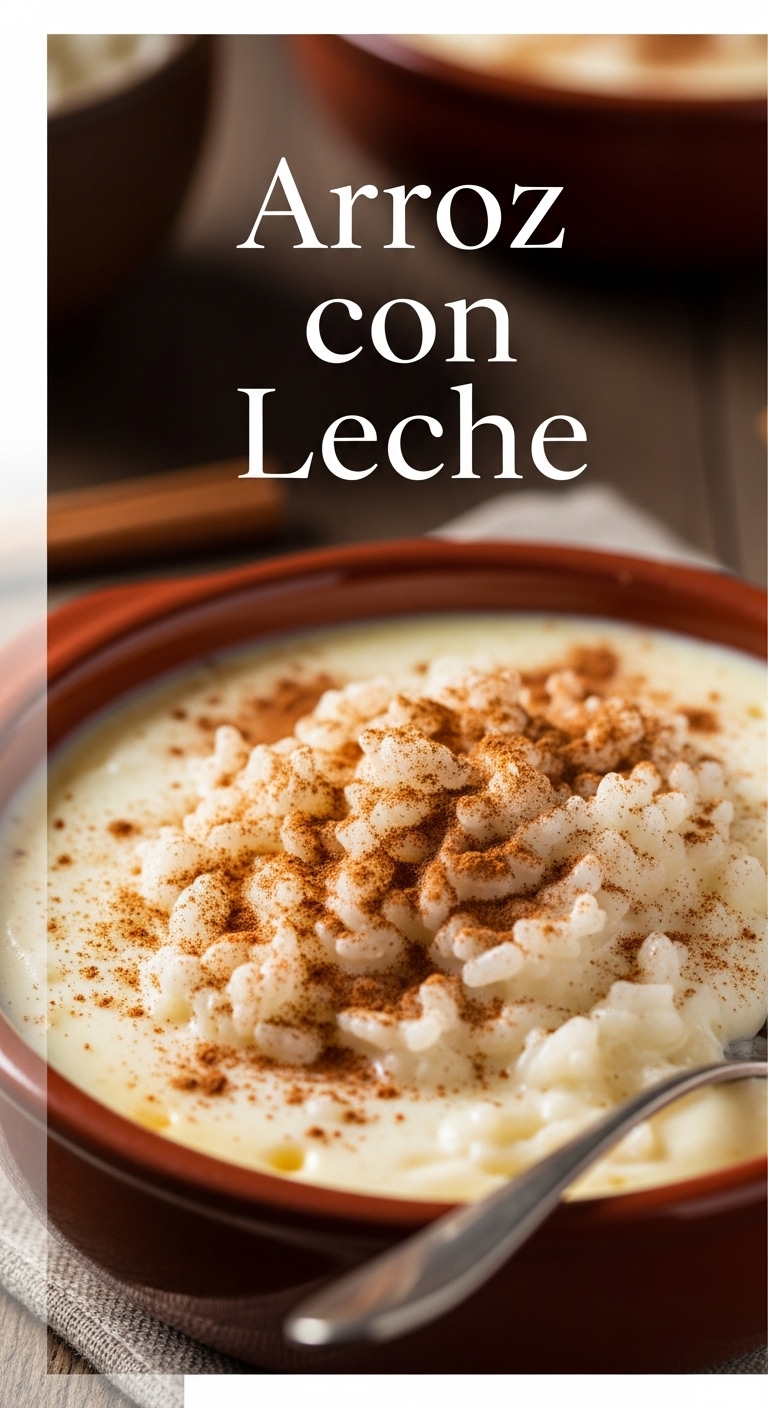
There’s a simple magic in the way a bowl of arroz con leche wraps you in warmth and nostalgia with every spoonful. This beloved dessert, a creamy symphony of rice, milk, and sugar, has transcended generations and borders, earning its place as a sweet comfort in kitchens around the world. More than just a dish, arroz con leche tells a story-of humble ingredients transformed by patience, tradition, and love into a luscious treat that soothes both body and soul. In this article, we delve into the rich history, cultural significance, and the artful preparation of this timeless delicacy, inviting you to discover why arroz con leche remains a cherished comfort food across cultures.
Arroz con Leche is an enduring symbol of warmth and comfort that has woven itself into the culinary tapestry of Latin America and Spain for centuries. This beloved sweet rice pudding, with its luscious creamy texture balanced by subtle hints of cinnamon and citrus, captures the essence of home-cooked nostalgia while inviting endless innovation.The humble origins of arroz con leche trace back to Moorish influences in medieval Spain, where variations of rice puddings were cherished in palace kitchens and peasant homes alike.Today, the dish transcends borders and generations, serving as both a festive treat and a soothing everyday dessert.
Prep and Cook Time
- Preparation: 10 minutes
- Cooking: 45 minutes
- Total Time: 55 minutes
Yield
Serves 6 generous portions
Difficulty Level
Easy – perfect for both beginners and seasoned home cooks
ingredients
- 1 cup long-grain white rice, rinsed
- 4 cups whole milk
- 1 cup water
- 1 cinnamon stick
- 1 strip fresh lemon or orange zest (avoid white pith)
- 3/4 cup granulated sugar
- 1 teaspoon pure vanilla extract
- Pinch of salt
- Ground cinnamon, for garnish
- Optional: 1/2 cup sweetened condensed milk for extra creaminess
Instructions
- Combine Rice and Water: In a medium heavy-bottomed pot, add the rinsed rice and water. Bring to a boil over medium-high heat, then reduce to a simmer. Cook uncovered for 10 minutes, stirring occasionally to prevent sticking.
- Add Milk and Aromatics: Pour in the whole milk along with the cinnamon stick and zest strip. Stir gently and return to a low simmer. Let cook uncovered, stirring frequently to keep the rice tender and the pudding creamy.
- sweeten and Flavor: When the rice is nearly soft (about 25 minutes in total),add the sugar,salt,and vanilla extract. stir thoroughly to dissolve the sugar evenly.
- Adjust Creaminess: If you prefer a richer texture,gently stir in the sweetened condensed milk at this stage. Continue to cook another 5-10 minutes until the pudding thickens but retains a luscious silkiness. Remove from heat, discard the cinnamon stick and zest.
- Cool and Serve: spoon the arroz con leche into bowls. Let it cool to your preferred temperature – some love it warm for comfort, others chilled for a refreshing treat. Sprinkle with a dusting of ground cinnamon just before serving for that classic charm.
Expert Tips for Success
- Use whole milk or a combination of whole milk and cream for the best creamy texture; avoid skim or low-fat milk as it can produce a thinner pudding.
- Stirring frequently during the simmer prevents rice from sticking and helps create a smooth consistency without lumps.
- The secret to balanced flavor lies in using fresh citrus zest-it brightens the dish and prevents it from feeling too heavy.
- For a dairy-free version, swap whole milk with coconut milk or almond milk, but add a bit more sugar to balance the natural flavors.
- Make-ahead tip: arroz con leche improves after resting in the fridge overnight – simply rewarm gently before serving or enjoy chilled.
serving Suggestions
Arroz con leche shines beautifully when served with simple yet elegant touches. Try garnishing with a sprinkle of toasted coconut flakes or finely chopped toasted almonds for an added crunch. For a festive twist, drizzle with a warm caramel or dulce de leche sauce. Pair this creamy dessert alongside a cup of strong espresso or a fragrant cinnamon tea to complement and contrast its sweet, mellow notes. To take it further, light desserts like lemon sorbet can provide a refreshing palate cleanser, creating an inviting balance of flavors.
| Nutrient | Per Serving |
|---|---|
| Calories | 280 kcal |
| Protein | 7 g |
| Carbohydrates | 50 g |
| Fat | 4.5 g |

Discover more traditional desserts with a modern flair in our Latin american dessert recipes collection, or enrich your culinary knowledge with this extensive Britannica article on Arroz con leche.
Q&A
Q&A: Arroz con leche – A Creamy Tradition of Sweet Comfort
Q: What exactly is Arroz con Leche?
A: Arroz con Leche is a beloved dessert originating from Spain and widely cherished across Latin America. it’s essentially a creamy rice pudding made by slowly cooking short-grain rice with milk, sugar, and aromatic spices like cinnamon and sometimes citrus zest. The result is a luscious,comforting treat that’s both simple and soulful.
Q: How did Arroz con Leche become a traditional dish?
A: The roots of Arroz con Leche trace back to Moorish influences in medieval Spain, where rice and milk were staples of culinary innovation. As Spanish explorers ventured to the Americas,they brought this dessert with them,adapting it regionally with local ingredients and flavors. Over centuries, it evolved into a sweet symbol of home, family, and party.Q: What makes Arroz con Leche different from other rice puddings?
A: While rice puddings exist worldwide, Arroz con Leche stands out for its balance of creamy texture and delicate flavors. The use of cinnamon sticks and sometimes lemon or orange zest gives it a fragrant warmth. Its texture is rich but not cloying-silky rice grains suspended in velvety milk, frequently enough topped with a dusting of cinnamon powder.
Q: Are there variations of Arroz con Leche in different countries?
A: Absolutely! In mexico, it’s often flavored with vanilla and occasionally raisins. Puerto Rican versions might incorporate coconut milk for a tropical twist. In Peru,it’s common to drizzle it with chancaca syrup (a type of molasses),adding depth and sweetness. Each variation reflects the unique culture and palate of its homeland.
Q: How is Arroz con Leche typically served?
A: It’s enjoyed both warm and cold,depending on preference and occasion. Traditionally, it’s a comforting finish to family meals, often served in small bowls, sprinkled with ground cinnamon. during fiestas, it can be found in generous servings, evoking nostalgia and togetherness.
Q: Can Arroz con Leche be made vegan or dairy-free?
A: Yes! By substituting cow’s milk with almond, coconut, or oat milk, you can easily craft a vegan-friendly Arroz con Leche. Coconut milk, in particular, adds a lush creaminess that complements the spices beautifully, creating a plant-based version that still captures the heart of the classic.
Q: What makes Arroz con Leche such a comforting dessert?
A: beyond its creamy texture and sweet warmth, Arroz con Leche carries the emotional weight of tradition. It’s the kind of dish that reminds you of home – the aroma of cinnamon, the soft spoonfuls shared with loved ones, the slow simmering on the stove as stories are told. It’s comfort not just for the body but for the soul.
Q: Any tips for making the perfect Arroz con Leche?
A: Patience is key! Slow cooking over low heat allows the rice to absorb the milk fully, creating that signature creamy consistency. Stir frequently to prevent sticking and to encourage a luscious texture. Also, don’t be shy with the cinnamon-it’s the spice that ties the whole experience together.
Arroz con Leche is more than just a dessert-it’s a creamy embrace from generations past, sweetening moments big and small with every tender bite. Ready to stir your own pot of tradition?
In Conclusion
Whether enjoyed as a humble homemade treat or served with a modern twist in bustling cafés, arroz con leche remains a timeless symbol of comfort and connection. This creamy, cinnamon-kissed dessert not only delights the palate but also weaves together stories of cultural heritage and familial warmth. As you savor each spoonful, you’re partaking in a sweet tradition that transcends borders and generations-reminding us all that sometimes, the simplest ingredients create the most profound comforts.