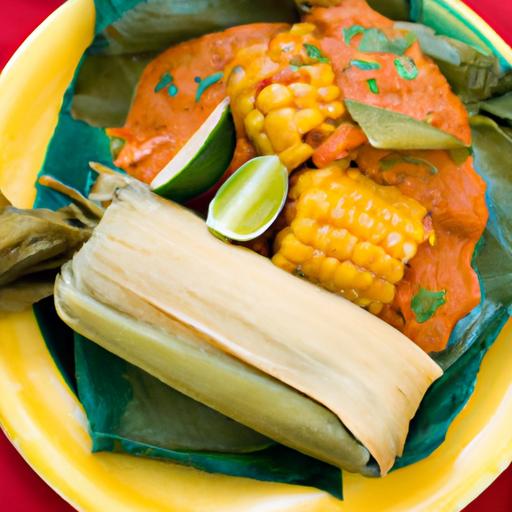

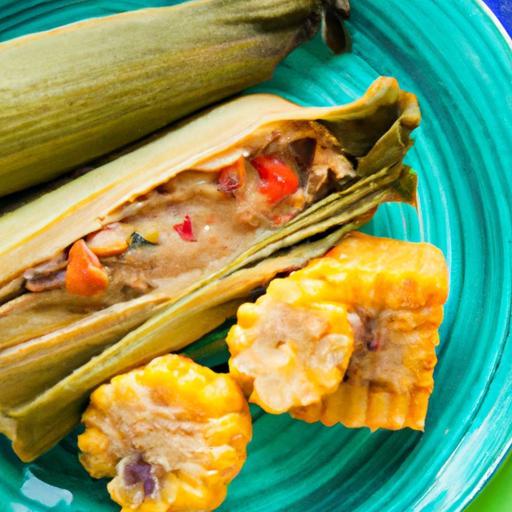

Tamales have long been a cherished staple in Latin American cuisine, steeped in rich history and tradition.While the classic versions frequently enough showcase savory meats wrapped in masa and steamed to perfection, a vibrant evolution is quietly unfolding in kitchens everywhere. Enter the savory veggie tamale-a colorful, wholesome twist that honors age-old techniques while celebrating the bounty of fresh vegetables and bold flavors. This delightful reinvention not only pays homage to tamale craftsmanship but also invites a new generation of food lovers to savor tradition in an exciting, plant-powered way. Join us as we explore how these veggie-filled parcels are adding a fresh splash of color and creativity to a timeless favorite.
Savory Veggie Tamales: A Colorful twist on Tradition
Savory veggie tamales offer a vibrant, wholesome reinterpretation of a cherished Mexican classic, blending rich heritage with garden-fresh ingredients for an unforgettable flavor journey. This dish captures the essence of traditional tamales while inviting you to explore delightful vegetable medleys and aromatic spices that elevate each bite. Whether you grew up with tamales at holiday celebrations or are discovering them anew, these savory veggie tamales will inspire you to embrace bold colors and textures in yoru kitchen.
Prep and Cook Time
Total time: 2 hours (including soaking and steaming)
Active prep time: 45 minutes
Cook time: 1 hour 15 minutes
Yield
Makes 12 hearty tamales, serving 4-6 people depending on appetite and accompanying dishes.
Difficulty Level
medium: Requires attention to detail and some hands-on technique,but highly rewarding with practice.
Ingredients
- 2 cups masa harina (corn masa flour)
- 1 ½ cups vegetable broth (warm)
- 1 cup vegetable shortening or unsalted vegan butter, softened
- 1 tsp baking powder
- 1 tsp salt
- 12 dried corn husks, soaked in warm water for 30 minutes
- 1 small onion, finely chopped
- 2 cloves garlic, minced
- 1 cup diced bell peppers (use a mix of red, yellow, and green for color)
- 1 cup fresh corn kernels
- 1 cup diced zucchini
- 1 cup black beans, cooked and drained
- 1 tsp ground cumin
- 1 tsp smoked paprika
- ½ tsp chili powder
- Salt and freshly ground black pepper, to taste
- Fresh cilantro for garnish
Instructions
- Prepare the filling: In a large skillet over medium heat, add a splash of olive oil and sauté the onions and garlic until translucent and fragrant, about 3-4 minutes. Add the diced bell peppers,zucchini,and corn kernels,stirring to combine.
- Season and cook the veggies: Sprinkle in cumin, smoked paprika, chili powder, salt, and pepper.Sauté until vegetables are tender but still vibrant, about 5 more minutes. Remove from heat and stir in the black beans. Set aside to cool.
- Make the masa dough: In a large bowl, beat the vegetable shortening until fluffy, about 2 minutes with an electric mixer. In a separate bowl, whisk together the masa harina, baking powder, and salt.
- Create the dough batter: Gradually add the dry masa mixture alternately with the warm vegetable broth, mixing continuously until soft, pliable dough forms. The dough should be slightly sticky but hold shape when pressed.
- Test dough readiness: Drop a small piece of dough in cold water; if it floats, the masa is perfect. If it sinks, continue beating and adding a little more shortening.
- Assemble the tamales: Drain and pat dry the soaked corn husks. Spread about 3 tablespoons of masa dough evenly over the inner side of each husk, leaving space on the edges.
- Add filling: Spoon a generous amount of the savory veggie mixture down the centre of the dough. Fold the husk edges over the filling tightly, then fold the bottom end under to seal.
- Steam the tamales: Set up a steamer pot with water simmering (without touching the tamales). Arrange tamales upright and cover with a damp cloth. Steam gently for 60-90 minutes, adding water as needed. Tamales are done when the masa pulls away easily from the husk.
- Rest and serve: Let the tamales rest for 5 minutes before serving. Carefully unwrap and garnish with fresh cilantro or your favorite salsa.
Tips for Success
- Vegetable Variations: Feel free to experiment with mushrooms, spinach, or roasted sweet potatoes for different flavor profiles.
- spice Balance: Adjust chili powder or add fresh jalapeños if you prefer a bit of heat.
- Masa Dough Consistency: Ensure the masa isn’t too dry or stiff; the water or broth temperature matters-use warm for best absorption and pliability.
- Make Ahead: Tamales can be assembled a day before and stored in the fridge, then steamed fresh when ready to eat.
- Freezing: Wrap cooled tamales individually in plastic wrap, then foil, to freeze for up to 2 months. Reheat by steaming directly from frozen.
Serving Suggestions and Pairings
These savory veggie tamales shine when served with vibrant sides and fresh accompaniments. Consider a dollop of cooling vegan sour cream or creamy guacamole to complement the earthy masa and spiced veggies. A crisp cactus and tomato salad or fresh pico de gallo add refreshing contrast. For beverages,a chilled glass of traditional horchata or a tangy lime agua fresca pair beautifully. Garnish with chopped cilantro and a wedge of lime to amplify freshness and color on your plate.

| Nutrient | Per Serving |
|---|---|
| Calories | 320 kcal |
| Protein | 8 g |
| Carbohydrates | 45 g |
| Fat | 10 g |
For a deeper dive into traditional tamale crafting techniques, check out our thorough guide on Authentic Mexican Tamales.
Q&A
Q&A: Savory Veggie Tamales – A Colorful twist on Tradition
Q1: What exactly are savory veggie tamales?
A1: Savory veggie tamales are a vibrant, plant-powered take on the classic tamale – a traditional Mesoamerican dish made of masa (corn dough) wrapped in corn husks and steamed. Instead of the customary pork or chicken fillings, these tamales burst with colorful vegetables, herbs, and spices, offering a fresh and healthful twist that honors tradition while embracing modern palates.
Q2: How do veggie tamales differ from traditional tamales?
A2: While the foundation remains the same, the main difference lies in the filling. Traditional tamales ofen feature rich, slow-cooked meats or cheeses, while veggie tamales swap these out for an array of vibrant vegetables like roasted peppers, zucchini, corn, mushrooms, and even leafy greens. This not only adds layers of texture and flavor but also caters to vegetarian and vegan diets.
Q3: What makes the filling in veggie tamales so flavorful despite lacking meat?
A3: The magic comes from expertly seasoned vegetables combined with aromatic herbs, smoky spices like cumin and smoked paprika, and sometimes a splash of chili or tangy salsa verde. Roasting or sautéing the veggies beforehand caramelizes their natural sugars, intensifying their taste. Plus, ingredients like roasted garlic and fresh cilantro add depth and brightness that make every bite memorable.
Q4: Can anyone make savory veggie tamales at home, or is it a elaborate process?
A4: While tamale-making is often considered an art passed down through generations, making savory veggie tamales at home is totally achievable – and fun! It requires some patience to prepare the masa and assemble each tamale, but with a bit of prep and a good recipe, beginners can join in the tamale tradition. Bonus: it’s a perfect family activity or a lively kitchen experiment!
Q5: Are savory veggie tamales suitable for special occasions or everyday meals?
A5: Absolutely! Tamales have always been a festive food for celebrations like Día de los Muertos and Christmas, and veggie tamales continue that spirit. Their vibrant colors and fresh flavors make them a delightful centerpiece for any gathering. Yet, they’re also hearty and nutritious enough for a satisfying weeknight dinner or a make-ahead freezer meal for busy days.
Q6: How can one serve and enjoy savory veggie tamales for an authentic experience?
A6: Serve them warm, fresh out of the steamer, wrapped in their husks to keep the aroma locked in. They pair beautifully with classic sides like Mexican rice, refried beans, or a crisp salad. For that extra pop, offer toppings like tangy tomatillo salsa, creamy guacamole, or a drizzle of spicy chipotle sauce. Enjoying tamales communally-with friends or family-really captures the heart of this tradition.
Q7: What’s the cultural significance of tamales, and how do veggie versions honor that heritage?
A7: Tamales date back thousands of years to indigenous peoples of Mesoamerica, symbolizing community, craftsmanship, and party. By embracing vegetable fillings, savory veggie tamales pay homage to these roots while reflecting today’s evolving culinary landscape. They respect the masa, husks, and method, proving that tradition can be vibrant and adaptable-and just as appetizing!
To Wrap It Up
As the aroma of these savory veggie tamales fills your kitchen, you’ll realize that tradition doesn’t have to be confined to old recipes-it can evolve, embrace color, and celebrate fresh flavors. This colorful twist not only honors the rich heritage of tamale-making but also invites a vibrant, plant-based palette to the table. Whether you’re a seasoned tamale aficionado or a curious cook seeking new culinary adventures, these veggie tamales offer a delicious bridge between time-honored customs and contemporary tastes. So, gather your ingredients, wrap up your creativity, and let this savory, veggie-filled delight become a new staple in your family’s festive moments. After all, every tamale tells a story-why not make yours a colorful and savory one?