
Beneath the serene surface of Japanese cuisine lies a hidden treasure: chawanmushi, a delicate custard that whispers of tradition and refinement in every silky spoonful. Often overshadowed by sushi and ramen’s global fame, this steamed egg delicacy invites diners into a world where simplicity meets elegance, and humble ingredients transform into an ethereal experience. In “Chawanmushi Unveiled: Japan’s Silky Steamed Egg Delight,” we journey through its origins, techniques, and regional variations, uncovering the art behind this soothing dish that has captivated palates for centuries. Prepare to dive into a culinary secret that is as comforting as it is exquisite.
Chawanmushi, Japan’s silky steamed egg delight, invites you to embark on a sensory journey into one of Japan’s most delicate yet deeply comforting dishes. This savory custard is as refined in technique as it is rich in tradition, weaving layers of umami and subtle textures that melt in your mouth. At its heart,chawanmushi balances simplicity with artistry,making it a beloved staple across Japanese dining tables,from humble homes to sophisticated kaiseki menus.
Prep and Cook Time
- preparation: 15 minutes
- Cooking: 20-25 minutes
- Total: 35-40 minutes
Yield
Serves 4 small portions
Difficulty Level
Medium - requires gentle steaming techniques and ingredient harmony
Ingredients
- 4 large eggs, gently beaten
- 2 cups dashi stock (preferably homemade, cooled)
- 1 tsp soy sauce
- 1 tsp mirin
- 1/2 tsp salt
- 100g chicken thigh, cut into small bite-sized pieces
- 4 small shiitake mushrooms, thinly sliced
- 4 small cooked shrimp, peeled and deveined
- 1/4 cup kamaboko (fish cake), sliced
- 1 tbsp mitsuba leaves (Japanese parsley) or substitute with fresh cilantro
Instructions
- Prepare the custard base: In a mixing bowl, gently whisk together the eggs without creating too much foam. Combine with dashi, soy sauce, mirin, and salt, stirring carefully to maintain a smooth texture. strain the mixture through a fine sieve to ensure a silky custard finish.
- Arrange ingredients: Distribute the chicken, shiitake, shrimp, and kamaboko evenly in four heatproof chawanmushi cups or small ramekins.
- Add custard mix: Pour the strained egg mixture slowly into each cup, filling up to about 90% full to prevent overflow during steaming.
- Prepare for steaming: Cover each cup with a small piece of parchment paper or aluminum foil to trap steam and prevent water droplets from falling onto the custard surface.
- Steam gently: Place cups in a steamer basket over simmering water. Steam on low heat for 20-25 minutes. Check doneness by inserting a wooden skewer – it should come out clean and custard should have a slight jiggle but be mostly set.
- Garnish and serve: Scatter fresh mitsuba leaves atop each cup right before serving to add an herbal note and vibrant contrast.
Tips for Success
- Use fresh, high-quality dashi as the flavor foundation-it makes all the difference in the smoothness and umami depth.
- Straining the custard mixture is essential for creating a velvety texture free from lumps or bubbles.
- Maintain a low, gentle steam rather than boiling fiercely-this prevents curdling or cracking on the surface.
- Feel free to swap the chicken for duck or prawns for crab, leaning into regional taste preferences for personalized twists.
- The dish can be refrigerated and gently reheated by steaming, making it a great make-ahead appetizer.
Exploring Regional Twists and Flavor Variations
Across Japan, chawanmushi transforms depending on locality and season.In Kansai, a lighter, subtly sweet dashi takes center stage, while in Kanto, the custard tends toward a stronger soy-forward profile. Some coastal regions incorporate fresh seafood like clams or uni for an ocean-fresh accent. Mountainous areas highlight wild mushrooms or bamboo shoots, capturing earthy elements of nature’s bounty. Each variation celebrates the harmony of seasonal,local ingredients folded masterfully into the smooth custard base – proving chawanmushi is as much about place as it is flavor.
Pairing Perfection: Recommended Sides and Drinks
To elevate your chawanmushi experience, offer light accompaniments that complement but don’t overpower its subtlety. Crisp,pickled vegetables such as takuan or cucumber sunomono provide refreshing acidity. A bowl of steamed rice or a delicate sashimi plate pairs beautifully for a balanced meal. when it comes to drinks, opt for a chilled junmai sake or a dry white wine like a Grüner Veltliner to amplify the umami while cleansing the palate. Green tea also offers a traditional, earthy match.
Serving Suggestions
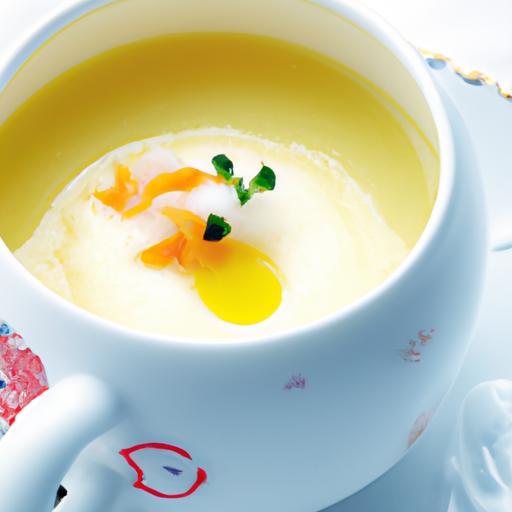
- Serve chawanmushi in traditional small porcelain cups for authentic presentation.
- garnish with fresh mitsuba or thinly sliced yuzu zest for pops of color and fragrant uplift.
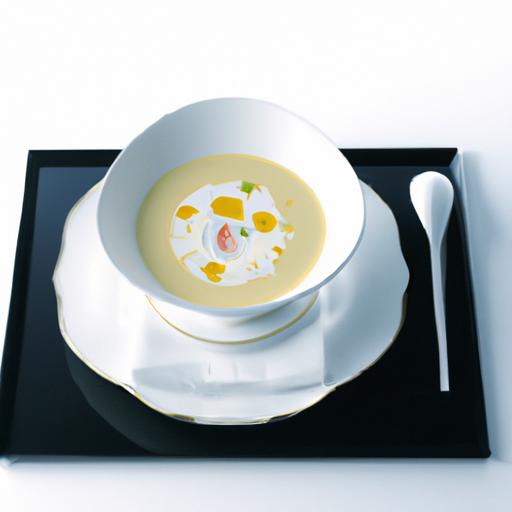
- Present alongside a wooden tray with a matching lacquer spoon to enhance the tactile and visual charm.
- Consider pairing with a small bowl of clear soup to round out the delicate flavors.
| Nutrient | Per Serving |
|---|---|
| Calories | 120 kcal |
| Protein | 15 g |
| carbohydrates | 3 g |
| Fat | 5 g |
 silky steamed egg delight in traditional cup with garnish of mitsuba leaves” class=”wp-image-1234″/>
For a deeper dive into Japanese steamed dishes, explore our Ultimate Guide to Japanese Steamed recipes to unlock more culinary treasures.
Q&A
Q&A: chawanmushi Unveiled – Japan’s Silky Steamed Egg Delight
Q1: What exactly is Chawanmushi?
A1: Imagine a delicate custard, silky smooth and infused with the subtle umami of dashi broth-this is Chawanmushi. It’s a traditional Japanese steamed egg custard served warm in a small cup or bowl, brimming with hidden treasures like shrimp, shiitake mushrooms, kamaboko (fish cake), and fragrant ginkgo nuts.The name literally means “steamed in a tea cup,” capturing its humble yet elegant presentation.
Q2: How does Chawanmushi differ from Western-style egg custards or puddings?
A2: Unlike sweet Western custards that rely on sugar and cream, Chawanmushi is savory and infused with dashi-the soul of Japanese cooking made from kombu seaweed and bonito flakes. This broth imbues the eggs with a subtle depth of flavor, while the steaming method yields a texture that is ethereal and melt-in-your-mouth, unlike the firmer baked custards familiar in the West.
Q3: What is the history behind Chawanmushi?
A3: Legend whispers that chawanmushi’s origins trace back to the Edo period, when resourceful cooks sought elegant ways to blend simple ingredients into refined dishes.Over time,it became a fixture of kaiseki cuisine-the traditional multi-course Japanese meal-celebrated for its understated beauty and comforting warmth.
Q4: What ingredients are essential to making authentic Chawanmushi?
A4: The heart of Chawanmushi lies in three key elements: eggs, dashi broth, and a hint of soy sauce or mirin for seasoning. Beyond this trifecta, it’s a canvas open to interpretation: succulent shrimp, tender chicken pieces, shiitake mushrooms, mitsuba herbs, and even ginkgo nuts add texture and color, making each spoonful a revelation.
Q5: How is Chawanmushi traditionally prepared?
A5: Patience is key. The eggs are gently beaten and mixed with chilled dashi and seasoning, then strained to achieve perfect silkiness. The mixture is carefully poured into cups containing the chosen fillings, covered, and steamed slowly over low heat. This slow, gentle cooking creates that iconic silky texture without curdling or bubbles.
Q6: Can Chawanmushi be enjoyed year-round, or is it seasonal?
A6: While Chawanmushi is enjoyed throughout the year, its warm, comforting nature makes it especially cherished in cooler months. However, creative cooks may adjust the fillings with seasonal ingredients-like fresh bamboo shoots in spring or chestnuts in autumn-making it a versatile dish that celebrates Japan’s changing seasons.
Q7: How is Chawanmushi served and eaten?
A7: Served piping warm in its own little cup, Chawanmushi is eaten directly with a spoon.The experience is intimate and slow-each bite unveils layers of flavor and texture,from silky custard to tender morsels tucked inside. It’s frequently enough served as part of a multi-course meal or as a delicate appetizer that prepares your palate for what’s next.
Q8: Are there regional variations of Chawanmushi in japan?
A8: Absolutely! In Kansai (western Japan), the seasoning tends to be lighter, allowing the pure egg flavor to shine, while in Kanto (eastern Japan), it can be richer and more robust. Some regions toss in local specialties, such as eel or crab, adding unique twists that reflect local culinary heritage.
Q9: Is Chawanmushi challenging to make at home?
A9: While it requires gentle hands and attention to detail-especially in balancing seasoning and steaming time-home cooks can absolutely master Chawanmushi. The secret is low and slow steaming and a well-strained egg-dashi mixture to ensure that signature custard smoothness. Plus, it’s a fun adventure for anyone eager to explore Japanese home cooking.
Q10: How does Chawanmushi embody Japanese culinary beliefs?
A10: Chawanmushi distills the essence of Japanese cooking: simplicity married with elegance, humble ingredients elevated through technique, and a deep respect for seasonality and subtle flavors. It’s a quiet yet profound party of texture and taste-a dish that invites you to savor the moment and appreciate the beauty in simplicity.
Future Outlook
As the delicate steam rises and the frist spoonful of chawanmushi caresses the palate, one truly appreciates the artistry behind this humble Japanese delicacy.More than just a savory custard, chawanmushi is a testament to Japan’s mastery of subtle flavors and textures-a whisper of tradition served in a small cup. Whether enjoyed in a bustling Tokyo eatery or crafted lovingly at home, this silky steamed egg delight invites us to slow down, savor simplicity, and discover the quiet elegance woven into every bite. So next time you seek a taste of Japan’s culinary soul, let chawanmushi be your gentle guide.