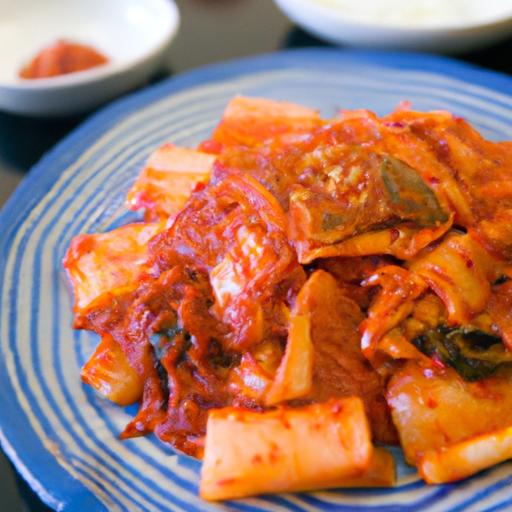

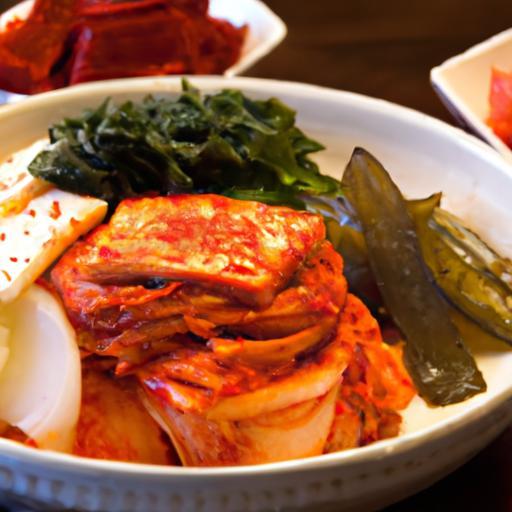
In the vibrant tapestry of Korean cuisine, kimchi stands out not just as a dish, but as a cultural emblem steeped in history and flavor. This fiery,fermented delight has been a staple on Korean tables for centuries,weaving together tradition,community,and health into every spicy bite. Beyond its bold taste and captivating aroma lies a world of ancient techniques and modern science, revealing kimchi as much more than food-it’s a living testament to Korea’s heritage and a natural powerhouse of wellness. Join us as we peel back the layers of this iconic delicacy in “Kimchi Unveiled: Korea’s Spicy Tradition and Health Boost,” exploring how a humble cabbage transforms into a global symbol of both culture and vitality.
Kimchi Unveiled: a vibrant symbol of Korean heritage, this spicy fermented delicacy has transcended centuries, weaving together culture, science, and health. Originating from humble beginnings, kimchi’s complex layers of flavor and its time-honored fermentation process make it a culinary treasure. Whether enjoyed as a pungent side dish or a key ingredient, kimchi offers a fascinating journey into Korea’s rich traditions and cutting-edge nutritional benefits.
Prep and Cook Time
- Preparation: 30 minutes
- Fermentation: 3 to 7 days (depending on temperature and taste preference)
- Total time: Approximately 4 days for optimal flavor progress
Yield
About 1 quart (4 servings)
Difficulty Level
Medium: Requires patience during fermentation and attention to ingredient balance.
Ingredients
- 1 medium Napa cabbage (about 2.5 pounds),quartered and washed
- 1/2 cup kosher salt (for salting the cabbage)
- 4 cups water
- 5 cloves garlic,finely minced
- 1 tablespoon ginger,freshly grated
- 3 tablespoons Korean red chili pepper flakes (gochugaru),adjust to taste
- 3 green onions,chopped into 1-inch pieces
- 1 small carrot,julienned
- 1/4 cup fish sauce (or soy sauce for vegan option)
- 1 teaspoon sugar
- 1/2 cup daikon radish,julienned
Instructions
- Prepare the cabbage: Dissolve 1/2 cup salt into 4 cups cold water. Submerge the quartered cabbage in the saltwater, weighting it down if necessary. Let it soak for 2 to 3 hours, turning occasionally for even salting.
- Rinse and drain: Carefully rinse the cabbage under cold water 2 to 3 times to remove excess salt. Drain for 20 minutes in a colander, making sure the leaves remain moist but not soggy.
- Make the kimchi paste: In a mixing bowl, combine minced garlic, grated ginger, gochugaru, fish sauce, and sugar. stir until a cohesive, fiery paste forms. Add in julienned carrot, daikon radish, and chopped green onions for texture and freshness.
- Coat the cabbage: Wearing gloves to protect your hands from chili irritation, spread the kimchi paste evenly between each leaf of the cabbage quarters. Don’t rush-ensuring each leaf is well-coated guarantees layers of bold flavor.
- Pack and ferment: Tightly pack the coated cabbage quarters into a clean, airtight container or customary Korean onggi. Press down to remove air pockets. Leave space at the top for expansion during fermentation.
- Fermentation control: Leave the container at room temperature (65-72°F) for 1 to 3 days to initiate fermentation. Taste daily until it reaches your desired tanginess, then transfer to the refrigerator to slow fermentation.
- Enjoy: Kimchi continues to develop flavor over time. Savor it fresh as a crunchy, spicy treat or wait for a deeper, tangier umami experience.
Tips for Success
- Salt choice: Use kosher or sea salt without additives to avoid interfering with fermentation.
- Temperature matters: Warmer environments speed fermentation but risk over-ripening; cooler temperatures slow it down and deepen flavors.
- Customize spice level: Adjust gochugaru based on your heat preference, starting conservatively if new to spicy foods.
- Vegan option: Substitute fish sauce with tamari or soy sauce to keep flavors robust without animal products.
- Make ahead: Kimchi’s flavor improves over time; prepare a batch a week before planned meals for optimal taste.
Serving Suggestions
Traditionally served as a pungent side alongside steamed rice and grilled meats, kimchi also shines when:
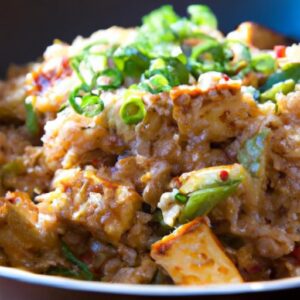
- Stirred into savory fried rice or hearty Korean stews (kimchi jjigae)
- layered in sandwiches or tacos for a spicy crunch
- Mixed into creamy dips or scrambled eggs for a surprising zest
- Garnished with toasted sesame seeds and thinly sliced scallions for added aroma and texture
| Nutritional aspect | Per 100g |
|---|---|
| Calories | 25 kcal |
| Protein | 2 g |
| Carbohydrates | 4 g |
| Fat | 0.5 g |

Enhance your culinary repertoire by exploring the comprehensive guide to korean fermented foods, and deepen your understanding of gut-healthy traditions. For a scientific overview of fermentation’s health impact, visit this National Institutes of Health article.
Q&A
Q&A: Kimchi Unveiled – Korea’s Spicy Tradition and Health Boost
Q1: What exactly is kimchi, and why is it so iconic in Korean culture?
A1: Kimchi is a traditional Korean side dish made from fermented vegetables-most commonly napa cabbage and radishes-seasoned with chili pepper, garlic, ginger, and salty brine.more than just food, kimchi embodies centuries of Korean heritage, symbolizing hospitality, family bonding, and the ever-changing seasons.It’s served at nearly every Korean meal, making it as integral to Korea as pasta is to Italy or sushi to Japan.
Q2: How did kimchi come to be such a staple in Korea’s culinary landscape?
A2: The origins of kimchi date back over 2,000 years, evolving from simple pickled vegetables to the spicy, complex ferment we know today. Korea’s long, harsh winters demanded methods to preserve vegetables, so fermentation was a natural choice. Over time, the addition of red chili pepper-introduced in the 16th century-gave kimchi its fiery kick. It became more than preservation; it became a flavor journey and cultural ritual, with families often passing down unique recipes through generations.
Q3: What makes kimchi so spicy, and does the heat vary?
A3: The signature spice of kimchi comes from gochugaru-coarsely ground Korean red chili flakes. The heat level can vary widely: some kimchis lean mild and tangy, while others pack a fiery punch that tingles the tongue. Each region and household tweaks the spice and ingredients, resulting in hundreds of kimchi variations. this spectrum of flavors caters to all kinds of palates, from kimchi newcomers to spice aficionados.Q4: Beyond taste, what health benefits does kimchi offer?
A4: Kimchi is not only a flavor powerhouse but also a nutritional dynamo. Thanks to fermentation, it’s rich in probiotics, those pleasant bacteria that promote gut health and aid digestion. It’s also loaded with vitamins A, B, and C, antioxidants, and dietary fiber. Research suggests kimchi may boost immunity, reduce inflammation, and even support weight management.Think of kimchi as a spicy little guardian for your well-being.
Q5: How can someone new to kimchi best enjoy this bold dish?
A5: Dive in gradually! Start by sampling mild versions alongside rice or grilled meats. Kimchi’s tangy and spicy notes complement many dishes: it can brighten up soups, stews (like the classic kimchi jjigae), pancakes, and even burgers. For the adventurous, try making your own kimchi at home-experiencing the magic of fermentation firsthand. Whichever way you approach it, kimchi invites you on a journey of taste, tradition, and health.
Q6: Is kimchi only made with cabbage, or are there other varieties?
A6: While napa cabbage kimchi is the most famous, kimchi comes in numerous forms made from different vegetables and even fruits. Baechu (cabbage), kkakdugi (cubed radish), oi (cucumber), and bossam (wrapped kimchi) are just a few examples. Each variety carries distinct textures and flavors, highlighting Korea’s diverse ingredients and creative palate.
Q7: Can the fermentation process affect the flavor and health properties of kimchi?
A7: Absolutely! Fermentation time and temperature play critical roles in shaping kimchi’s flavor,texture,and probiotic content. Freshly made kimchi tends to be crunchy and mildly tangy, while fermented kimchi develops deeper sourness and complexity.The probiotics flourish during fermentation, enhancing the health benefits. Controlling fermentation is both an art and science that transforms simple vegetables into a living, evolving delicacy.
Q8: Why is kimchi gaining popularity worldwide today?
A8: Kimchi’s global rise reflects our growing hunger for flavorful,nutritious,and culturally rich foods. its unique blend of spicy, sour, and umami notes appeals to adventurous eaters, while health-conscious consumers appreciate its natural probiotics and vitamins. Plus, the world’s fascination with Korean culture-from K-pop to K-dramas-has put a appetizing spotlight on kimchi.It’s more than a side dish now; it’s a worldwide culinary ambassador.
Unlock the layers of tradition, spice, and health in kimchi-a boldly fermented treasure that’s as dynamic as Korea itself. Whether you savor it for flavor, wellness, or cultural connection, kimchi remains a fiery testament to the art of Korean fermentation.
In Conclusion
As the fiery aroma of kimchi continues to captivate taste buds around the world, its story is more than just a tale of spicy fermentation-it is a vibrant reflection of Korea’s rich cultural heritage and a testament to the profound health benefits nestled within each bite. From its humble origins in ancient kitchens to its celebrated status on modern tables, kimchi remains a dynamic symbol of tradition, resilience, and wellness. So next time you savor that tangy crunch, remember: you’re not just enjoying a flavorful dish-you’re partaking in a centuries-old ritual that nurtures both body and soul.