
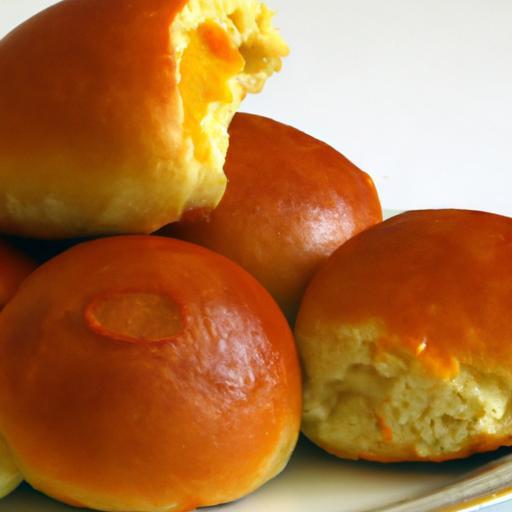
Nestled along the sun-kissed shores of coastal Karnataka lies a culinary gem that has captured the hearts-and taste buds-of food lovers far and wide: Mangalore Buns. These soft,golden-hued delicacies are more than just a snack; they are a festivity of tradition,culture,and the subtle sweetness woven into the fabric of daily life in this vibrant region. Lightly fluffy with a tender crumb and a hint of jaggery’s natural sweetness, Mangalore Buns invite you to experience a comforting bite that tells a story of coastal India’s rich heritage. Whether enjoyed steaming hot with a side of spicy chutney or paired with a cooling cup of chai, these buns offer a delightful escape into the flavors of mangalore, blending simplicity with soul in every delicious morsel.
Mangalore Buns: Soft, Sweet Delights from Coastal India
 Mangalore Buns are a traditional delicacy hailing from the coastal region of India, renowned for their soft and sweet texture. These delightful treats are made using ripe bananas, which impart a unique flavor and natural sweetness. Often enjoyed as a snack or breakfast item, Mangalore Buns are typically served with coconut chutney or savory accompaniments, enhancing their appeal. Their rich cultural significance and delectable taste make them a cherished part of Indian cuisine.
mangalore Buns are iconic soft, sweet delights from coastal Karnataka that beautifully capture the warmth of local culinary traditions. These golden, fluffy deep-fried discs are more than just a snack-they’re a celebration of the region’s uniquely rich flavors and cultural heritage. Originating as a breakfast staple among the Tulu-speaking communities, Mangalore Buns combine the humble banana with wheat flour and a hint of sugar to create a dough that puffs up into tender clouds of sweetness when fried. My first bite of these buns instantly transported me to sunlit kitchens where generations perfected this recipe, making it a heartfelt connection to the coast’s vibrant food culture.
Prep and Cook Time
- Preparation: 20 minutes
- Resting Time: 1 hour (for the dough to ferment slightly)
- Cooking: 15 minutes
- Total Time: Approximately 1 hour 35 minutes
Yield
Makes about 10-12 medium-sized Mangalore Buns, perfect for serving 4-6 people.
Difficulty Level
Easy to Medium – Requires simple ingredients and basic frying skills.
ingredients for soft, Sweet Mangalore Buns
- 2 ripe bananas (well mashed, about 1 cup)
- 1 cup all-purpose flour, sifted
- ½ cup whole wheat flour
- 2 tbsp sugar (adjust to taste)
- ½ tsp baking soda
- ¼ tsp salt
- ⅓ cup yogurt (plain, preferably slightly sour)
- 1 tbsp oil for the dough
- Oil (for deep frying)
step-by-Step Guide to Perfecting Your Own Mangalore Buns at Home
- Prepare the dough: In a large mixing bowl, mash the ripe bananas thoroughly until smooth. Add the yogurt and oil and mix well.
- Mix dry ingredients: In another bowl,sift together the all-purpose flour,whole wheat flour,baking soda,sugar,and salt.
- Combine wet and dry: Gradually add the dry ingredients to the banana mixture, stirring to form a sticky dough. the dough should be soft but not overly wet. Add a teaspoon of water or more flour sparingly to adjust consistency.
- Rest the dough: Cover the bowl with a clean cloth and let it rest at room temperature for at least 1 hour. This resting time is crucial for a slight fermentation that enhances softness and flavor.
- Heat the oil: Pour enough oil into a deep frying pan to submerge the buns. Heat over medium flame until it reaches about 350°F (175°C).If you don’t have a thermometer, drop a small piece of dough; it should sizzle and rise slowly.
- Shape the buns: Lightly oil your hands. Take a golf ball-sized portion of the dough, place it on a lightly floured surface, and gently pat it into a thin, round disc, about 5-6 inches in diameter. Ensure it’s even for uniform puffing.
- Fry to perfection: Carefully slide the discs into the hot oil. Fry on each side for about 1.5 to 2 minutes or until they puff up and turn a rich golden brown. Flip as needed and ensure even cooking.
- Drain and serve: Remove the buns using a slotted spoon and drain on paper towels to remove excess oil. Repeat with the remaining dough.
Chef’s Notes: Tips for Success
- Banana Ripeness: Use very ripe bananas for natural sweetness and moisture that contribute to softness.
- Yogurt Choice: Slightly sour curd enhances the tangy depth and helps ferment the dough gently. Avoid sweetened yogurt.
- Resting Time: Don’t skip the 1-hour rest; it allows slight fermentation, yielding a tender crumb and subtle airiness.
- Shaping Tip: Avoid rolling with a rolling pin; gently patting the dough by hand keeps the air pockets intact for better puffing.
- Frying Temperature: Maintain medium heat; excessively hot oil browns outsides but leaves the inside dense and doughy.
- Storage: Store leftovers in an airtight container at room temperature for up to 2 days. Reheat on a pan or oven to refresh softness.
Pairing Suggestions and Serving Tips to Elevate the Mangalore Buns Experience
Mangalore Buns shine brightest when paired thoughtfully. Traditionally, they are served with coconut chutney or a punchy coriander-mint chutney that balances the buns’ sweetness beautifully. For a protein boost, accompany with a bowl of hot sambar or a mildly spiced vegetable curry.
To add a contemporary twist, spread a thin layer of ghee or honey on warm buns just before serving. Garnish with finely chopped fresh coriander or curry leaves for an enticing aroma and visual appeal. These buns also pair wonderfully with a steaming cup of South Indian filter coffee or masala chai for a truly immersive coastal breakfast or snack experience.

| Nutrient | Per Serving (1 Bun) |
|---|---|
| Calories | 150 kcal |
| Protein | 3 g |
| carbohydrates | 28 g |
| Fat | 4 g |
For more delicious recipes from karnataka’s coastal regions,explore our Coastal Karnataka Specialties collection. To deepen your culinary knowledge, check out this detailed exploration on the Udupi cuisine, a foundation to many coastal delights.
Q&A
Q&A: Mangalore Buns – Soft, Sweet Delights from Coastal India
Q1: What exactly are Mangalore buns?
A1: Mangalore Buns are a traditional delicacy from the coastal region of Karnataka, India. Picture golden, fluffy, deep-fried bread that’s mildly sweet and incredibly soft-these buns offer a delightful twist on typical Indian fried snacks. Unlike regular puris or bhaturas, Mangalore Buns incorporate ripe bananas in their dough, giving them a subtle sweetness and a unique melt-in-the-mouth texture.
Q2: How do bananas transform the humble bun into something special?
A2: Bananas are the secret superhero ingredient here! When mashed and mixed into the flour, they lend natural sweetness and moisture to the dough, eliminating the need for a lot of sugar or oil. This addition makes the buns tender, aromatic, and slightly fruity, setting them apart from other fried breads. It’s like a little burst of tropical sunshine in every bite.
Q3: What ingredients go into making Mangalore Buns?
A3: The magic starts with all-purpose flour (maida), ripe bananas, sugar, salt, a pinch of baking soda, and a sprinkle of cumin seeds or green chili for those who prefer a savory kick. Water is used to bring the dough together, which is then allowed to ferment slightly, enhancing the texture and flavor.the final step involves deep-frying the rolled-out discs until they puff up like golden clouds.
Q4: When and how are Mangalore Buns traditionally enjoyed?
A4: Traditionally, these buns are a favorite breakfast or tea-time snack along the coastal belt of karnataka, especially in Mangalore households. They’re often accompanied by a spicy coconut chutney or a tangy sambar,balancing the buns’ sweetness beautifully.Imagine sipping hot filter coffee while nibbling on warm, pillowy buns-it’s comfort food with a coastal flair.
Q5: Can Mangalore Buns be adapted for modern tastes or dietary needs?
A5: Absolutely! The recipe is quite versatile.For a healthier twist, some folks swap all-purpose flour for whole wheat or millet flours. Vegan versions skip dairy or eggs (if used) effortlessly since the bananas provide binding and moisture. You can adjust the sweetness, add spices like cinnamon or cardamom for nuance, or even stuff the buns with savory fillings for a fusion take. The coastal charm remains intact, no matter the variation.
Q6: Why have Mangalore Buns remained popular despite modern food trends?
A6: Their enduring popularity comes from a perfect harmony of simplicity, taste, and cultural nostalgia. They’re easy to make, require minimal ingredients, and evoke warm memories of family kitchens and community gatherings. In a world racing towards fast food and international cuisines, Mangalore Buns offer a delicious pause-a bite of tradition, comfort, and coastal sunshine that never goes out of style.
Q7: Where can one experience authentic Mangalore Buns outside of Karnataka?
A7: While the best way to enjoy them is fresh from a home kitchen in Mangalore,many South Indian restaurants and bakeries in metropolitan cities across India and abroad now serve these treats. Food festivals celebrating regional Indian cuisines often showcase Mangalore Buns too. And thanks to online recipes and cooking videos, you can even bring this coastal delight right into your own kitchen-no matter where you are in the world.
Mangalore Buns aren’t just food-they’re an edible story of coastal life, blending tropical simplicity with culinary charm.Whether you’re a seasoned foodie or a curious traveler, these soft, sweet buns invite you to take a delicious journey to the shores of India’s southwestern coast.
To Conclude
Whether enjoyed steaming hot at a bustling roadside stall or savored slowly over chai in a cozy kitchen, Mangalore Buns remain an irresistible symbol of coastal Karnataka’s rich culinary heritage. These soft,sweet delights invite us to experience not just a snack,but a story-one of simple ingredients transformed by tradition and love into something truly special. Next time you crave a bite of Indian coastal charm, let the golden, fluffy Mangalore Bun transport you to a world where every mouthful is a celebration of culture, comfort, and the timeless joy of good food.