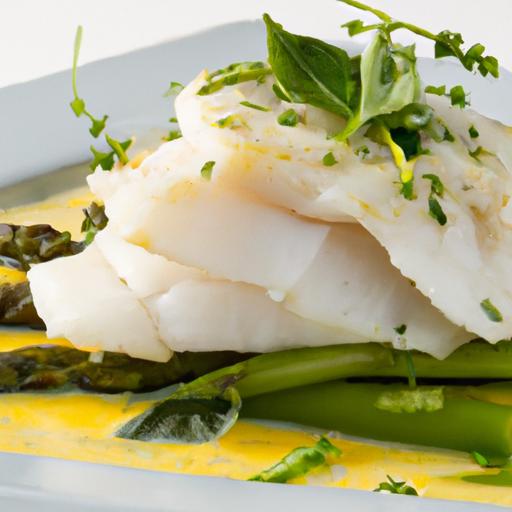

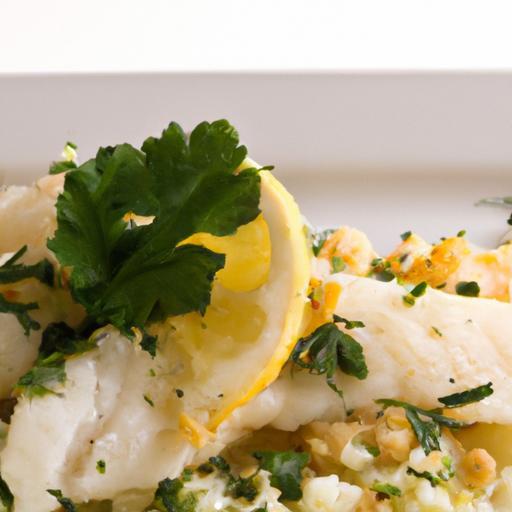
There’s a certain magic in the art of slow cooking-transforming simple ingredients into a symphony of tender, flavorful perfection. When it comes to fish, this gentle approach allows delicate flakes to melt effortlessly on the tongue, each bite infused with subtle nuances developed over time. Enter the zesty lemon dill sauce: a vibrant, tangy companion that brightens the richness of slow-cooked fish with fresh citrus notes and fragrant herbaceous undertones.Together, they create a harmonious interplay of taste and texture, inviting you to savor every morsel and rediscover the joy of mindful, unhurried dining. In this article, we’ll explore how to master this elegant dish that celebrates patience, freshness, and the simple pleasure of wholesome flavors.
Delight in Slow-Cooked Fish with Zesty Lemon Dill Sauce invites you on a culinary journey where simple ingredients transform into a dish of sublime tenderness and vibrant flavors. Slow-cooking fish unlocks its most delicate texture-moist, flaky, and infused with essence-while the radiant tartness of a lemon dill sauce brings a refreshing zing that complements, but never overpowers. This method honors the fish, gently coaxing out its natural flavors, making every bite a tender, buttery delight. inspired by coastal kitchens where fresh catch meets slow-simmered perfection, this recipe is your gateway to effortless elegance.
prep and Cook Time
- Preparation: 15 minutes
- Slow Cooking: 45-60 minutes
- Total Time: Approximately 1 hour
Yield
Serves 4 generous portions
Difficulty Level
Easy to Medium – perfect for home cooks eager to master slow-cooked seafood
Ingredients
- For the Fish:
- 4 fillets of fresh white fish (such as cod, halibut, or sea bass), about 6 oz each
- 1 teaspoon sea salt
- ½ teaspoon freshly ground black pepper
- 2 tablespoons olive oil
- 1 lemon, thinly sliced
- 2 sprigs fresh dill for garnish
- For the Zesty Lemon Dill Sauce:
- ¾ cup plain Greek yogurt
- 2 tablespoons fresh lemon juice (about 1 lemon)
- 1 tablespoon lemon zest, finely grated
- 2 tablespoons fresh dill, finely chopped
- 1 garlic clove, minced
- 1 teaspoon honey
- Salt and pepper, to taste
Instructions
- Prepare the fish: Pat the fish fillets dry with paper towels to ensure even cooking. Season both sides with sea salt and freshly ground black pepper. Lightly rub the olive oil all over each fillet to help create a luscious, silky texture during slow-cooking.
- Arrange for slow-cooking: In a slow cooker or a heavy-bottomed ovenproof dish with a lid, lay the fish fillets in a single layer. Top each fillet with a couple of thin lemon slices to infuse gentle citrus aroma while it cooks.
- Cook gently: Set the slow cooker on low heat or preheat your oven to 275°F (135°C). Cook the fish for 45 to 60 minutes. The low temperature allows the flesh to break down gradually, leaving you with tender, flaky perfection. Avoid overcooking, as this can dry out delicate fish fibers.
- Make the lemon dill sauce: While the fish cooks, combine the Greek yogurt, lemon juice, lemon zest, fresh dill, minced garlic, and honey in a bowl. whisk until smooth.Season with salt and pepper to taste. This sauce is vibrantly zesty with a cool, creamy finish-just the right complement for slow-cooked fish.
- Finish and serve: Carefully lift the fish from the cooker or oven dish to a warm serving platter. Drizzle the zesty lemon dill sauce generously over the top. Garnish with fresh dill sprigs and additional lemon wedges for an elegant, fresh presentation.
Chef’s Notes: Tips for Success
- Choose firm white fish fillets like cod, halibut, or sea bass to hold their shape during slow cooking without falling apart.
- For an extra layer of flavor, add a few capers or a splash of white wine to the slow cooker liquid-but keep it minimal to preserve bright lemon notes.
- If using a slow cooker, line the base with parchment paper or lightly oil it to prevent sticking.
- The sauce can be prepared in advance and refrigerated up to 24 hours to deepen its flavors.
- Ensure fish is fully cooked but still moist by checking for opaque flakes when gently pried with a fork around 45 minutes of cook time.
Serving Suggestions
Present this slow-cooked fish alongside a light quinoa salad or steamed asparagus for a balanced, irresistible meal. for a touch of rustic charm, serve with warm crusty bread to soak up every drop of the luscious lemon dill sauce. Garnish with extra lemon zest, chopped dill, and a sprinkle of cracked black pepper to add a visual pop and fresh aroma that elevates the entire plate.

| Nutrient | Per Serving |
|---|---|
| Calories | 320 kcal |
| Protein | 35 g |
| Carbohydrates | 5 g |
| Fat | 15 g |
For those fascinated by seafood, explore our Slow Roasted Salmon Profile to expand your culinary repertoire. Additionally, visit the Seafood Health Facts for expert insights into the nutritional benefits of various fish, supporting your mindful cooking choices.
Q&A
Q&A: Delight in Slow-Cooked Fish with Zesty Lemon Dill Sauce
Q1: What makes slow-cooking fish different from other cooking methods?
A1: Slow-cooking fish is a gentle art-it allows the delicate flesh to soften gradually,locking in moisture and flavor without the risk of drying out. Unlike high-heat grilling or frying, slow-cooking transforms simple fish into a tender, melt-in-your-mouth masterpiece, perfect for savoring every bite.
Q2: Why pair slow-cooked fish with a lemon dill sauce?
A2: lemon and dill bring a lively brightness that contrasts beautifully with the rich, buttery texture of slow-cooked fish.The zesty citrus cuts through the softness, while the fresh, herbaceous notes of dill elevate the dish to a new level of culinary delight, creating harmony in every mouthful.Q3: Can I use any type of fish for this recipe?
A3: While firm, white-fleshed fish like cod, halibut, or snapper are ideal as they hold up well to slow cooking, feel free to experiment! Just remember that more delicate fish like sole or flounder may require less time to avoid overcooking.
Q4: How long should I slow-cook the fish for optimal results?
A4: Typically, slow-cooking fish at a low temperature (around 180-200°F or 80-90°C) for about 20-30 minutes yields perfect tenderness. The exact time depends on the thickness of your fillet-thicker cuts may need a bit longer, but patience pays off in luscious texture.
Q5: Is the lemon dill sauce easy to prepare?
A5: Absolutely! The sauce is a simple yet vibrant mix of freshly squeezed lemon juice, chopped dill, garlic, a touch of olive oil, and a pinch of salt and pepper. Whisk them together,and you have a tangy,fragrant drizzle that wakes up your taste buds without overpowering the fish.
Q6: What sides complement slow-cooked fish with lemon dill sauce?
A6: Think fresh and light-steamed asparagus,buttery new potatoes,or a crunchy cucumber salad are ideal partners. their simplicity lets the fish and sauce shine while adding texture and balance to your plate.
Q7: Can this recipe be adapted for a special occasion?
A7: Certainly! Present your slow-cooked fish atop a bed of creamy risotto or alongside a colorful medley of roasted seasonal vegetables. Garnish with extra dill sprigs and lemon zest for an elegant touch that dazzles guests while keeping the flavors bright and approachable.
Q8: why should I try this slow-cooked fish with lemon dill sauce?
A8: as it’s the perfect marriage of technique and flavor-a dish that turns everyday ingredients into a party of subtlety and freshness. It’s comfort food elevated, waiting to become a centerpiece of your culinary repertoire. Slow down, savor the process, and delight in every luscious forkful!
In Conclusion
As the tender flakes of slow-cooked fish melt effortlessly on your tongue, perfectly complemented by the bright, tangy notes of zesty lemon dill sauce, you’re reminded that great cooking is an art of patience and harmony. This dish isn’t just a meal-it’s an invitation to slow down, savor each bite, and celebrate the simple elegance of flavors working in concert. Whether you’re a seasoned home chef or a curious food lover, embracing slow-cooked fish with this vibrant sauce promises a dining experience that’s both nourishing and delightfully refreshing. So next time you crave something wholesome yet refined,let this recipe be your guide to flavor that lingers long after the last forkful.