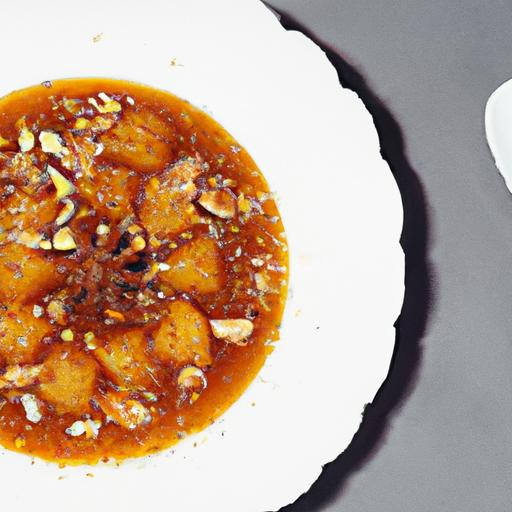

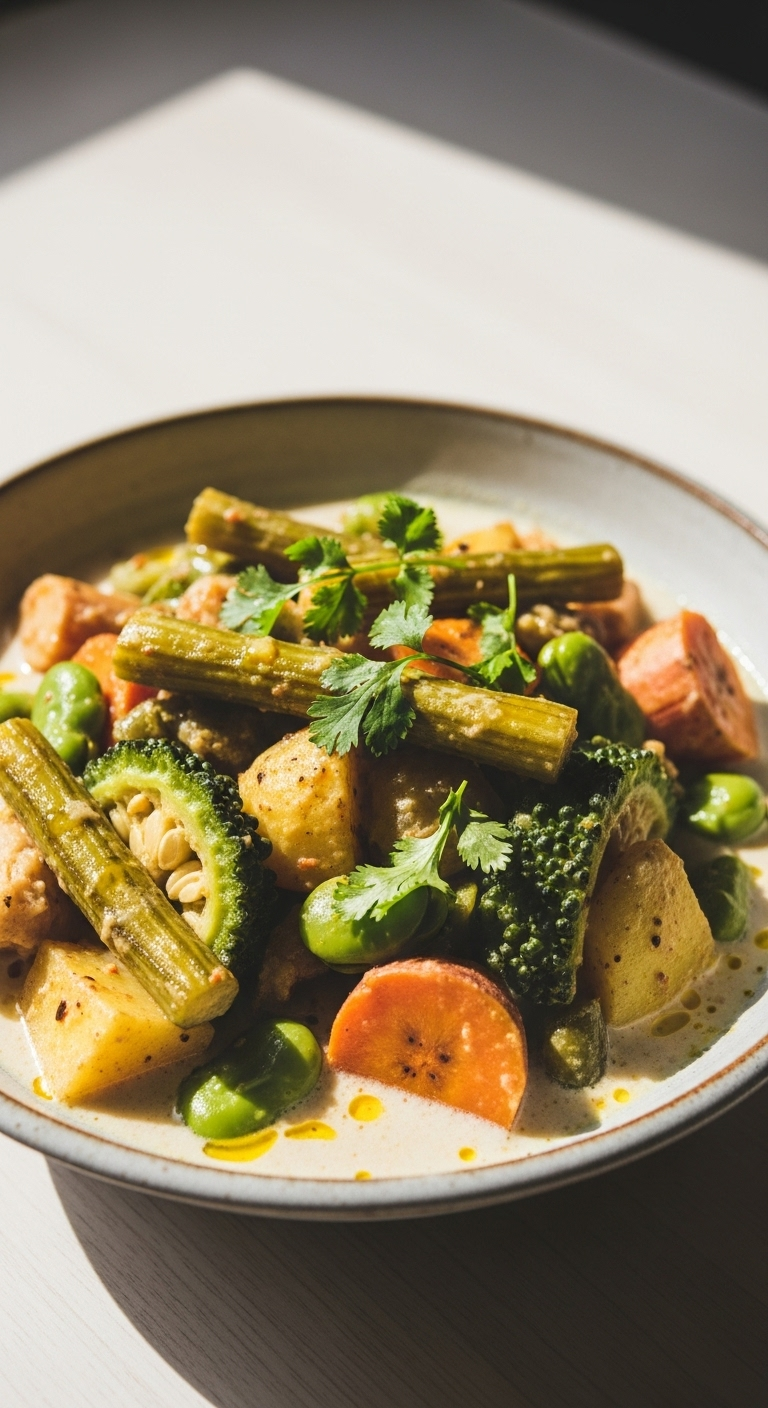
Nestled within the vibrant tapestry of Bengali cuisine lies a dish that is both humble and heroic-Shukto. Often enjoyed as the opening act to a traditional Bengali meal, this bittersweet medley of vegetables and subtle spices carries with it tales of culture, history, and culinary artistry. More than just a simple preparation, shukto is a sensory journey that awakens the palate with its delicate balance of flavors-melding the gentle bitterness of tendli and bitter gourd with the soothing creaminess of mustard-infused gravy. In this article, we unravel the story behind Shukto, exploring its origins, ingredients, and its cherished place on Bengali tables, inviting you to experience why this beloved dish continues to enchant generations.
Shukto is a quintessential dish in Bengali cuisine, embodying a delightful interplay of bittersweet, creamy, and spicy notes that celebrate balance and heritage. This iconic medley of vegetables simmered in a slightly bitter mustard-milk broth has been cherished in Bengal for centuries, frequently gracing festive tables and family meals alike. The unique flavor profile of Shukto reflects Bengal’s culinary beliefs – harmonizing diverse tastes to evoke comfort and nostalgia in every spoonful.
Prep and Cook Time
- Preparation Time: 20 minutes
- Cooking time: 35 minutes
- Total Time: 55 minutes
Yield
Serves 4-6 generously as a side dish.
Difficulty Level
Medium – requires attention to achieving the perfect balance of bitterness and creaminess.
ingredients
- 1 cup bitter gourd (karela), sliced thinly
- 1/2 cup eggplant (brinjal), diced
- 1/2 cup raw banana, peeled and cubed
- 1/4 cup green chickpeas (fresh or frozen)
- 1 small potato, peeled and cubed
- 1 tablespoon mustard oil
- 1/2 teaspoon cumin seeds
- 1 teaspoon mustard seeds
- 1 teaspoon fenugreek seeds
- 1 teaspoon nigella seeds (kalonji)
- 1/2 teaspoon turmeric powder
- 3-4 dry red chilies
- 1 tablespoon white poppy seeds (posto), soaked and ground to a paste
- 1 tablespoon grated fresh ginger
- 2 cups whole milk or fresh coconut milk
- 2 tablespoons plain yogurt (curd), whisked
- Salt to taste
- 1 teaspoon sugar (optional, for subtle sweetness)
- Fresh coriander leaves, for garnish
Instructions
- prepare the vegetables: Rinse and slice the bitter gourd thinly, sprinkling salt and setting aside for 10 minutes to reduce bitterness. rinse again and drain. Cube the eggplant, raw banana, and potato uniformly.
- Temper spices: Heat mustard oil in a deep pan until it smokes gently, to remove rawness. Lower the heat, add cumin seeds, mustard seeds, fenugreek seeds, nigella seeds, and dry red chilies. Sauté until aromatic, about 1 minute.
- sauté vegetables: Add the prepared vegetables and turmeric powder, gently tossing to coat with the tempered spices. Cook on medium heat for 5 minutes.
- Add milk and poppy seed paste: Pour in the milk and add the white poppy seed paste along with the grated ginger. Stir continuously to avoid curdling, and bring the mixture to a gentle simmer.
- Simmer: cover partially and simmer on low heat for 20-25 minutes until vegetables are tender but not mushy, stirring occasionally to maintain an even texture.
- Finish with yogurt and seasoning: Lower the heat and slowly whisk in the curd to add a creamy tartness. Season with salt and a teaspoon of sugar to balance the bitterness. Cook for another 5 minutes without boiling to meld flavors.
- Garnish and serve: Remove from heat and let it rest for 5 minutes.Garnish with freshly chopped coriander leaves before serving.
Tips for Success
- Mustard oil’s smoky intensity is key – heat it until just smoking before tempering spices for authentic flavor.
- Soaking the poppy seeds softens them for a smooth paste that lends richness without grit.
- Consistent slicing ensures even cooking; thinly slicing bitter gourd eases the bitterness and texture.
- curtail bitterness: Salt and rinse bitter gourd slices before cooking, or blanch in hot water if preferred.
- Substitutions: Use coconut milk instead of dairy for a vegan version – opt for unsweetened, fresh if possible.
- Make-ahead tip: Shukto tastes even better after resting overnight, allowing flavors to harmonize wholly.
Serving Suggestions
Traditionally served as a starter or side in a Bengali spread, Shukto complements steaming bowls of fragrant basmati rice and lentil dal. Garnish with freshly chopped coriander or a sprinkle of roasted poppy seeds for added texture. Pair it with rich, buttery fish curries or crispy vegetable pakoras to contrast its mild bitterness and creamy body. For an elegant presentation, serve Shukto in earthen bowls, garnished with a sliver of fresh ginger and a few mustard seeds tempered in mustard oil.

| nutrient | Amount (per serving) |
|---|---|
| Calories | 150 kcal |
| Protein | 5 g |
| Carbohydrates | 18 g |
| Fat | 7 g |
For more insight into the rich tapestry of Bengali flavors, dive into our Bengali cuisine overview to deepen your thankfulness of regional tastes and culinary traditions.
Q&A
Q&A: Shukto Unveiled – Exploring Bengal’s Beloved Bittersweet Delight
Q1: What is shukto, and why is it so cherished in Bengal?
A1: Shukto is a traditional Bengali dish known for its unique bittersweet flavor profile. It’s a medley of vegetables cooked in a delicate mustard-infused gravy, often finished with a hint of sweetness from jaggery or milk. Beyond its complex taste, Shukto holds a special place in Bengali hearts as a culinary rite of passage, typically served at the beginning of festive meals to awaken the palate and prepare it for the feast ahead.
Q2: What ingredients make Shukto stand out from othre vegetable dishes?
A2: What truly sets Shukto apart is its harmonious blend of bitter vegetables like bitter gourd (karela) with creamy potatoes, drumsticks, white pumpkin, and sometiems plantains. The bitterness is carefully balanced with mustard paste,green chilies,and a touch of sweetness,creating a flavor symphony that teases and delights the taste buds together. Its mustard and milk-based sauce is a signature element that offers a smooth, velvety texture, making it both comforting and intriguing.Q3: How does Shukto reflect Bengali culture and tradition?
A3: Shukto is more than just a dish-it’s a cultural emblem that embodies the Bengali philosophy of embracing complexity and contrast in life and cuisine. Served during auspicious occasions and family gatherings, it symbolizes purity, balance, and renewal. This bittersweet starter not only stimulates the appetite but also mirrors the Bengali aesthetic of layering flavors and emotions, blending bitterness and sweetness much like life’s own interplay of joy and sorrow.
Q4: Can Shukto be easily made at home? What tips should one keep in mind?
A4: Absolutely! While Shukto may seem elaborate, it’s quite approachable with a little patience. The key is in sourcing fresh, bitter vegetables and preparing the mustard paste correctly to avoid overpowering harshness. Low and slow cooking allows the flavors to meld beautifully without bitterness becoming too sharp. Remember to temper the mustard seed paste gently and add milk or cream towards the end for that signature silky finish. Balancing the jaggery or sugar ensures the dish remains delightfully bittersweet rather than simply bitter.
Q5: Are there regional or modern twists to Shukto?
A5: Yes! While the classic recipe remains revered, chefs and home cooks continue to experiment with Shukto’s canvas. Some incorporate seafood or add coconut milk for tropical richness.Others may swap jaggery for honey or tweak the spice levels to suit contemporary palates. Yet, the soul of Shukto-the bittersweet dance of flavors-always stays intact, allowing this humble dish to evolve while honoring its roots.
Q6: Why should food lovers outside Bengal try Shukto?
A6: For adventurous food lovers, Shukto offers an invitation to experience a flavor profile seldom spotlighted in global cuisines-the subtle art of balancing bitterness and sweetness. It challenges the conventional taste comfort zone and rewards the diner with a nuanced, layered experience that refreshes the palate and tells a story of Bengali heritage.It’s a delicious lesson in how food can reflect a culture’s values, history, and love for complexity-all in one comforting bowl.
The Way Forward
As we close this flavorful journey through the layers of Shukto, we uncover not just a dish, but a culinary narrative steeped in Bengal’s rich heritage. This bittersweet medley, with its harmonious dance of bitterness and subtle sweetness, invites us to appreciate the art of balance-both on the palate and in tradition. Whether savored during a festive meal or discovered anew through your own kitchen experiments, Shukto stands as a testament to Bengal’s vibrant cuisine: unassuming yet profound, simple yet deeply satisfying. So next time you seek a taste that tells a story, let shukto be your guide-a humble dish that continues to captivate hearts with every spoonful.