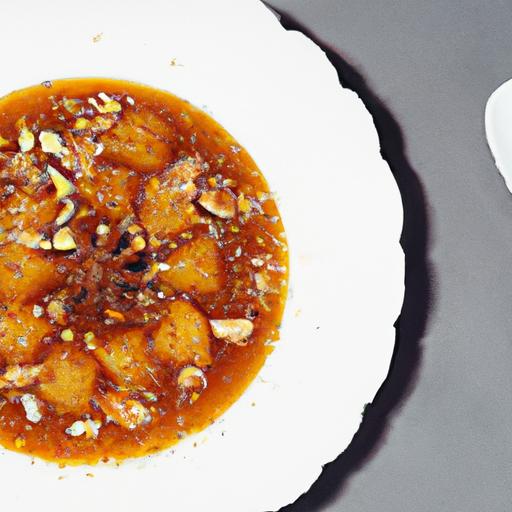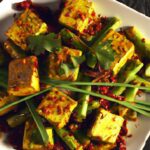

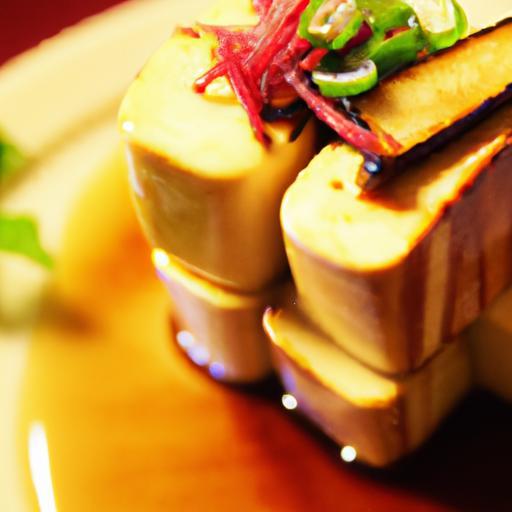
There’s a quite magic in the simple act of grilling tofu-transforming humble soy into something savory, smoky, and soul-satisfying. At the heart of this alchemy lies miso dengaku, a timeless Japanese delicacy were silky tofu meets the rich, umami-packed embrace of miso glaze. More than just a dish, miso dengaku is a festivity of balance: the interplay of sweet, salty, and savory flavors caramelized to perfection over a glowing flame.In this article, we’ll explore the art behind crafting this iconic dish, uncovering the traditions, techniques, and tastes that make miso dengaku a beloved treasure on tables across Japan and beyond. Prepare to savor the story-and the flavor-of grilled miso-glazed tofu like never before.
Savoring Miso Dengaku is a culinary journey into the soulful world of Japanese grilling traditions. This deceptively simple yet deeply flavorful dish highlights the historic marriage of miso paste and tofu, connecting centuries-old craft with modern home kitchens. Originating from the Edo period, miso dengaku was originally prepared as an offering in temples before becoming a beloved street food. The combination of the earthy, umami-rich miso glaze atop smoky, charred tofu creates a sensory experience both comforting and invigorating. For me, the enchantment of this dish lies not only in its flavor harmony but in the artful layering of textures-creamy interior tofu with a savory, caramelized crust-that invites reverence at every bite.
Prep and Cook Time
- Preparation: 15 minutes
- Cooking: 20 minutes
- Total Time: 35 minutes
yield
Serves 4 as an appetizer or side dish
Difficulty Level
Medium - requires some grilling finesse but approachable for adventurous cooks
Ingredients
- 400g firm tofu, pressed and cut into 1-inch thick rectangles
- 3 tbsp white miso paste (shiro miso for a milder profile)
- 1 tbsp red miso paste (aka miso, adds depth)
- 2 tbsp mirin, Japanese sweet rice wine
- 1 tbsp sake
- 1 tbsp brown sugar, packed
- 1 tsp sesame oil
- 1 tsp soy sauce
- 1 tbsp toasted sesame seeds (for garnish)
- 2 scallions, finely sliced for garnish
- Vegetable oil for brushing the grill
Instructions
- Prepare the tofu: Begin by carefully pressing the tofu to remove excess water for at least 15 minutes. This step ensures a firmer texture perfect for grilling. Slice into 1-inch thick rectangles, about 8 pieces. Dry them gently with paper towels.
- make the miso glaze: In a small bowl, combine white miso paste, red miso paste, mirin, sake, brown sugar, sesame oil, and soy sauce. Whisk until the mixture turns smooth, glossy, and well blended. Adjust sweetness or saltiness to preference by adding more sugar or soy sauce.
- Prepare the grill: Preheat your grill to medium-high heat. Brush the grates generously with vegetable oil to prevent sticking. If using a grill pan indoors, heat it well and oil likewise.
- Grill the tofu: Place tofu pieces carefully on the hot grill. Grill each side for 3-4 minutes until golden grill marks appear and the tofu firms up. Flip gently to avoid breakage.
- Apply the miso glaze: Using a brush or spoon, spread a generous layer of the miso glaze over the top surface of each tofu piece. grill for an additional 2 minutes, watching closely to avoid burning, until the glaze bubbles and caramelizes beautifully.
- Finish and serve: Remove tofu from the grill and place on a serving plate. Promptly sprinkle with toasted sesame seeds and sliced scallions for a vibrant contrast and fresh crunch.
Chef’s Notes
- choosing the perfect tofu: For authentic grilled miso dengaku, opt for firm or extra-firm tofu. Silken tofu is too delicate and will crumble. pressing tofu removes moisture for superior grilling texture.
- Flavor balancing: Miso paste varies from salty to sweet; tasting and tweaking the glaze with mirin and sugar achieves a perfect harmony of savory and sweetness that sings on the grill.
- make-ahead tip: Prepare the miso glaze up to 2 days ahead and refrigerate in an airtight container. Warm gently before using to restore spreadability.
- Grilling alternatives: If a grill is unavailable, broil the tofu on a baking sheet lined with foil for a similar char effect.
- Common challenge: Avoid over-brushing the glaze early-apply closer to finishing to prevent burning the sugar in the miso.
Serving Suggestions
Present these glossy, amber-glazed tofu pieces on a rustic wooden board or a sleek ceramic plate. Pair with steamed jasmine rice and a crisp cucumber salad dressed lightly in rice vinegar to balance the sweet-savory richness. A side of pickled ginger or shiso leaves adds refreshing notes. For added visual appeal, drizzle a subtle line of unagi sauce or sprinkle crushed nori flakes. Miso dengaku shines beautifully as part of a larger Japanese-inspired meal, inviting communal sharing and savoring.
| Nutrition per serving | Amount |
|---|---|
| Calories | 180 kcal |
| Protein | 15 g |
| Carbohydrates | 12 g |
| Fat | 7 g |

Explore more japanese grilled delights in our extensive guide to grilling Japanese favorites. For an authoritative dive into miso’s cultural heritage, visit the Japanese Ministry of Agriculture, forestry and fisheries.
Q&A
Q&A: savoring Miso Dengaku - The Art of Grilled Miso-Glazed Tofu
Q1: What exactly is miso dengaku?
A: Miso dengaku is a traditional Japanese delicacy featuring tofu-or sometimes vegetables like eggplant or konnyaku-silky-soft and grilled to perfection, then brushed generously with a luscious miso glaze. The result is a harmonious dance between smoky char and umami-rich sweetness, a true celebration of simple ingredients elevated by thoughtful craft.
Q2: Where did miso dengaku originate?
A: This humble yet elegant dish traces its roots to Japan’s Edo period (1603-1868), where dengaku was often enjoyed at street stalls and temple fairs. It was originally named after dengaku,a form of Noh theater,likening the skewered tofu’s upright presentation to actors performing on stage. over time, miso dengaku became a beloved staple, symbolizing the beauty in rustic, home-style cooking.
Q3: What makes miso dengaku’s flavor profile unique?
A: The magic lies in the glaze-a blend of miso paste, mirin, sake, sugar, and sometimes a touch of dashi stock. This umami-packed glaze marries sweet, salty, and savory notes, caramelizing beautifully when grilled. The charcoal or stovetop grill imparts subtle smokiness,complementing the tofu’s delicate creaminess and giving each bite layers of depth and warmth.
Q4: Is tofu the only ingredient used in dengaku?
A: While tofu is the star ingredient most commonly associated with dengaku, variations abound. Eggplant, konnyaku (a jelly-like yam cake), shiitake mushrooms, and even daikon radish can be shaped, grilled, and glazed in the same manner. each variant offers a unique texture and flavor, inviting exploration beyond the classic tofu rendition.
Q5: How can a home cook master authentic miso dengaku?
A: The secret is starting with firm tofu, pressed gently to remove excess moisture, ensuring it browns beautifully rather than steams. Grill or pan-sear the tofu until golden and slightly charred, then slather it with a rich miso glaze made from blending miso paste, mirin, sugar, and sake. Give the glaze a swift broil or grill to caramelize, and finish with a sprinkle of toasted sesame seeds or finely sliced green onions for freshness and crunch.
Q6: Are there health benefits to enjoying miso dengaku?
A: Absolutely! Tofu is a great plant-based protein, rich in calcium and iron while being low in calories.Miso provides probiotics that support gut health, and the moderate use of natural sweeteners keeps the dish balanced. It’s a nourishing treat that delights the palate without heaviness-a perfect example of wholesome indulgence.
Q7: How is miso dengaku typically served?
A: Traditionally, chunks of grilled tofu are served on skewers or in bite-sized cubes, making it a popular street food and appetizer. It can also accompany a bowl of steamed rice or a dashi-based soup, harmonizing as part of a larger Japanese meal. Its versatility invites pairing with sake or green tea, enhancing the sensory experience.
Q8: can miso dengaku be adapted for non-traditional diets?
A: Definitely! Since the classic recipe is naturally vegetarian and often vegan (if you avoid bonito-based dashi), it suits many dietary preferences. Gluten-free miso pastes allow adaptation for gluten sensitivities,and experimenting with alternatives like tempeh or seitan can add variety for adventurous cooks.
Q9: What’s the cultural significance of miso dengaku today?
A: Beyond its taste, miso dengaku embodies the Japanese ideology of “wabi-sabi” - finding beauty in simplicity and imperfection. Its rustic origins remind us of humble pleasures, ancient traditions, and the joy found in slow, attentive cooking.today, chefs and home cooks alike cherish dengaku for its elegant balance of flavor, texture, and spirit.
Q10: Why should food lovers try making miso dengaku at home?
A: Because it’s a sensory journey rolled into one vibrant dish-a smoky, sweet, savory melody with a silky heart. It’s accessible yet elegant, requiring modest ingredients yet delivering an extraordinary gustatory experience. Making miso dengaku invites you to connect with Japanese culinary heritage, savor mindful craftsmanship, and most importantly, delight in every bite.
Key Takeaways
As the smoky aroma of miso-dengaku lingers in the air, it becomes clear that this humble dish is much more than just grilled tofu-it is a celebration of balance, tradition, and flavor. Each bite offers a harmonious blend of umami-rich miso glaze and the tender, charred tofu beneath, inviting you to savor a piece of Japan’s culinary artistry. Whether enjoyed as a simple snack or an elegant appetizer, miso-dengaku reminds us that cooking is an art form rooted in patience and respect for ingredients. So next time you fire up the grill, let miso-dengaku inspire you to explore the depths of flavor hidden within the simplest of foods.