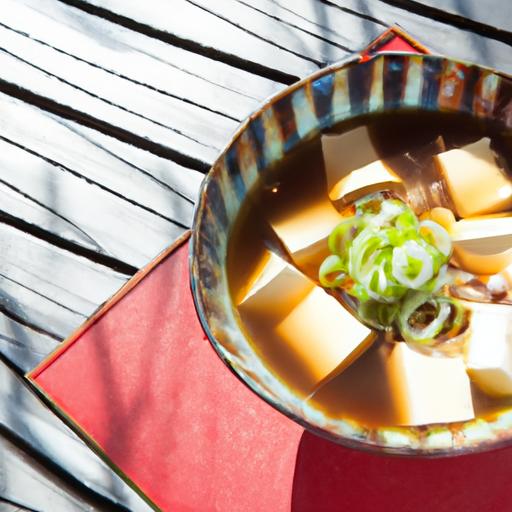

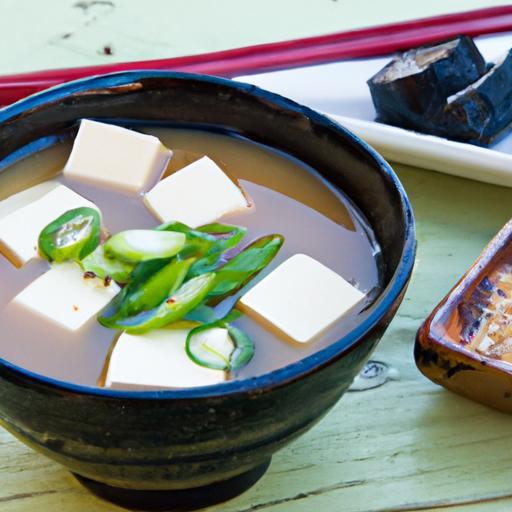
There’s a quiet magic in a bowl of miso soup-a humble elixir that warms the soul and stirs the senses. At the heart of this beloved Japanese staple lies an artistry that balances simplicity with depth,tradition with innovation. when silken tofu drifts gently within the savory amber broth, it transforms each spoonful into a silky embrace, unlocking a new level of comfort and nourishment. In this exploration of miso soup, we delve into the delicate craft behind its creation, revealing how the soft texture of silken tofu and the umami-rich miso paste come together to create a dish that is as soothing as it is soulful. Journey with us as we unlock the secrets to mastering this timeless comfort food-one silky spoonful at a time.
Unlocking Comfort: The Art of miso Soup with Silky Tofu
Unlocking comfort through the art of miso soup with silky tofu is a journey into balance, warmth, and soulful depth. This deceptively simple dish, rooted in Japanese tradition, invites you to embrace the subtle magic of umami-the savory fifth taste that harmonizes every ingredient.From selecting the perfect tofu to crafting a broth that sings with richness, each step is a dance of texture and flavor that transforms humble ingredients into a deeply satisfying comfort food.
Prep and Cook Time
Planning: 10 minutes
Cooking: 15 minutes
Total: 25 minutes
Yield
Serves 4 generous bowls
Difficulty Level
Easy to Medium – Great for both beginners and seasoned home cooks
Ingredients
- 4 cups dashi stock (homemade or quality store-bought)
- 3 tablespoons white miso paste (shiro miso), smooth and light
- 200 grams silky tofu (soft tofu), cut into 1-inch cubes
- 1/2 cup chopped green onions (scallions)
- 1 tablespoon wakame seaweed, dried (rehydrated in water)
- 1 teaspoon soy sauce, for enhanced umami depth (optional)
- A pinch of toasted sesame seeds (for garnish)
Instructions
- Prepare the dashi broth: In a medium pot, warm the dashi over medium heat until it just begins to simmer.
- Add wakame: Gently add the rehydrated wakame to the broth and let it soften for 1-2 minutes.
- Incorporate tofu: Slowly lower the cubed silky tofu into the simmering broth. Stir very gently to avoid breaking the delicate tofu.
- Dissolve the miso: Place the miso paste in a small bowl. Ladle about a cup of hot broth into the bowl and whisk until smooth. Gradually pour this mixture back into the pot, stirring softly. avoid boiling the soup after adding miso to preserve its nuanced flavors and beneficial probiotics.
- Enhance the umami: Add a splash of soy sauce if you desire a deeper savory note.Adjust heat to low to keep the soup warm without boiling.
- Final touches: Sprinkle chopped green onions on top and stir gently once more.
- Serve instantly: Ladle into warmly prepped bowls. Garnish with a pinch of toasted sesame seeds for a subtle nutty crunch.
Tips for Success
- Choose quality silken tofu: Look for tofu labeled “silky” or “soft.” Its delicate, custard-like texture provides the creamy mouthfeel that elevates miso soup to new heights.
- Use fresh miso paste: Always store miso paste refrigerated and use within a few weeks for optimal flavor. White miso is sweeter and less intense,perfect for a gentle soup base.
- Beware of boiling: Miso’s subtle umami compounds deteriorate when boiled. Always add miso paste off the heat or at the lowest possible temperature.
- Make ahead: Prepare the dashi broth in advance and refrigerate for up to 3 days. Assemble soup just before serving to keep tofu fresh.
- Variations: Experiment with red miso for a bolder flavor, or add thinly sliced mushrooms for earthiness and texture.
Serving Suggestions
Present your comforting miso soup in rustic ceramic bowls that invite warmth and hominess. Pair with a side of steamed white rice and pickled vegetables for a traditional meal. For a modern twist, sprinkle tiny shichimi togarashi flakes to add a subtle spicy kick. A drizzle of toasted sesame oil just before serving can deepen aroma and richness, tantalizing the senses with every spoonful.

| Nutrient | Per Serving |
|---|---|
| Calories | 90 |
| Protein | 7g |
| Carbohydrates | 5g |
| Fat | 3g |
For readers interested in exploring the science of umami further, this New York Times guide on umami offers fascinating insights into the savory taste that drives comfort in cooking.
Looking to expand your comfort food repertoire? Learn how to create a perfectly balanced Japanese dashi broth that serves as the foundation for countless recipes.
Q&A
Q&A: unlocking Comfort – The Art of Miso Soup with Silky Tofu
Q1: What makes miso soup a timeless comfort food?
A1: Miso soup is more than just a warm dish; it’s a culinary embrace steeped in centuries of Japanese tradition.Its delicate balance of umami-rich miso paste and simple, wholesome ingredients creates a soothing harmony that comforts both body and soul. Each spoonful nourishes with subtle complexity, making it a go-to meal for tranquility and well-being.
Q2: Why is silky tofu the perfect addition to miso soup?
A2: Silky tofu, also known as soft or kinugoshi tofu, brings an ethereal creaminess to miso soup that gently melts in your mouth. Its smooth texture contrasts beautifully with the broth’s savory depth, elevating the experience from ordinary to exquisite. Beyond texture, silky tofu enriches the soup with plant-based protein, making it both comforting and nourishing.
Q3: How do you ensure the tofu remains intact and silky when making miso soup?
A3: Handling silky tofu requires a gentle touch-treat it like a delicate whisper in a bustling kitchen. Use a slotted spoon or cut it into chunks before adding it carefully to the warming broth. Avoid boiling the soup vigorously after adding miso paste or tofu, as harsh bubbles can break the tofu apart and dull the soup’s elegance.
Q4: What type of miso paste works best for a silky tofu miso soup?
A4: The choice of miso paste is like selecting the perfect brush for a painting. White (shiro) miso offers a mild, slightly sweet flavor that complements the tofu’s subtlety, while red (aka) miso provides a deeper, earthier punch. For an ideal silky tofu miso soup, many prefer white miso to keep the palate light and soothing, allowing the tofu’s silkiness to shine.
Q5: Can you customize miso soup to enhance its comforting qualities?
A5: Absolutely! Miso soup is a versatile canvas inviting creativity. Add thinly sliced green onions for freshness, wakame seaweed for marine mystery, or a hint of ginger for warmth. Some enjoy a sprinkle of toasted sesame seeds or a drizzle of chili oil for complexity. Yet, the secret to true comfort lies in balance-small tweaks that sing without overshadowing the gentle soul of the soup.
Q6: How does making miso soup with silky tofu connect us to Japanese culture?
A6: Crafting miso soup is an act of mindfulness and respect for nature’s gifts, reflecting the Japanese philosophy of “ichi-go ichi-e” – treasure every encounter. By simmering broth, stirring in miso gently, and folding in tofu delicately, we honor age-old customs that celebrate simplicity, harmony, and nourishment. Savoring this soup invites us to pause, appreciate, and connect deeply-with our food and heritage alike.
Q7: What tips would you give to someone new to making miso soup with silky tofu?
A7: Start with quality ingredients: fresh dashi or vegetable broth, authentic miso paste, and fresh silky tofu. Keep the heat low once miso is added to preserve its delicate flavors. Be patient-let the soup warm gently and savor the ritual of stirring in each component. Remember, the art of miso soup is as much about care and intention as it is indeed about ingredients. With practice, you’ll unlock your own version of comfort in every bowl.
The Way Forward
As the delicate warmth of miso broth mingles with the gentle silkiness of tofu,we discover more than just a bowl of soup-we unlock a comforting ritual steeped in tradition and mindful savoring.Whether enjoyed on a chilly evening or as a soothing start to your day, miso soup with silky tofu invites you to slow down and embrace simplicity through flavor and texture. By mastering this art, you don’t just nourish the body; you cultivate a quiet moment of peace, proving that sometimes, the most profound comfort comes in the humblest of bowls.